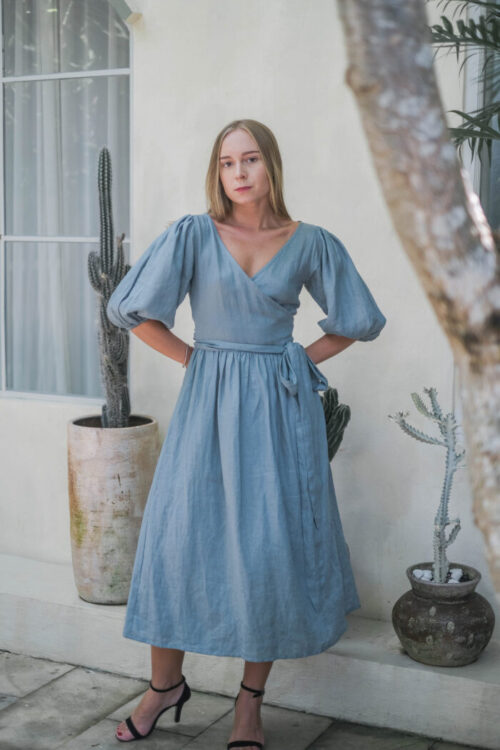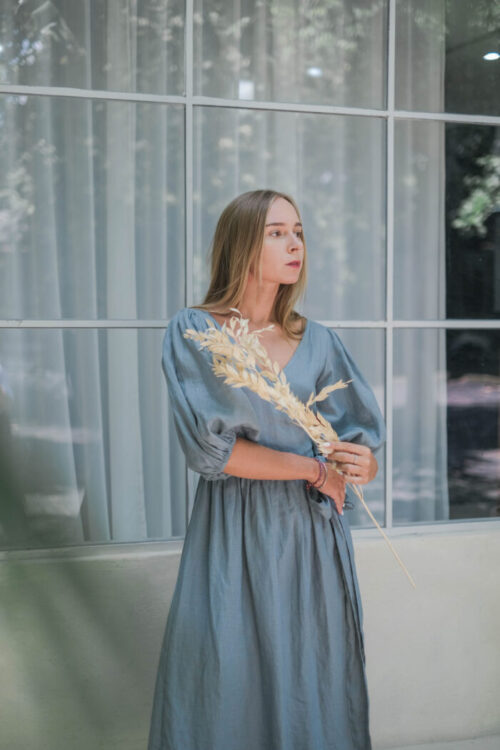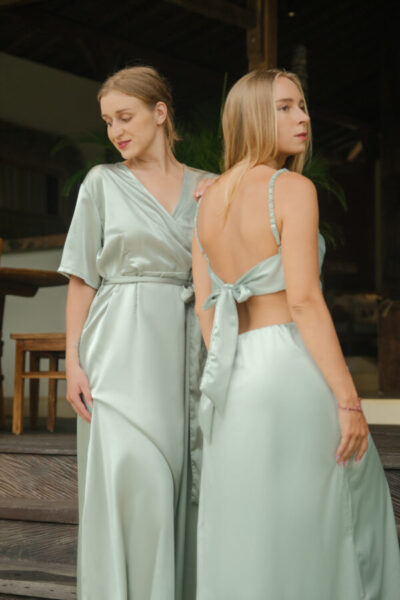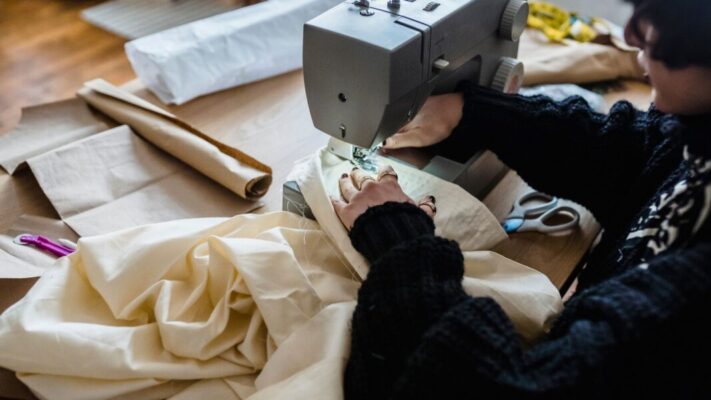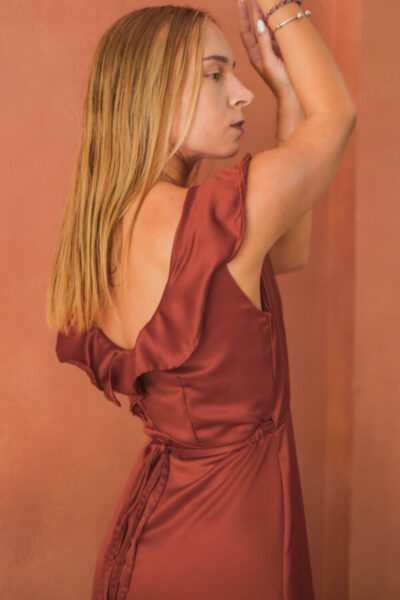
Satin is a fabric recognized for its smooth, shiny surface and soft texture, produced using a special weaving technique known as the satin weave. In this weave, yarns float over several threads, which creates a glossy front surface and a dull back. Because of its elegant appearance and fluid drape, satin is widely used in fashion and decorative textiles.
History of Satin Fabric
Satin fabric originated in ancient China over 2,000 years ago, where it was first woven from silk and used mainly by royalty and wealthy people. The name “satin” comes from Zaitun, an old Chinese port city that was an important center of silk trade along the Silk Road. It may also be linked to the Latin word saeta (meaning “horsehair”), referring to the sheen. During the Middle Ages, satin was introduced to Europe, where it became a symbol of luxury and high social status. For many centuries, satin remained expensive due to its silk content.
Medieval Chinese Roots: Satin was developed during the Middle Ages in China, where it was exclusively made from silk. It was a closely guarded luxury, with its intricate weaving technique used for imperial garments. Satin spread to Europe by the 12th century, satin production reached Italy. It spread throughout Europe by the 14th century, becoming a favorite for the upper classes and religious vestments. Satin was heavily used in the Palace of Versailles and gained immense popularity in Victorian England as a status symbol of elegance and wealth. While historically made of silk, modern satin is frequently constructed using synthetic fibers like polyester or acetate, as well as rayon. In the 20th century, the invention of synthetic fibers made satin more affordable and accessible, leading to its widespread use today.
Key Characteristics of Satin Fabric
Satin fabric is known for its smooth and glossy surface with a dull or matte backside, offering a soft, silky texture with an elegant drape and fluid flow; it ranges from lightweight to medium weight, reflects light beautifully to create a luxurious appearance, feels cool and comfortable against the skin, can be slightly slippery to handle and wear, and is generally wrinkle-resistant—especially when made from synthetic fibers.
Best Uses of Satin Fabric
Satin is a staple for formal and intimate wear, including evening gowns, blouses, skirts, and dresses, because of its sophisticated, light-catching luster. It is heavily used in bridal fashion for wedding dresses, veils, and accessories. Other apparel applications include lingerie, nightgowns, shirts, neckties, and boxer shorts. The fabric is frequently used for designer heels and ballet slippers. Accessories crafted from satin include handbags, clutches, scarves, hats, and gloves. Due to its soft feel and luxurious look, satin is used for bedding such as pillowcases and sheets. It is also employed for decorative curtains, cushions, and, historically, for upholstered furniture, such as in the Palace of Versailles. Because of its smooth texture, satin is commonly used for lining coats and jackets, allowing them to glide easily over other garments. It is often used in event decor, such as for flower arrangements or backdrop fabrics, to add an elegant, shiny finish.
Variations of Satin Fabric
Satin fabric comes in a wide range of variations to suit different aesthetic and functional needs, including silk satin which is luxurious, soft, and breathable; polyester satin which is more affordable, durable, and easy to care for; charmeuse satin which is lightweight, fluid, and very glossy; duchess satin which is heavier and more structured for formal gowns; crepe-back satin which has a smooth satin face with a textured crepe reverse for better grip and versatility; stretch satin which includes elastane for flexibility and comfort in fitted garments; and antique satin which has a slightly textured, matte-gloss finish that gives a vintage, rich appearance.
Satin Fabric Advantages
Satin offers several advantages that make it highly desirable. Its shiny and elegant appearance enhances the beauty of garments and home decor items. The fabric feels soft and smooth against the skin, providing comfort when worn. Satin drapes well and gives clothing a graceful look. Synthetic satin is durable, wrinkle-resistant, and easy to care for. Additionally, satin bedding helps reduce friction on hair and skin, making it beneficial for personal care.
Unique Features of Satin Fabric
The uniqueness of satin lies in its special weaving technique rather than the fiber used. This weave produces a highly reflective surface that gives satin its signature shine. Satin has a distinct two-sided appearance, with one glossy side and one dull side. Despite its delicate look, satin can be strong and long-lasting. Its ability to adapt to both traditional and modern fashion, while maintaining a luxurious feel, makes satin a timeless and versatile fabric.
Care and Maintenance of Satin Fabric
Satin fabric should be handled gently to maintain its smooth surface and sheen, ideally washed by hand or on a delicate machine cycle using cold water and a mild detergent, without wringing or twisting the fabric to prevent creasing or damage; it should be air-dried or tumble-dried on low heat, ironed on a low setting from the dull (back) side to avoid shine marks, kept away from bleach and harsh chemicals that can weaken fibers or discolor the fabric, and for silk satin in particular, professional dry cleaning is recommended to preserve its luxurious texture and appearance over time.