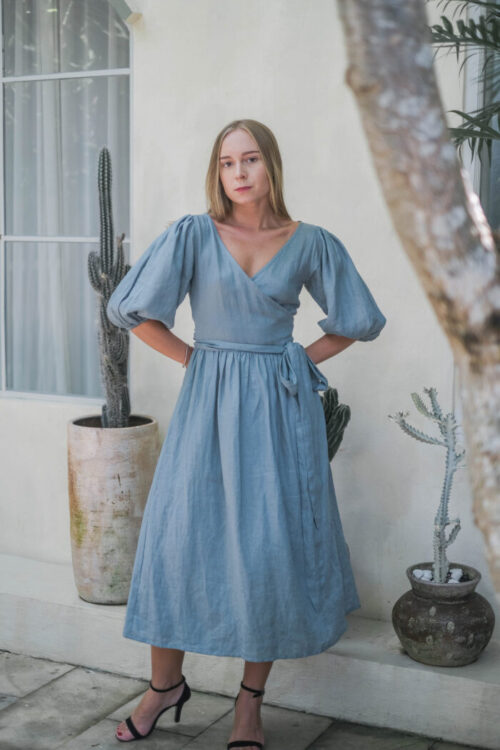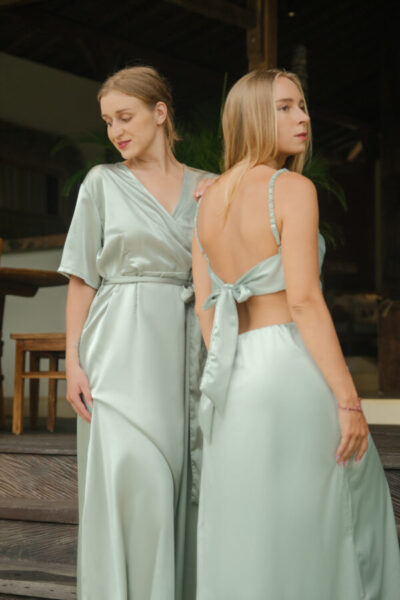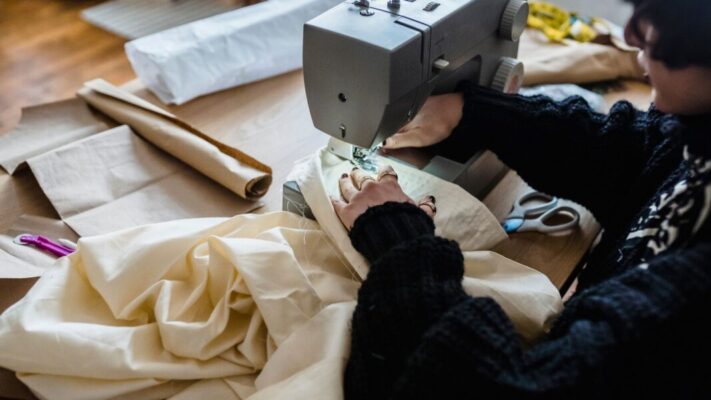
Scuba fabric is a double-knit, medium-to-heavyweight synthetic fabric typically made from polyester and spandex (elastane) blends. Its structure is similar to that of neoprene, but it is thinner, softer, and more flexible. It is prized for its high elasticity, structural, wrinkle-resistant properties, and ability to hold shape, making it ideal for body-hugging apparel, sportswear, and structured dresses.
Scuba fabric is a modern textile that developed as part of the broader evolution of synthetic performance fabrics in the mid-to-late 20th century. Its development parallels the invention of spandex/elastane in 1958 by DuPont, and the rise of polyester and nylon fibers in the 1960s and 1970s.
While it shares similarities with neoprene, which was invented in the 1930s for wetsuits, scuba fabric is softer, thinner, and more flexible, designed for fashion rather than aquatic use. By the 1990s and 2000s, scuba became popular in apparel due to its sculpting properties, especially in bodycon dresses, skirts, jackets, and structured fashion pieces.
Key Characteristics of Scuba Fabric
Scuba fabric is defined by its double knit construction, which provides thickness, structure, and excellent shape retention while still remaining flexible and comfortable to wear. It has a smooth, soft surface with a subtle sheen that creates a polished, modern appearance, and its high elasticity typically achieved through spandex content allows garments to stretch comfortably while recovering their original shape. Scuba is a medium-to-heavyweight fabric, giving designs a more sculpted and structured look compared to lighter knits like jersey. It is also highly resilient and durable, resisting wrinkles, pilling, and stretching out over time, and it is fully opaque, ensuring solid coverage even in lighter colors.
Scuba fabric is widely used in fashion and performance apparel due to its unique combination of stretch, structure, and smooth finish. In clothing, it is popular for bodycon dresses, skirts, jumpsuits, and tailored blazers, where its sculpting properties allow garments to hold a sleek, structured shape while remaining comfortable. It is also commonly used in athleisure and activewear, such as leggings, fitted tops, and jackets, because its elasticity and recovery provide ease of movement and a flattering fit. Beyond everyday fashion, scuba is favored for costumes, stage outfits, and cosplay, as it maintains clean lines and dramatic shapes that enhance performance and presentation. Lightweight coats, peplum tops, and structured outerwear also benefit from scuba’s durability and smooth appearance, while accessories like bags, belts, and headbands take advantage of its firm yet flexible texture. Overall, scuba’s versatility makes it suitable for a wide range of applications where form, comfort, and a polished look are desired.
Scuba fabric offers a range of advantages that make it highly valued in fashion and performance apparel. Its excellent stretch and recovery allow garments to hug the body comfortably while maintaining their shape over time, making it ideal for bodycon dresses, skirts, and tailored pieces. The smooth, slightly shiny surface gives a polished, modern look without the need for ironing, while its medium-to-heavyweight and double-knit construction provide structure and a sculpted silhouette. Scuba is also durable and resilient, resisting pilling, tearing, and stretching out even with regular wear. Despite its thickness, it remains soft and comfortable against the skin, making it suitable for both casual and semi-formal wear. Additionally, scuba is low-maintenance, generally machine washable and quick-drying, and its opaque nature ensures modesty without extra layers. These qualities combine to make scuba a versatile fabric that balances comfort, durability, and style, distinguishing it from other synthetic knits.
Variations of Scuba Fabric
Scuba fabric is available in several variations to suit different design needs, including neoprene-style scuba, which is thicker and slightly firmer and commonly used for structured dresses, skirts, and jackets; lightweight scuba, a thinner version ideal for tops, skirts, and layering pieces; and printed or textured scuba, which features embossed patterns or bold color prints for added visual interest. There is also stretch scuba blend, which incorporates additional elastane for enhanced flexibility and comfort, making it suitable for body-hugging silhouettes that require both structure and ease of movement.
Modern Fashion Trends
Scuba has gained popularity for bodycon dresses, peplum tops, and structured skirts due to its sculpting properties. Frequently used in athleisure and performance-inspired fashion for its stretch and durability. Designers often pair scuba with mesh, lace, or neoprene for layered, textured looks. Its smooth, slightly shiny surface makes it a favorite for minimalist and modern fashion aesthetics.
Unique Features
Scuba is unique because it combines structure with flexibility, offering sculpted silhouettes without restricting movement, a feature that natural fibers cannot achieve without heavy blending or special construction. Its smooth, opaque surface, wrinkle resistance, and stretch recovery make it ideal for fashion-forward, form-fitting garments.