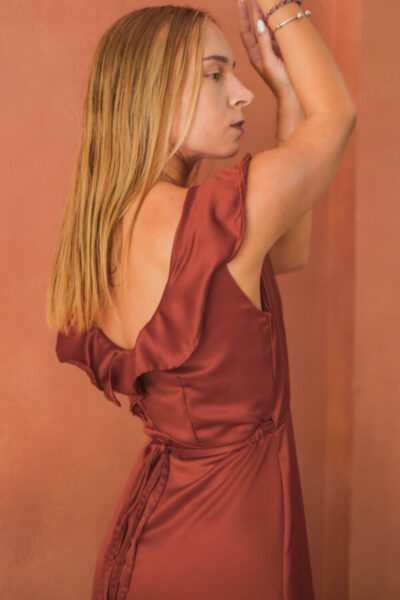
Silk rayon twill is a semi-synthetic fabric made from rayon fibers that are woven using a twill weave structure and finished to resemble the luxurious look and feel of silk. Rayon itself is derived from regenerated cellulose obtained from natural sources such as wood pulp or cotton linters. When this fiber is combined with a twill weave, the resulting fabric gains enhanced strength, flexibility, and a distinctive diagonal pattern on its surface.
Unlike plain silk rayon fabrics, silk rayon twill has a slightly heavier body and better durability due to its weaving technique. The twill structure gives the fabric a smooth surface on one side and a subtle texture on the other, while still maintaining silk-like softness and sheen. This makes silk rayon twill an excellent choice for garments and textiles that require both elegance and structural stability.
The development of silk rayon twill is closely linked to the evolution of rayon as a textile fiber in the late 19th and early 20th centuries. Rayon was originally invented as an affordable alternative to natural silk, and as weaving technologies advanced, manufacturers began experimenting with different weave structures to improve fabric performance. Twill weaving was adopted because it added strength and drape while maintaining visual appeal.
By the mid-20th century, silk rayon twill became popular in fashion and upholstery due to its balance of beauty and practicality. Designers appreciated the fabric’s ability to mimic silk while being more versatile and cost-effective. Over time, improvements in fiber processing and finishing techniques allowed silk rayon twill to achieve better color retention, smoother texture, and increased durability, making it widely used in modern textile applications.
Key Characteristics of Silk Rayon Twill
One of the defining characteristics of silk rayon twill is its diagonal rib pattern, which is a result of the twill weave. This weave structure enhances the fabric’s strength and resistance to wrinkles compared to plain-woven rayon. The fabric drapes gracefully while maintaining a slightly structured form, making it suitable for tailored and flowing garments alike.
Silk rayon twill is soft, smooth, and comfortable against the skin, with a subtle sheen that closely resembles natural silk. It is breathable and absorbent, making it pleasant to wear in warm and moderate climates. However, like other rayon fabrics, it can be sensitive to moisture and may lose strength when wet, requiring careful handling during washing and maintenance.
Uses of Silk Rayon Twill
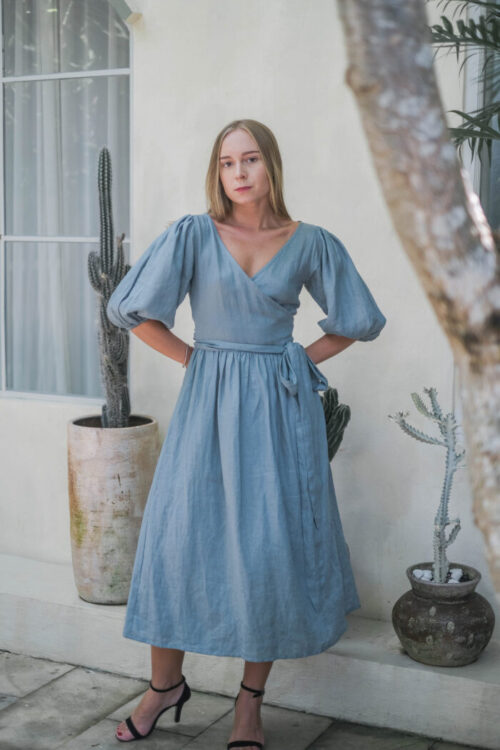
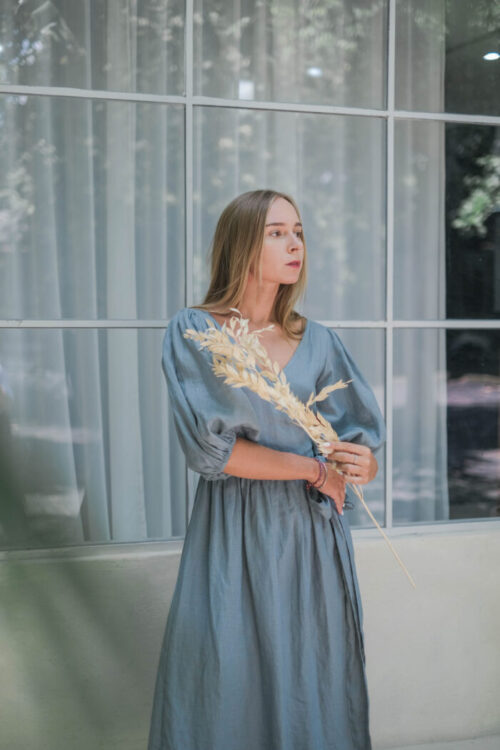
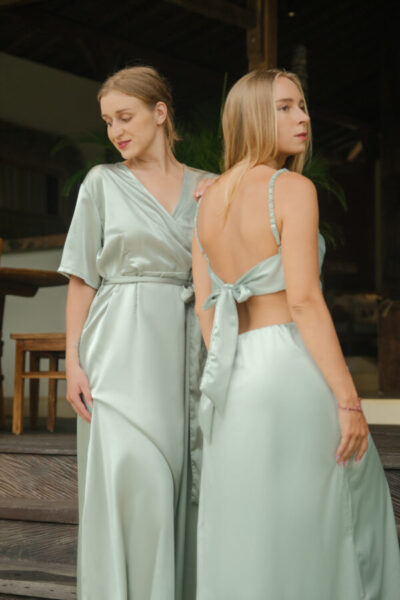
Silk rayon twill is commonly used in the fashion industry for making dresses, skirts, trousers, blouses, shirts, and sarees. Its ability to hold shape while still flowing elegantly makes it ideal for garments that require both movement and structure. Designers often choose silk rayon twill for formal wear, office clothing, and semi-traditional outfits.
In addition to apparel, silk rayon twill is also used in accessories and home textiles such as scarves, stoles, cushion covers, and light upholstery. Its rich texture and excellent dye absorption allow it to be produced in deep colors, intricate prints, and elegant patterns. This versatility makes it a preferred fabric for both fashion and interior décor applications.
Key Variations of Silk Rayon
Silk rayon twill is available in several variations to suit different aesthetic and performance needs, including viscose silk rayon twill, which is soft, smooth, and slightly glossy for elegant garments, and modal rayon twill, known for its improved strength, smoother surface, and better resistance to shrinkage. Lyocell (Tencel) twill is an eco-friendly option that offers excellent durability and moisture resistance with a refined drape. Printed silk rayon twill features digital or traditional patterns for fashion-forward designs, while stretch silk rayon twill blends in elastane to provide added flexibility and comfort for fitted or movement-focused garments.
Advantages of Silk Rayon Twill
One of the main advantages of silk rayon twill is its enhanced durability compared to plain silk rayon fabrics. The twill weave increases tensile strength and makes the fabric more resistant to wear and tear. This allows garments to maintain their shape and appearance for a longer period while still offering a luxurious look.
Another significant advantage is its versatility. Silk rayon twill works well for both casual and formal clothing, as well as decorative textiles. It is more affordable than pure silk and easier to dye, allowing manufacturers to create a wide range of colors and designs. Its comfort, elegance, and practicality make it a valuable fabric in modern textile production.
Unique Features of Silk Rayon Twill
A unique feature of silk rayon twill is its combination of fluid drape and structured body. Unlike lighter silk rayon fabrics, the twill weave provides a slightly firm texture that enhances tailoring while still allowing graceful movement. This balance makes it suitable for a wide range of garment styles.
Another distinctive feature is its refined surface appearance. The diagonal weave pattern adds visual depth and sophistication, while the silk-like finish enhances its aesthetic value. The fabric also responds well to finishing treatments, such as calendaring and softening, which further improve its smoothness and sheen.
Modern Fashion Trends Involving Silk Rayon Twill
In contemporary fashion, silk rayon twill is widely used in smart-casual and luxury-ready-to-wear collections. Designers favor it for wide-leg pants, midi skirts, structured dresses, and coordinated sets. Neutral tones, earthy shades, and minimalist prints are particularly popular, aligning with modern trends focused on elegance and comfort.
Silk rayon twill is also prominent in ethnic and fusion fashion, especially in sarees, kurtis, and dupattas with modern silhouettes. Floral prints, abstract designs, and digital patterns are commonly seen on this fabric. As sustainability gains importance, eco-friendly rayon twill variants such as lyocell twill are increasingly featured in fashion collections.
Care and Maintenance of Silk Rayon Twill
Silk rayon twill should be hand washed separately in cold water using a mild detergent, and soaking should be avoided to prevent fiber damage and color bleeding. Do not wring or twist the fabric; instead, gently press out excess water and dry flat or hang in the shade away from direct sunlight to preserve color and drape. If ironing is needed, use low heat from the reverse side, and for tailored, structured, or embellished garments, professional dry cleaning is recommended to maintain shape and finish.