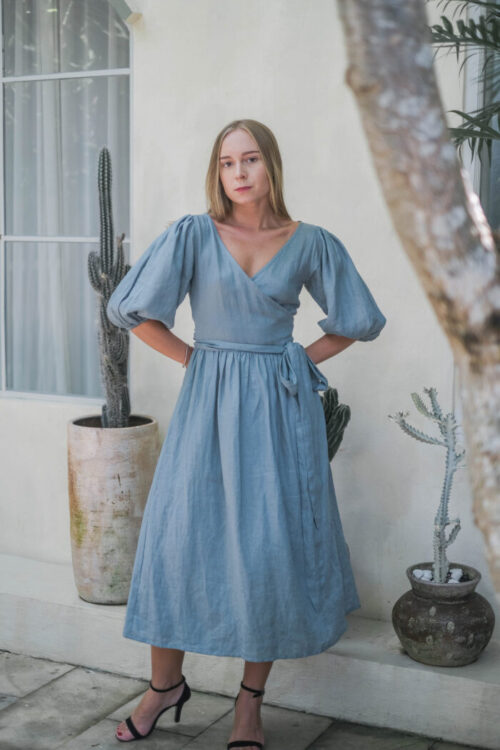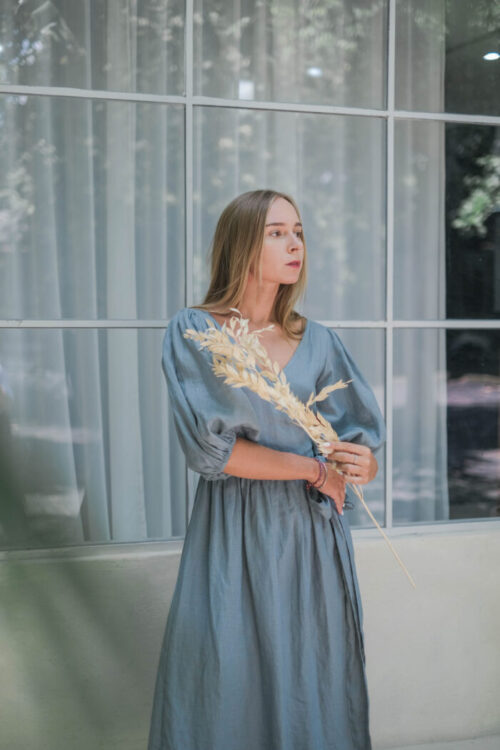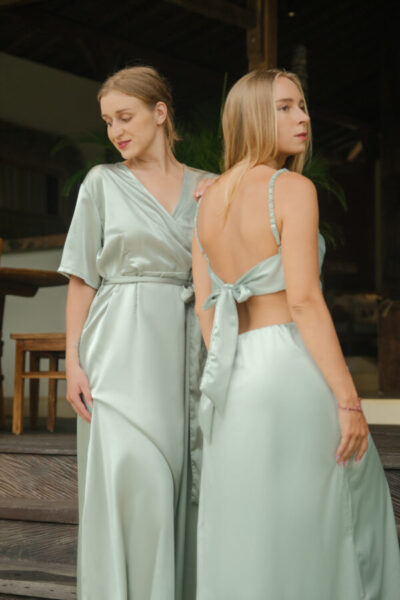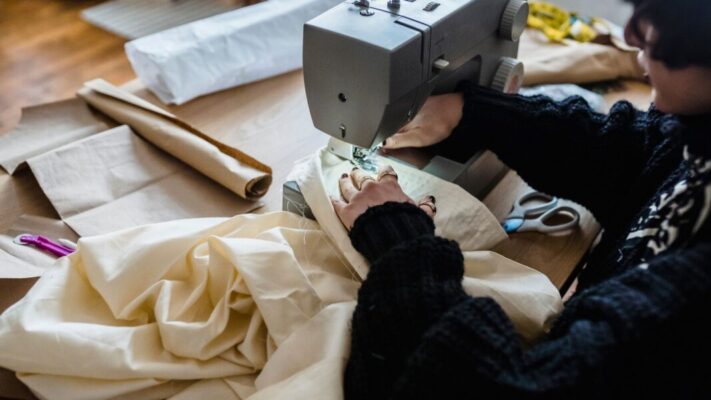
Spund fabric (often referred to as spun-dyed fabric or spun yarn fabric) is a textile made from spun yarns, most commonly polyester, where color is added during the fiber or yarn production stage rather than after the fabric is woven or knitted. Because the color is embedded into the fiber itself, spund fabrics are known for excellent color fastness, durability, and resistance to fading. They are widely used in sportswear, uniforms, casual wear, and technical apparel, combining comfort with long-lasting performance.
The development of spund fabric is closely tied to the evolution of synthetic fibers, especially polyester, in the mid-20th century. As textile manufacturers sought alternatives to natural fibers like cotton, they developed spinning techniques that could transform synthetic polymers into staple fibers, which were then spun into yarns similar to cotton. The introduction of spun-dyeing technology further enhanced these fabrics by adding pigment during fiber production, reducing the need for traditional dyeing processes. This innovation gained popularity from the late 20th century onward, especially in industrial, athletic, and workwear sectors, where durability, color consistency, and cost efficiency were essential. Today, spund fabrics are widely used in mass production garments and sustainable textile initiatives, as spun-dyeing reduces water and chemical usage.
Key Characteristics of Spun Fabric
Spun fabric is made from spun yarns, most commonly polyester, and is known for its soft, matte, cotton-like hand feel that makes it comfortable for everyday wear. Compared to filament synthetics, it has better breathability and a less shiny appearance, giving it a more natural look. Spun fabric is highly durable and strong, with excellent color fastness and resistance to fading over time. It is also wrinkle-resistant and maintains its shape well, and when properly constructed, it resists pilling, making it a practical and long-lasting choice for apparel and textile applications.
Uses of Spund Fabric
Spund fabric is widely used across everyday apparel and functional garments because it offers a well-balanced combination of comfort, durability, and easy care. In clothing, it is commonly found in sportswear, t-shirts, polo shirts, tracksuits, and activewear, where breathability and resistance to wear are essential for regular use. The fabric’s ability to retain its shape and color makes it particularly suitable for garments that are worn and washed frequently.
Beyond casual and athletic apparel, spund fabric is widely utilized in school uniforms, corporate uniforms, and workwear, as it maintains a neat appearance and consistent performance over time. It is also used in casual outerwear, jackets, and lightweight protective layers, where a natural, fabric-like look is desired alongside the functional advantages of synthetic fibers. In some applications, spund fabric extends into home textiles and accessories that require durability, long-lasting color, and low maintenance. This versatility allows spund fabric to serve both fashion-driven designs and practical, performance-oriented uses, making it a reliable choice across a wide range of textile applications.
Uses of Spund Fabric
Spund fabric is widely used across everyday apparel and functional garments because it offers a well-balanced combination of comfort, durability, and easy care. In clothing, it is commonly found in sportswear, t-shirts, polo shirts, tracksuits, and activewear, where breathability and resistance to wear are essential for regular use. The fabric’s ability to retain its shape and color makes it particularly suitable for garments that are worn and washed frequently.
Beyond casual and athletic apparel, spund fabric is widely utilized in school uniforms, corporate uniforms, and workwear, as it maintains a neat appearance and consistent performance over time. It is also used in casual outerwear, jackets, and lightweight protective layers, where a natural, fabric-like look is desired alongside the functional advantages of synthetic fibers. In some applications, spund fabric extends into home textiles and accessories that require durability, long-lasting color, and low maintenance. This versatility allows spund fabric to serve both fashion-driven designs and practical, performance-oriented uses, making it a reliable choice across a wide range of textile applications.
Advantages of Spund Fabric
Spund fabric offers a range of advantages that make it highly popular in both commercial and fashion-driven applications. One of its key strengths is its cotton-like softness, which provides a comfortable hand feel while maintaining the strength, resilience, and durability of synthetic fibers. This balance allows garments to feel natural against the skin while performing reliably under regular wear and repeated laundering.
Another significant advantage of spund fabric is its color performance. Because the color is embedded directly into the fibers during the spinning process, spund fabrics exhibit long-lasting color brightness and excellent resistance to fading, even after frequent washing or prolonged exposure to sunlight. This makes spund fabric especially suitable for uniforms, workwear, and everyday apparel that require consistent appearance over time. From a production standpoint, spund fabrics are cost-effective and efficient to manufacture, often requiring less water and fewer chemicals compared to conventional dyeing processes. In addition, modern spund fabrics can be produced using recycled raw materials, supporting sustainability initiatives and making them an increasingly responsible choice for brands seeking durable, low-maintenance, and environmentally conscious textile solutions.
Unique Features of Spund Fabric
What makes spund fabric unique is its ability to combine the visual and tactile qualities of natural fibers with the functional advantages of synthetic performance. Unlike filament polyester, which often feels smooth, slippery, or slightly shiny, spund fabric has a softer, more textured surface that closely resembles cotton. This cotton-like hand feel gives garments a more natural appearance and wearing experience, making spund fabric suitable for everyday apparel where comfort and aesthetics are equally important.
Another defining feature of spund fabric is the spun-dye production process, in which color pigments are embedded directly into the fiber during spinning rather than applied later through conventional dyeing. This results in exceptional color durability, with shades that remain consistent and vibrant even after repeated washing, extended wear, and exposure to sunlight. The locked-in color structure significantly reduces fading while also improving environmental efficiency by minimizing water usage, chemical consumption, and wastewater during production. Together, these characteristics make spund fabric a practical, durable, and increasingly eco-conscious textile choice that bridges the gap between natural-fiber aesthetics and modern synthetic performance.
Modern Fashion and Trend
In modern fashion, spund fabric has become a preferred material in athleisure, casual wear, and uniform design due to its balanced combination of comfort, durability, and visual restraint. Brands favor spund materials for sportswear and active apparel because they retain both color and shape under frequent use, repeated washing, and exposure to outdoor conditions. This reliability makes spund fabric especially suitable for garments designed for daily wear, training, and work environments where performance consistency is essential.
Designers also increasingly incorporate spund fabric into minimalist and functional clothing collections, where clean silhouettes, comfort, and longevity are prioritized over shine or heavy decoration. The fabric’s matte finish and soft, cotton-like texture align well with contemporary fashion trends that emphasize understated aesthetics, practicality, and versatility. As modern consumers continue to value easy-care, durable, and comfortable garments that transition seamlessly between activities, spund fabric remains highly relevant in both performance-driven and lifestyle-oriented fashion.
Care and Maintenance of Spund Fabric
Proper care helps preserve the appearance, color performance, and durability of spund fabric over time. Spund garments should be machine washed in cold or warm water on a gentle cycle using a mild detergent to protect the fiber structure and maintain softness. Bleach and harsh chemical cleaners should be avoided, as they can weaken the fibers and reduce color vibrancy. Washing spund fabric with similar colors is recommended to prevent color transfer and maintain a consistent appearance.
For drying, tumble drying on low heat or air drying is preferred, as high temperatures can damage synthetic fibers and affect fabric integrity. If ironing is necessary, it should be done on a low heat setting to avoid heat-related damage. Consistently avoiding excessive heat during washing, drying, and ironing will help spund fabric retain its shape, color, and overall performance, ensuring garments remain comfortable, neat, and long-lasting even with frequent use.