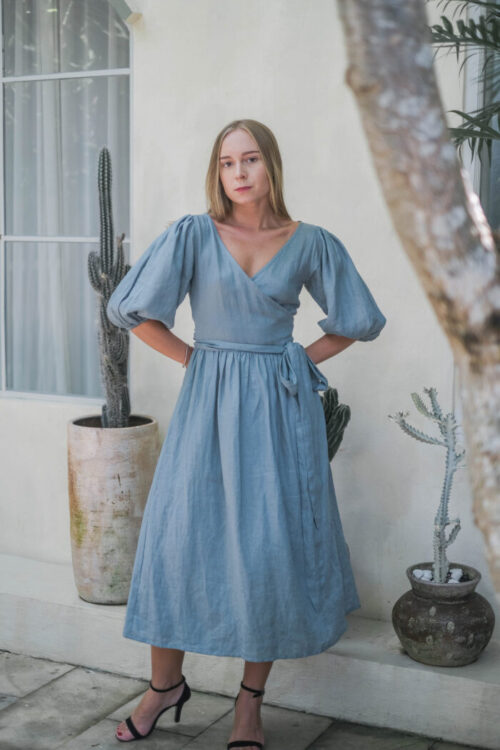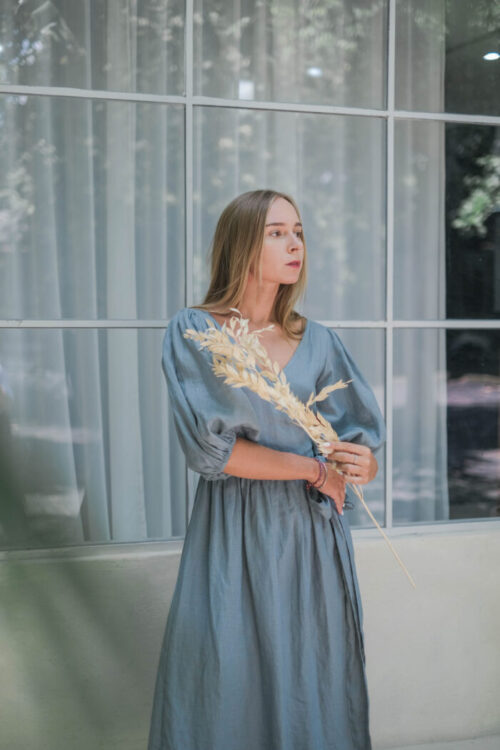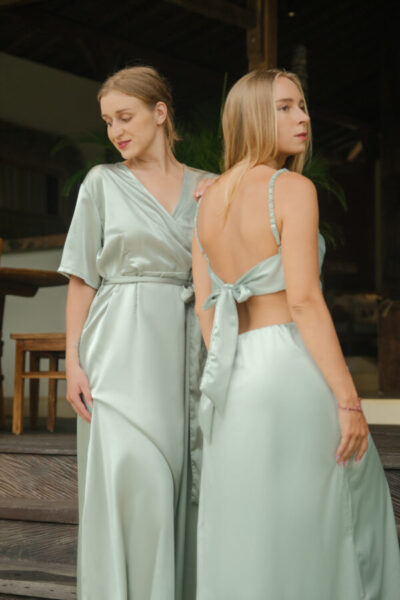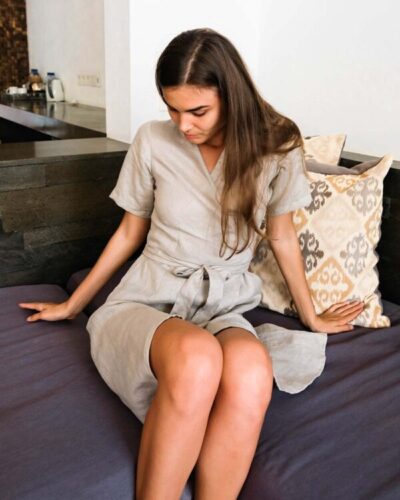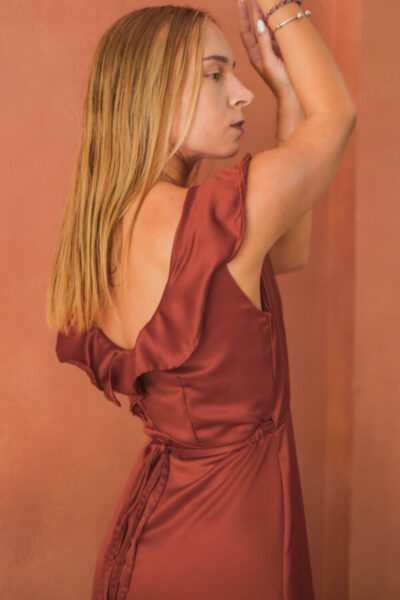
Viscose Crepe is a fabric made from viscose fibers using a crepe-style construction that creates a subtly textured, slightly crinkled surface. The crepe effect is achieved through the use of twisted yarns, specific weaving techniques, or special finishing processes, resulting in a fabric that has natural elasticity and fluid movement. Viscose, a regenerated cellulose fiber derived from natural plant sources, provides softness, breathability, and a smooth hand feel similar to natural fibers such as cotton or silk.
This fabric is valued for its balance between texture and comfort. Unlike smooth plain weaves, Viscose Crepe offers visual depth while remaining lightweight and wearable. Its natural drape and matte appearance make it suitable for garments that require elegance without excessive shine, positioning it as a versatile fabric across casual, professional, and occasion wear.
Crepe fabrics have historical roots in luxury textiles, where early versions were traditionally produced from silk and associated with refined clothing, ceremonial garments, and formal attire. The distinctive crinkled texture of crepe was originally achieved through high-twist silk yarns, making it a specialized and premium material. Over time, crepe became appreciated not only for its appearance but also for its ability to drape beautifully and resist wrinkling.
With the development of viscose fibers in the late 19th and early 20th centuries, crepe fabrics became more accessible and adaptable. Viscose Crepe emerged as a practical alternative that maintained the aesthetic qualities of silk crepe while offering improved affordability and breathability. Its adoption increased as fashion shifted toward lighter, more comfortable fabrics suitable for everyday wear, workwear, and modern lifestyle clothing.
Key Characteristics
Viscose Crepe is distinguished by its softly textured surface, which gives the fabric a slightly grainy or pebbled feel. This texture adds visual interest while helping the fabric fall naturally without clinging to the body. The viscose fiber contributes a smooth, cool sensation against the skin, making the fabric comfortable to wear for extended periods.
The fabric is typically lightweight to medium in weight and offers excellent breathability. Its structure allows air circulation while maintaining modest opacity, depending on weight and finish. Viscose Crepe also tends to have a gentle natural stretch or flexibility, which enhances ease of movement and overall comfort, especially in flowing or relaxed garment designs.
Best Uses of Viscose Crepe
Viscose Crepe is extensively used in fashion garments that require a balance of elegance, comfort, and practicality. Common applications include dresses, blouses, skirts, tunics, jumpsuits, and relaxed-fit trousers. Its fluid drape makes it particularly suitable for flowing silhouettes, pleated designs, wrap styles, and layered garments that benefit from movement and softness.
Beyond casual and everyday fashion, Viscose Crepe is widely used in professional and semi-formal clothing. Its matte finish and textured surface provide a polished yet understated appearance, making it ideal for office wear, occasion outfits, and travel-friendly garments. Designers often select Viscose Crepe for collections that require versatility, allowing garments to transition seamlessly from daywear to evening wear.
Key Variations
Crepe fabric is available in a wide range of variations depending on fiber composition, weight, texture, and construction. Fiber composition ratios can be adjusted to enhance softness, durability, or drape, while fabric weight ranges from lightweight crepe suitable for blouses and flowing garments to medium-weight crepe used for more structured clothing. The crepe texture itself can vary from a fine, subtle grain to a more pronounced, tactile surface. Surface finishes include classic matte crepe, sand-washed crepe for a softer hand feel, and lightly polished crepe for a refined appearance. Crepe fabrics are offered in solid dyed, printed, and digitally printed designs, and can be produced as woven crepe for structure or knitted crepe for added flexibility and comfort.
Advantages
One of the most significant advantages of Viscose Crepe is its ability to combine refined appearance with everyday comfort. The fabric drapes gracefully without clinging to the body, creating flattering silhouettes across different garment styles. Its breathable nature makes it suitable for warm and moderate climates, helping the wearer remain comfortable throughout the day.
Another advantage lies in its textured surface, which naturally disguises wrinkles and creases better than smooth fabrics. Viscose Crepe also absorbs dyes effectively, resulting in rich, vibrant colors and sharp prints. These qualities make it a practical choice for garments that need to maintain a neat and polished look with relatively low maintenance.
Unique Features
Viscose Crepe stands apart due to its distinctive balance of texture, softness, and fluidity. Unlike plain woven fabrics, its crepe structure adds visual depth and movement, giving garments a more dynamic and sophisticated appearance. Despite its textured look, the fabric remains gentle on the skin, making it suitable for all-day wear.
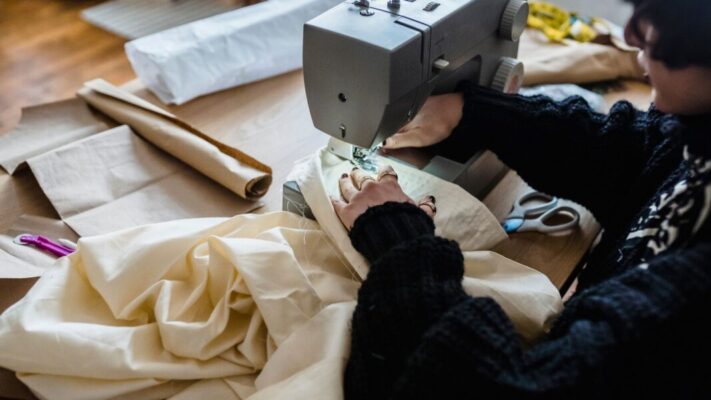
Another unique feature is its adaptability across different fashion categories. Viscose Crepe can be used in minimalist, classic, bohemian, or contemporary designs with equal effectiveness. It responds well to various cutting and sewing techniques, allowing designers to create garments that are both expressive and functional.
Modern Fashion Trend
In modern fashion, Viscose Crepe is highly favored for its versatility and timeless appeal. It is commonly featured in contemporary collections that emphasize soft tailoring, fluid lines, and relaxed elegance. Designers appreciate its ability to create garments that look refined while remaining comfortable and wearable.
The fabric aligns strongly with current fashion trends focused on comfort, movement, and practicality. Consumers value Viscose Crepe for its lightweight feel, wrinkle resistance, and elegant drape, making it suitable for daily wear, travel wardrobes, and transitional pieces that move easily from casual to formal settings.
Care and Maintenance
Crepe fabric should be washed gently in cold or lukewarm water using a mild detergent suitable for delicate materials, while bleach and harsh chemicals should be avoided to protect the fibers and surface texture. Do not wring or twist the fabric; instead, gently remove excess water and air dry or hang dry to preserve its characteristic drape and grain. High heat during drying should be avoided, and if ironing is necessary, use low heat from the reverse side. Store crepe garments neatly folded or carefully hung to prevent creasing and maintain their shape over time.