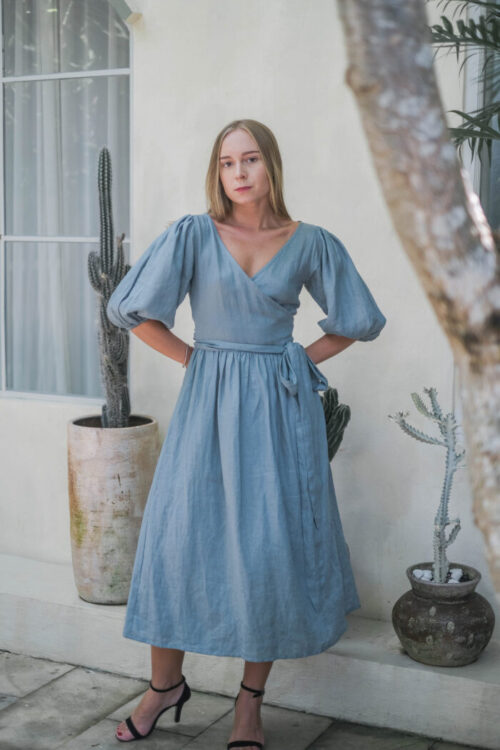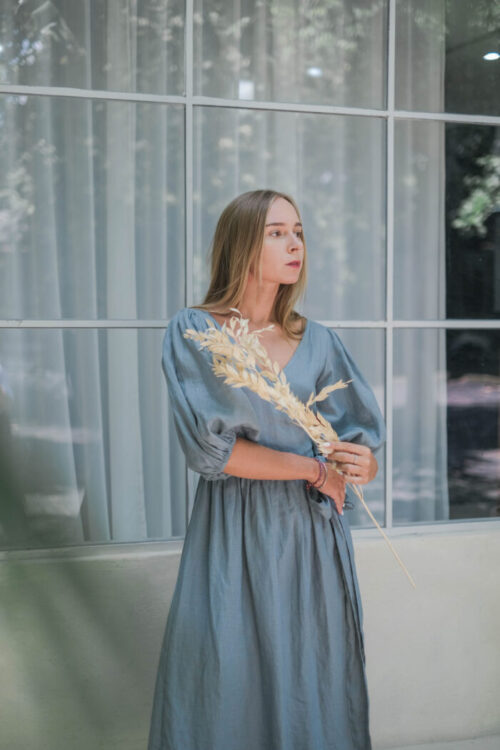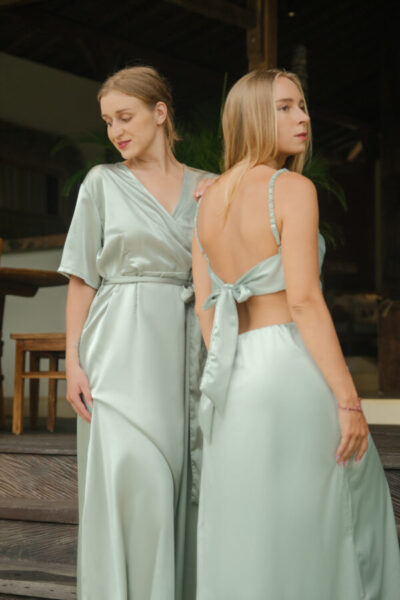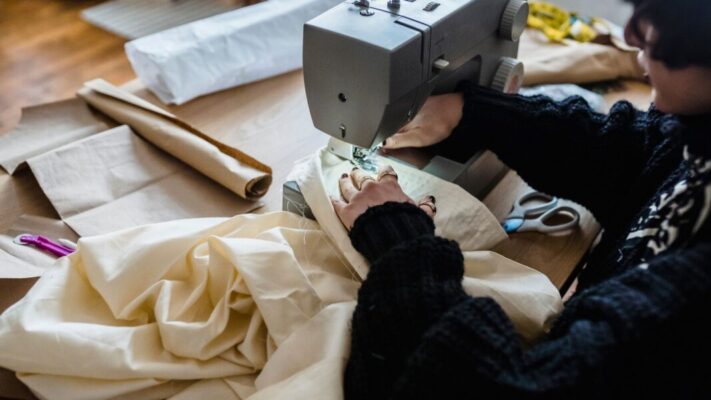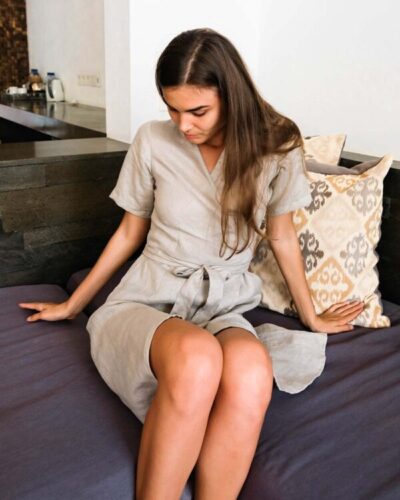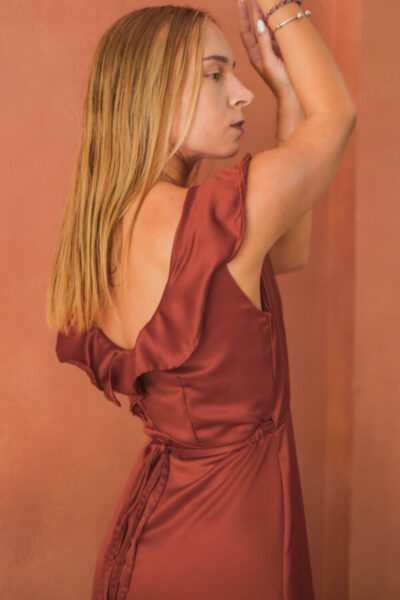
Viscose Satin Crepe Spandex is a blended fabric that combines viscose fibers with spandex and is constructed using a satin crepe technique. This construction results in a fabric that merges the smooth luster of satin with the subtle texture of crepe, creating a surface that is soft, fluid, and visually refined. Viscose provides a breathable, silk-like feel derived from regenerated cellulose, while spandex adds controlled stretch and elasticity, improving comfort and fit.
The fabric is designed to offer both elegance and functionality. Unlike traditional satin, which may feel rigid or slippery, Viscose Satin Crepe Spandex has a balanced structure that drapes gracefully while remaining easy to wear. The crepe element introduces a gentle texture that reduces excessive shine and enhances movement, making the fabric suitable for modern garments that require sophistication with flexibility.
Satin and crepe fabrics each have long histories rooted in luxury textiles. Satin was historically associated with silk and formal garments due to its glossy surface and smooth hand feel, while crepe was valued for its textured appearance and elegant drape. Over time, these two constructions were combined to create satin crepe fabrics that offered both softness and surface interest.
With the advancement of regenerated fibers, viscose became a popular substitute for silk, allowing satin crepe fabrics to become more accessible. The addition of spandex is a more recent development, introduced as fashion trends shifted toward fitted silhouettes and comfort-driven design. Viscose Satin Crepe Spandex emerged from this evolution, reflecting the textile industry’s focus on blending classic elegance with modern performance requirements.
Key Characteristics
Viscose Satin Crepe Spandex is characterized by a smooth yet softly textured surface that feels luxurious without being overly glossy. The satin element provides a gentle sheen, while the crepe structure introduces a fine grain that adds depth and reduces slipperiness. Viscose fibers give the fabric a cool, soft touch, enhancing comfort during extended wear.
The inclusion of spandex allows the fabric to stretch and recover, improving ease of movement and garment fit. The fabric is typically lightweight to medium weight, offering excellent drape and fluidity. It moves naturally with the body, making it ideal for garments that emphasize flow, contour, and softness without stiffness.
Best Uses of Viscose Satin Crepe Spandex
Viscose Satin Crepe Spandex is widely used in fashion apparel that requires a refined appearance combined with comfort. Common applications include dresses, skirts, blouses, tops, and coordinated sets. Its stretch and drape make it particularly suitable for fitted designs, bias-cut garments, and styles that require both elegance and mobility.
The fabric is also popular in occasion wear, eveningwear, and contemporary fashion collections. Designers often select it for garments that transition easily from daytime elegance to evening sophistication. Its balanced texture and sheen allow it to be styled for formal, semi-formal, or elevated casual looks.
Key Variations
Satin crepe fabric comes in a variety of variations based on fiber composition, weight, stretch, and surface finish. The ratio of fibers can be adjusted to control softness, sheen, and elasticity, while fabric weight typically ranges from lightweight qualities used for blouses to medium-weight options suitable for dresses and elegant garments. Stretch levels depend on the amount of spandex used and the construction method, influencing comfort and fit. Surface finishes may vary from matte satin crepe and soft luster to lightly polished textures for a refined appearance. Satin crepe is available in solid dyed, printed, and digitally printed designs, and can be constructed as woven satin crepe for structure or knitted satin crepe for added flexibility and comfort.
Advantages
One of the main advantages of Viscose Satin Crepe Spandex is its ability to deliver a luxurious look with enhanced comfort. The satin crepe surface offers elegance and visual richness, while viscose ensures breathability and softness. The addition of spandex allows garments to move with the body, reducing restriction and improving wearability.
Another advantage is the fabric’s flattering drape and shape retention. It contours gently without clinging excessively and maintains its form over time. The crepe texture also helps minimize the appearance of wrinkles, making the fabric suitable for garments that need to look polished with minimal effort.
Unique Features
Viscose Satin Crepe Spandex stands out for its unique combination of sheen, texture, and stretch. Unlike plain satin, it avoids an overly glossy or slippery appearance, offering a more balanced and sophisticated finish. The crepe grain adds subtle texture that enhances both visual and tactile appeal.
Another unique feature is its versatility across fashion categories. The fabric adapts well to modern silhouettes, allowing designers to create garments that are elegant yet practical. Its ability to combine luxury aesthetics with functional stretch makes it especially valuable in contemporary fashion design.
Modern Fashion Trend
In modern fashion, Viscose Satin Crepe Spandex is increasingly used in collections focused on fluid tailoring, minimalism, and refined comfort. It is frequently seen in slip dresses, wrap skirts, draped tops, and coordinated sets that emphasize movement and ease. Designers favor it for its ability to elevate simple silhouettes with texture and flow.
The fabric aligns with current consumer preferences for versatile, comfortable, and elegant clothing. Its soft stretch and breathable nature make it suitable for all-day wear, while its refined appearance supports both casual styling and formal occasions. This adaptability keeps Viscose Satin Crepe Spandex relevant in evolving fashion trends.
Care and Maintenance
Satin crepe fabric should be washed gently in cold or lukewarm water using a mild detergent formulated for delicate fabrics, while bleach and harsh chemicals should be avoided to protect the fibers and surface finish. Do not wring or twist the fabric; instead, gently remove excess water and air dry flat or hang dry to preserve its drape and texture. High heat during drying should be avoided, and if ironing is necessary, use low heat from the reverse side. Store garments on padded hangers or folded neatly to maintain shape and prevent creasing or damage over time.