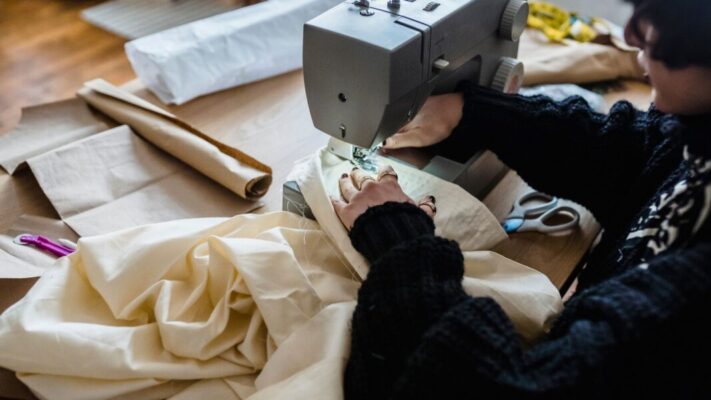
At Megaya Bali, sustainability begins before the first cut of fabric. Careful planning is central to reducing waste in garment production. Every order starts with an in-depth analysis of design requirements, garment quantities, and fabric specifications. The team calculates the exact yardage needed, factoring in pattern layout, seam allowances, and potential defects. By optimizing material use from the very beginning, Megaya ensures that excess fabric is minimized, reducing both environmental impact and production costs. This proactive approach contrasts sharply with fast-fashion manufacturing, where overproduction and rushed planning often lead to unnecessary scraps and discarded material.
Precision Cutting and Technology-Driven Efficiency
Megaya Bali leverages advanced technology alongside skilled craftsmanship to achieve precision cutting and efficient fabric utilization. Computer-aided design (CAD) systems help map pattern pieces in layouts that maximize every inch of fabric. Laser and automated cutting tools minimize human error, ensuring patterns are cut accurately and consistently. Even minor mistakes in traditional cutting can result in wasted material, but Megaya’s approach reduces these risks. This blend of technology and artisan skill allows for garments that meet exact specifications while keeping fabric waste as low as possible, demonstrating that sustainability and quality can coexist seamlessly.
Small-Batch and Low-MOQ Production
Unlike mass-production factories that often overproduce and generate large amounts of leftover materials, Megaya Bali emphasizes small-batch and low-MOQ (Minimum Order Quantity) production. By producing only what is necessary, the factory avoids the surplus that frequently ends up as waste. This strategy is particularly beneficial for emerging designers and boutique brands launching seasonal collections. Not only does it allow creative experimentation without large inventory risks, but it also aligns with responsible production practices, making sustainable garment manufacturing a practical reality.
Reuse and Recycling of Fabric Offcuts
Megaya Bali takes a holistic approach to handling leftover materials. Small fabric offcuts are carefully collected and repurposed for secondary products, such as sample pieces, swatches, accessories, or even patchwork designs. Larger remnants may be recycled into industrial uses, donated to local artisan schools, or used in experimental projects for upcycling. By finding value in what would otherwise be discarded, Megaya turns potential waste into functional resources, contributing to circular economy principles and supporting community engagement.
Collaboration with Eco-Conscious Brands
Megaya Bali actively partners with fashion brands that prioritize sustainability, providing guidance on fabric choices, design efficiency, and production planning. Designers are encouraged to consider patterns that optimize fabric usage, blends that reduce environmental impact, and construction techniques that limit waste. This collaborative approach ensures that sustainability is a shared responsibility across the entire design-to-production process, rather than being confined to the factory floor. By integrating sustainability into brand strategies, Megaya fosters a culture of responsible production while delivering garments that meet both aesthetic and ethical standards.
Training Staff and Embedding Sustainable Practices
Reducing fabric waste is not just a technological or procedural effort, it’s also about people. Megaya Bali invests in training its staff on sustainable practices, emphasizing the importance of precision, careful handling of materials, and conscious decision-making during production. Teams are encouraged to consider the environmental impact of every cut, stitch, and design choice. Regular workshops and quality checks reinforce these principles, ensuring that sustainability is embedded into daily operations rather than being an afterthought. This human-centered approach strengthens accountability and helps maintain high standards of both quality and eco-consciousness.
Continuous Innovation for Waste Reduction
Megaya Bali doesn’t stop at conventional methods; the company continuously explores innovative ways to reduce fabric waste. From experimenting with fabric blends to designing modular or adjustable patterns, every production cycle is an opportunity to refine efficiency. The factory also studies trends in zero-waste fashion and circular design principles, adopting techniques such as pattern nesting, multi-piece cutting, and strategic fabric blending to ensure that minimal material is discarded. By staying ahead of industry innovations, Megaya not only reduces its environmental footprint but also positions itself as a forward-thinking leader in sustainable garment manufacturing.
The Environmental and Brand Impact
By minimizing fabric waste, Megaya Bali addresses multiple challenges faced by the fashion industry. Environmentally, it reduces landfill contributions, chemical runoff, and unnecessary energy consumption. From a brand perspective, partnering with a factory that prioritizes waste reduction enhances credibility and appeals to consumers increasingly concerned with sustainability. Fashion brands can confidently market their collections as responsibly produced, aligning style with ethical practices and engaging customers who value eco-consciousness. Megaya Bali exemplifies how garment manufacturers can merge creativity, quality, and sustainability. Through meticulous planning, advanced cutting technology, small-batch production, repurposing offcuts, and staff training, the factory significantly reduces fabric waste without compromising design or functionality. Its commitment to sustainable practices benefits the environment, supports local communities, and empowers brands to produce responsibly. For designers and companies seeking to combine elegance with ecological responsibility, Megaya Bali offers a model of how modern garment production can be both stylish and conscientious.