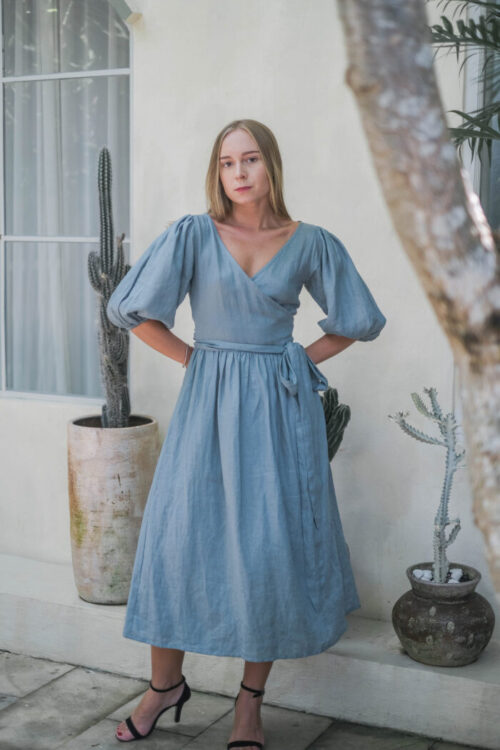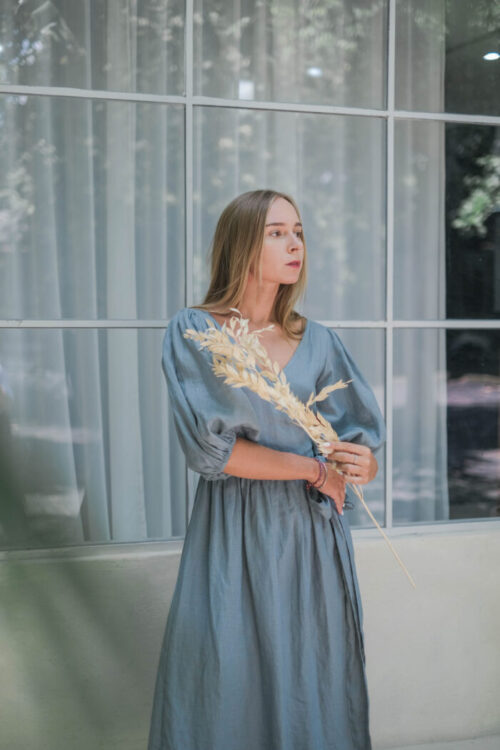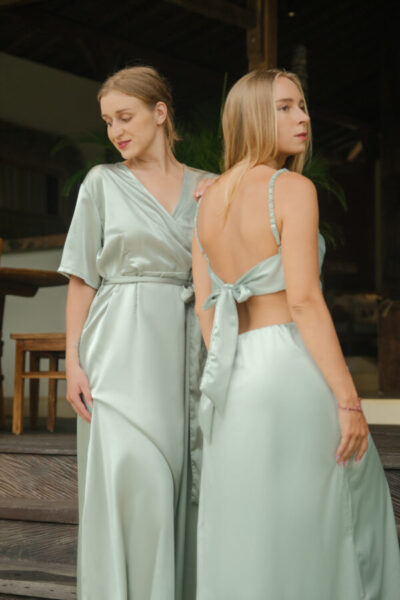
In hospitality, uniforms are more than functional clothing; they are a reflection of a brand’s identity and service quality. The fabric used in uniforms directly influences staff comfort, performance, and the visual impression guests receive. Choosing the right material ensures that uniforms withstand long working hours, frequent laundering, and tropical climates, all while maintaining a professional and polished appearance. The right fabric contributes to the overall guest experience, demonstrating attention to detail and care in every interaction.
Comfort is Key
Staff spend long hours on their feet, often moving between multiple tasks and areas. Fabrics must prioritize comfort to ensure employees can work efficiently without distraction. Breathable materials like linen, cotton, and bamboo allow air circulation and moisture absorption, making them ideal for hot and humid climates such as Bali. Lightweight and soft fabrics reduce fatigue and irritation, while natural fibers tend to become softer over time, enhancing comfort further. Comfortable uniforms not only improve staff satisfaction but also elevate the quality of service delivered to guests.
Durability and Easy Care
Hospitality uniforms are subject to frequent wear and washing, so durability is essential. Fabrics should withstand repeated laundering without shrinking, fading, or losing shape. Linen blends, high-quality cotton, and certain rayon fabrics offer strength and resilience while retaining aesthetic appeal. Uniforms with wrinkle-resistant and quick-drying properties reduce maintenance efforts, ensuring that staff always look neat and professional. Choosing durable fabrics reduces replacement costs and supports a long-term, sustainable uniform strategy.
Style and Brand Representation
Fabric choice also affects the overall style and presentation of uniforms. Smooth, flowing fabrics such as rayon and silk blends convey elegance and luxury, suitable for high-end resorts and boutique properties. Structured materials like twill or canvas provide a crisp, professional appearance, ideal for front-of-house and concierge staff. Color retention, texture, and drape are critical considerations, as they influence how uniforms align with the resort’s branding and visual identity.
Climate and Functionality Considerations
Hospitality uniforms must suit the environment and operational needs of staff. In tropical regions, fabrics that are lightweight, breathable, and moisture-wicking are essential to prevent discomfort. In cooler climates, blends with insulating properties may be preferred. Additionally, fabrics should support the specific tasks of each department, whether it’s housekeeping, spa services, food and beverage, or reception. Ergonomic design paired with the right material ensures that uniforms enhance mobility, efficiency, and overall functionality.
Sustainability and Ethical Fabric Choices
Increasingly, resorts and hotels are prioritizing eco-conscious fabrics to align with sustainability goals. Organic cotton, linen, Tencel, and bamboo are renewable, biodegradable, and produced with lower environmental impact. Choosing sustainable fabrics communicates a commitment to responsible practices, appealing to environmentally aware guests and contributing positively to the resort’s brand image. Sustainable fabrics can also be paired with ethical manufacturing practices, reinforcing both social and environmental responsibility.
Collaboration with Manufacturers
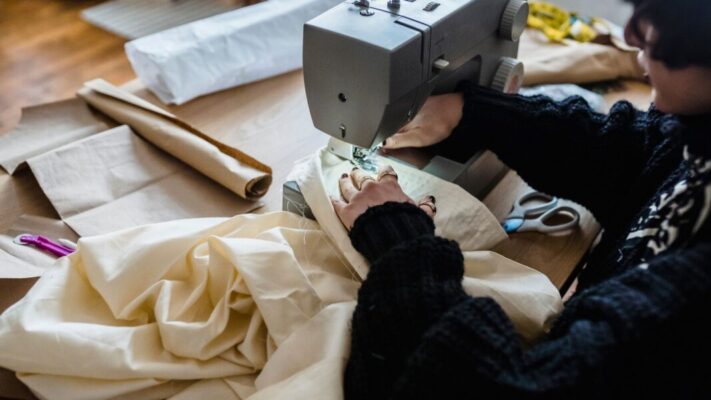
Selecting the right fabric is a collaborative process between resort management, designers, and manufacturers. Experienced local manufacturers in Bali can recommend materials suited to the climate, tasks, and brand aesthetic, ensuring the fabric choice meets both operational and visual requirements. Sampling and testing fabrics before mass production allows resorts to evaluate comfort, durability, and appearance in real-world conditions, minimizing costly mistakes. The right fabric is the cornerstone of effective hospitality uniforms. It balances comfort, durability, style, functionality, and sustainability, directly influencing staff performance and guest perception. By carefully selecting fabrics that align with climate conditions, operational demands, and brand identity, resorts can create uniforms that not only look professional but also enhance the overall hospitality experience. Thoughtful fabric choices reflect a commitment to excellence, sustainability, and guest satisfaction, making them a strategic investment in the property’s success.