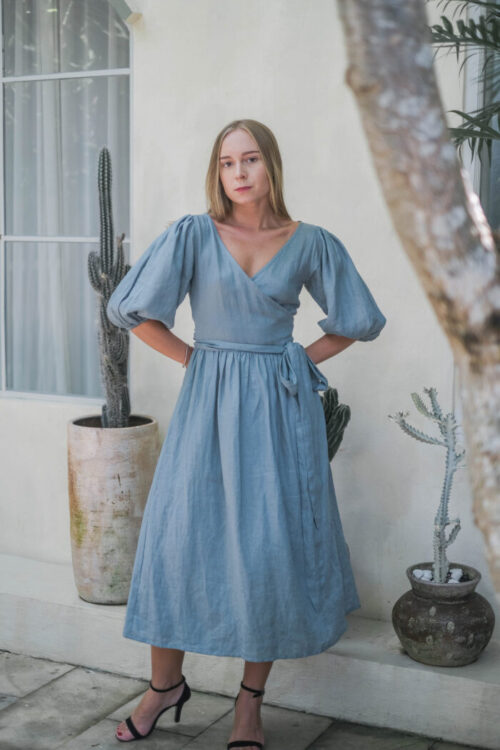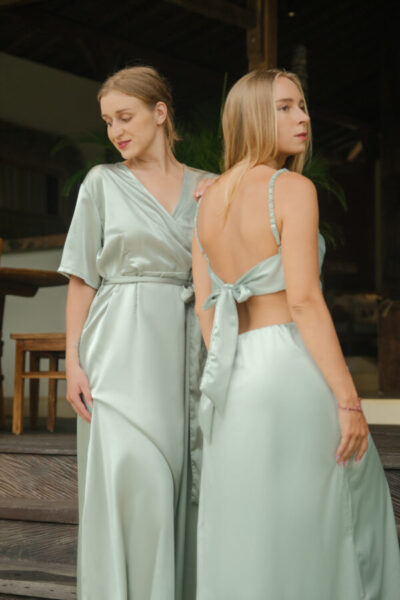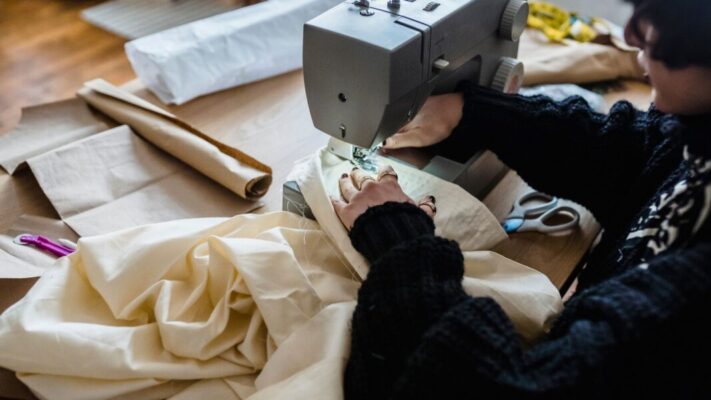
A garment sample is the first real translation of a design idea into a physical product. It represents how a concept moves from imagination into something wearable, functional, and repeatable. When a sample accurately reflects a brand’s vision, it becomes a powerful foundation for bulk production. When it does not, it often leads to frustration, delays, and unexpected costs. For many fashion brands, especially those in early stages, sampling is where creative expectations and production reality either align or clash. Understanding the role of sampling helps brands approach this phase with clarity and intention.
Defining Your Vision Before the Sample Is Made
A strong sample begins long before fabric is cut. It starts with a clearly defined vision. This includes the purpose of the garment, the target customer, the desired fit, and the overall aesthetic. When this vision is vague or constantly changing, samples tend to feel disconnected, even if they are technically well made. Clear creative direction allows manufacturers to understand not only what needs to be produced, but also the feeling and identity behind the garment. This clarity reduces guesswork and ensures the sample moves closer to the intended outcome from the beginning.
Translating Ideas into Clear Production Information
Creative ideas need structure in order to be produced accurately. While inspiration images and references are helpful, they must be supported by precise technical information. Measurements, construction details, fabric specifications, and finishing expectations all play a role in shaping the final sample. When technical information is incomplete or inconsistent, manufacturers are forced to interpret details, which often leads to results that differ from expectations. Clear documentation bridges the gap between design intent and execution, allowing the sample to reflect the original vision more closely.
The Role of Fabric in Shaping the Sample
Fabric choice has a significant impact on how a sample looks, fits, and feels. The same design can appear completely different depending on fabric weight, drape, and texture. Selecting materials that align with the intended design ensures the sample represents the final product realistically. Using alternative fabrics for sampling may seem efficient, but it can distort proportions, movement, and fit. When the fabric behaves differently, the sample may give a misleading impression of the final garment. Sampling with the intended or closest possible fabric helps avoid these discrepancies.
Communication as a Key Element in Sampling
Clear communication between brand and manufacturer is essential throughout the sampling process. Sharing both creative references and technical details helps align expectations and reduces misunderstandings. When manufacturers understand the “why” behind a design, they are better equipped to make informed decisions during construction. Open communication also allows potential challenges to be identified early. Addressing fabric limitations, construction complexity, or fit concerns during sampling prevents larger issues during bulk production.
Reviewing the Sample with Objectivity
Evaluating a sample requires an objective mindset. It is important to assess fit, proportions, comfort, construction quality, and finishing based on the original vision rather than emotional attachment to the design. A sample should be reviewed as a product intended for real customers, not just as a concept piece. Trying the garment on a fit model or body often reveals details that are not visible on a hanger. This process helps brands understand how the garment performs in real-world conditions and whether it truly meets expectations.
Refinement as Part of the Creative Process
It is rare for a first sample to be perfect. Refinement is a natural and necessary part of garment development. Each adjustment brings the sample closer to the desired outcome, improving clarity and consistency. Providing focused and consistent feedback allows manufacturers to refine the sample efficiently. When feedback is clear, revisions become purposeful rather than repetitive, helping the process move forward without unnecessary delays.
Establishing the Sample as a Production Reference
Once a sample fully matches the brand’s vision, it becomes the standard for bulk production. This approved version defines measurements, materials, construction methods, and finishing details. It serves as a physical reference that ensures consistency across every piece produced. Treating the approved sample as a benchmark protects quality and minimizes variation during mass production.
Conclusion: Creating Samples with Intention and Precision
Creating a sample that truly matches your vision is both a creative and strategic process. It requires clarity, communication, and patience. When sampling is approached thoughtfully, it becomes a tool that strengthens design integrity and production efficiency. A well-developed sample reduces risk, builds confidence, and sets the tone for successful bulk production. For fashion brands, investing time and care into sampling is one of the most effective ways to ensure that what reaches customers reflects the original idea accurately, consistently, and beautifully.