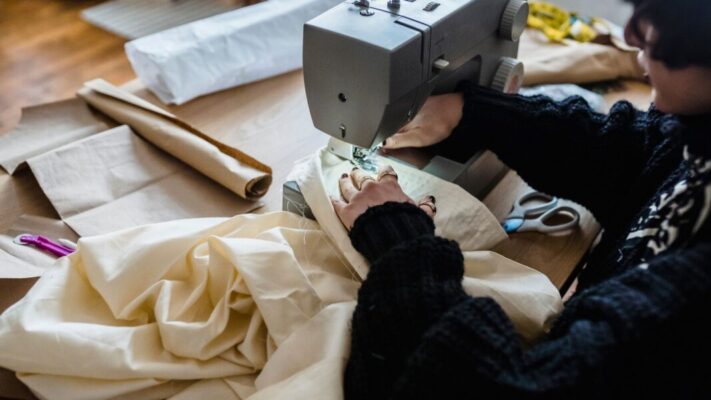
Sustainability in Bali is deeply rooted in a cultural philosophy that values balance between people, nature, and daily life. This mindset naturally extends into creative industries, where recycling and upcycling are not treated as trends but as thoughtful responses to limited resources. In Bali, waste is increasingly seen not as an end point, but as a starting point for innovation. Designers, artisans, and manufacturers approach materials with intention, asking how existing resources can be transformed, extended, and given new purpose rather than discarded.
Recycling as a Foundation for Responsible Production
Recycling plays an important role in Bali’s sustainability efforts, particularly within fashion and lifestyle industries. Fabric remnants, excess yarn, and production leftovers are collected and reprocessed into usable materials instead of being sent to landfills. These recycled inputs are then reintegrated into new garments, accessories, or interior products. By closing the loop within the production cycle, brands reduce raw material demand and lower environmental impact. Recycling in Bali is not driven by large-scale industrial systems alone, but also by small workshops that treat material efficiency as a core value rather than an afterthought.
Upcycling as a Form of Creative Expression
Upcycling in Bali goes beyond functionality and enters the realm of artistic expression. Designers reimagine discarded textiles, vintage garments, and surplus fabrics into one-of-a-kind pieces that carry history and individuality. This process celebrates imperfection and uniqueness, resulting in products that cannot be mass-produced or replicated. Each upcycled item tells a story of transformation, reflecting both creative vision and environmental responsibility. In this way, sustainability becomes visible, tactile, and emotionally engaging rather than abstract.
Supporting Artisans and Local Creativity
Recycling and upcycling initiatives often rely on close collaboration with local artisans, tailors, and craftspeople. These partnerships create new income opportunities while preserving traditional skills such as hand sewing, embroidery, patchwork, and natural dyeing. By working with reclaimed materials, artisans are encouraged to innovate while maintaining cultural craftsmanship. This fusion of tradition and sustainability strengthens local creative economies and reinforces the idea that responsible fashion can also be culturally rich and economically empowering.
Reducing Waste Through Design Thinking
A key element of Bali’s approach lies in thoughtful design from the beginning. Designers increasingly plan collections with waste reduction in mind, using pattern layouts that minimize offcuts and choosing constructions that allow leftover fabric to be reused. Upcycling is often integrated directly into the design process rather than treated as a separate initiative. This mindset shifts sustainability from a corrective action to a creative principle, where design decisions actively prevent waste before it exists.
Educating Consumers Through Visible Sustainability
Recycled and upcycled products also serve as educational tools. When consumers see how materials have been transformed, sustainability becomes tangible rather than theoretical. Many brands openly share the stories behind their recycled fabrics or upcycled designs, helping customers understand the impact of mindful consumption. This transparency fosters appreciation for craftsmanship and encourages longer relationships with clothing and products, reducing the cycle of disposable consumption.
Influence on Fashion and Lifestyle Industries
Bali’s creative recycling and upcycling practices influence not only fashion but also homeware, accessories, and hospitality design. Resorts, villas, and eco-conscious businesses incorporate reclaimed textiles and materials into uniforms, décor, and furnishings, reinforcing a cohesive sustainability narrative. These visible choices shape visitor perceptions and demonstrate how environmental responsibility can be seamlessly integrated into everyday aesthetics and functionality.
A Model for Circular Sustainability
The recycling and upcycling movement in Bali reflects a broader shift toward circular sustainability, where materials remain in use for as long as possible. By extending the life of fabrics and products, the island reduces waste, conserves resources, and lowers environmental strain. This circular approach aligns naturally with Bali’s values of balance and respect, offering a model that prioritizes creativity, responsibility, and long-term thinking over convenience and excess. Bali’s approach to recycling and upcycling shows that sustainability does not have to limit creativity. Instead, it can inspire innovation, storytelling, and deeper connections between people, materials, and the environment. By transforming waste into meaningful design, Bali demonstrates how conscious choices and creative thinking can coexist, shaping a future where sustainability is not only necessary but beautifully expressed through craft and culture.