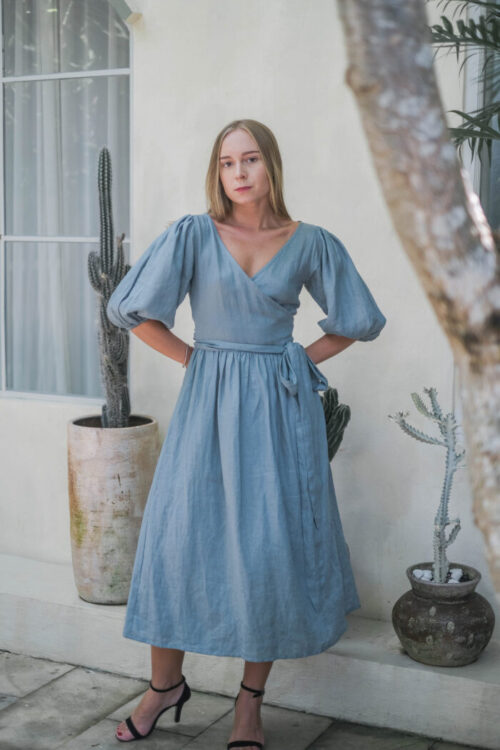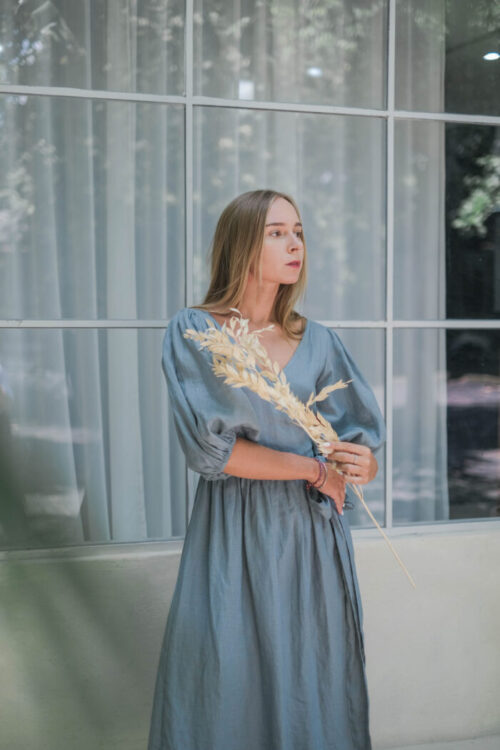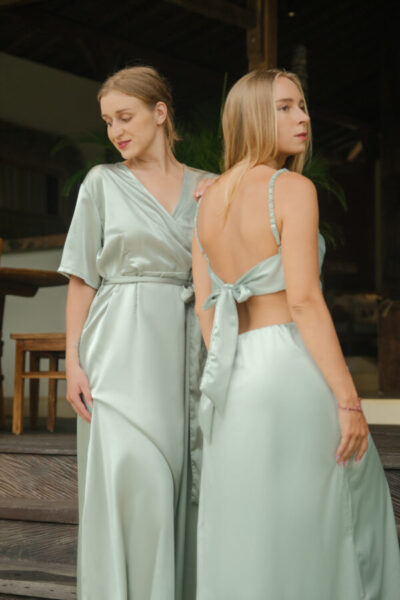
Linen is admired for its natural texture, breathability, and timeless appeal, but caring for linen properly is essential to preserve its beauty and longevity. As a fabric made from natural fibers, linen behaves differently from synthetic materials. It responds to washing, drying, and wear in ways that reflect its organic origins. Understanding how linen ages and reacts to daily use allows garments to maintain their comfort, structure, and character over time. Proper care is not about perfection, but about respecting the nature of the fabric and allowing it to evolve gracefully.
Understanding the Nature of Linen Fabric
Linen is derived from flax fibers, which are known for their strength and durability. Unlike many modern textiles, linen fibers are not heavily processed, giving the fabric its distinctive texture and breathability. This natural structure allows linen to regulate temperature effectively, making it ideal for warm climates and everyday wear. However, the same qualities that make linen comfortable also mean it benefits from gentle handling. Linen is strong but can become brittle if exposed to excessive heat or harsh chemicals. Recognizing linen as a living, natural material helps set realistic expectations for its care and appearance.
Washing Linen Without Compromising Quality
Washing linen is often a concern for first-time wearers, but when treated correctly, linen responds well to regular cleaning. Linen does not require aggressive washing to stay fresh. Gentle cycles and mild detergents help preserve fiber integrity while maintaining softness. Overwashing or using strong chemicals can weaken the fibers and dull the fabric’s natural finish. Linen naturally resists dirt and bacteria, meaning it often requires less frequent washing than synthetic fabrics. Allowing garments to air out between wears can extend time between washes and preserve their structure.
Drying and the Role of Temperature
Heat plays a significant role in how linen ages. Excessive heat can cause shrinkage and stiffness, while gentle drying helps maintain the fabric’s flexibility. Linen benefits from lower temperatures and natural air-drying, which allows fibers to relax rather than tighten. When linen is dried thoughtfully, it retains its breathable quality and softens gradually with use. The goal is not to rush the process, but to allow the fabric to settle naturally. Over time, this approach enhances linen’s signature relaxed feel.
Embracing Linen’s Natural Texture
Wrinkling is often misunderstood as a flaw in linen, when in reality it is part of the fabric’s charm. Linen wrinkles because its fibers lack elasticity, which gives garments their distinctive relaxed appearance. Rather than fighting this quality, many designers and wearers embrace it as a sign of authenticity. Light steaming or gentle pressing can refine the look when desired, but perfectly crisp linen is neither natural nor necessary. The beauty of linen lies in its lived-in elegance, where movement and texture add character rather than detract from it.
Storage and Long-Term Care
How linen is stored affects how it ages. Natural fibers benefit from breathable environments that prevent moisture buildup. Linen should feel relaxed in storage, not compressed or strained. Proper storage supports airflow and helps garments retain their shape. Over time, linen that is stored thoughtfully maintains its softness and strength, reducing the need for intensive care later. Seasonal storage is also an opportunity to let linen rest, reinforcing its durability and longevity.
How Linen Improves with Time
One of linen’s most remarkable qualities is how it evolves through wear and care. Unlike many fabrics that degrade quickly, linen becomes softer and more comfortable as it ages. Each wash gently loosens the fibers, creating a smoother texture while maintaining strength. This gradual transformation is what gives linen garments their personal, lived-in feel. With proper care, linen does not lose its identity, it deepens it. The fabric reflects use, lifestyle, and time, making each piece uniquely its own.
Caring for Linen as a Sustainable Choice
Proper linen care aligns closely with sustainable fashion values. Linen garments are designed to last, and caring for them responsibly reduces the need for frequent replacement. Lower washing temperatures, less frequent laundering, and longer garment lifecycles contribute to reduced environmental impact. Choosing to care for linen thoughtfully supports a slower, more conscious approach to fashion, one that values quality over convenience and longevity over trends. Caring for linen is less about strict rules and more about understanding the fabric’s nature. When treated with patience and respect, linen rewards wearers with comfort, durability, and timeless style. Its evolution over time is not something to control, but something to appreciate. By embracing linen’s natural behavior and caring for it gently, garments remain beautiful not despite age, but because of it. Linen care ultimately becomes an extension of the values the fabric represents: simplicity, authenticity, and lasting quality.