Plastic pollution has become one of the most pressing environmental issues facing the world today, and in Bali, its impact is impossible to ignore. As an island deeply connected to the ocean, rivers, and natural landscapes, Bali experiences firsthand the consequences of plastic waste through polluted beaches, damaged marine ecosystems, and disrupted local environments. This reality has sparked widespread awareness across communities, creatives, and businesses, leading many to rethink everyday consumption habits. Within the fashion industry, this awareness has translated into a growing movement to reduce and ultimately eliminate plastic from clothing production. Designers and manufacturers increasingly see plastic-free fashion not as an optional trend, but as a necessary response to protect the island that sustains their livelihoods and inspires their creativity.
Moving Away from Synthetic Fibers
One of the most significant shifts in Bali’s fashion scene is the gradual move away from synthetic fibers that rely heavily on plastic. Materials such as polyester, nylon, and acrylic, while widely used in global fashion, are derived from fossil fuels and release microplastics during washing and wear. These invisible particles eventually enter waterways and oceans, contributing to long-term environmental damage. In response, many Balinese designers are embracing natural and biodegradable fibers like linen, organic cotton, bamboo, hemp, and responsibly sourced viscose. These materials not only reduce plastic pollution but also offer comfort, breathability, and suitability for tropical climates, making them a natural choice both environmentally and functionally.
Redefining Packaging and Presentation
Plastic-free fashion in Bali extends far beyond the garments themselves. Packaging has become a central focus, as traditional polybags, plastic tags, and protective wraps are increasingly recognized as unnecessary sources of waste. Brands are replacing these with paper-based packaging, recycled cardboard, reusable fabric bags, and compostable materials that align with their sustainability values. This shift encourages consumers to become more conscious of what happens after a purchase, turning packaging into part of the sustainability conversation rather than an afterthought. By rethinking how clothing is presented and delivered, Bali’s fashion industry reinforces the idea that responsibility exists at every stage of the product journey.
Responsible Manufacturing Practices
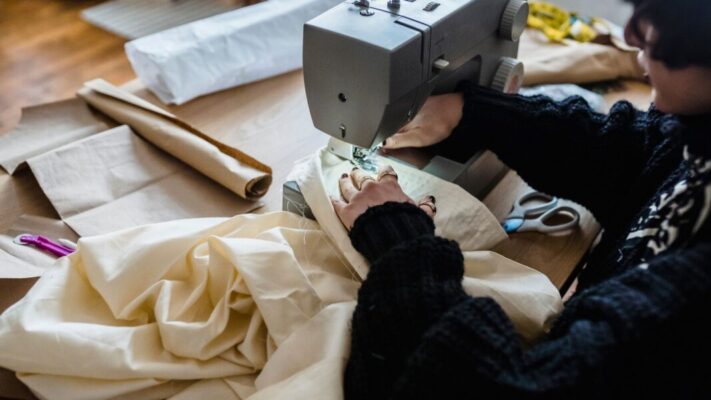
Garment factories and small workshops across Bali are also re-evaluating their internal processes to reduce plastic use during production. This includes minimizing plastic wrapping for fabrics, switching to natural or biodegradable threads, and replacing disposable plastic tools with reusable alternatives. Local manufacturing allows for greater transparency and control, enabling producers to identify and eliminate hidden sources of plastic that often go unnoticed in large-scale supply chains. These changes may seem incremental, but collectively they create a significant reduction in plastic waste while fostering a culture of accountability and care within the production environment.
Education as a Driving Force
Education plays a crucial role in sustaining the plastic-free fashion movement. Designers, artisans, and manufacturers actively share knowledge about alternative materials, waste reduction methods, and long-term environmental impacts. Consumers are also increasingly informed through storytelling, workshops, and transparent brand communication that explains why plastic-free choices matter. This shared understanding strengthens the movement by aligning values across creators and buyers. When people understand the consequences of plastic use and the benefits of alternatives, they are more likely to support and sustain responsible fashion practices.
Creativity Through Upcycling and Zero-Waste Design
Avoiding plastic often goes hand in hand with broader sustainability strategies such as upcycling and zero-waste design. In Bali, creativity thrives under constraints, and designers frequently transform fabric remnants and surplus materials into new garments or accessories. This approach reduces the need for additional raw materials while minimizing waste associated with overproduction. Plastic-free fashion, when combined with circular design thinking, demonstrates that environmental responsibility can inspire innovation rather than limit it. Each upcycled piece becomes a statement of both creativity and care for the environment.
Hospitality and Tourism Supporting the Movement
The influence of plastic-free fashion is increasingly visible in Bali’s hospitality sector. Hotels, resorts, and villas are choosing natural-fiber uniforms, eliminating plastic garment bags, and incorporating sustainable fashion into their brand identity. These choices not only reduce waste but also communicate values to guests, many of whom are drawn to Bali precisely because of its connection to nature and conscious living. Fashion becomes part of the guest experience, reinforcing sustainability as a lifestyle rather than a marketing claim.
A Collective Effort Toward Lasting Change
The movement toward plastic-free fashion in Bali is not driven by a single group or industry, but by a collective desire to protect the island’s future. Designers, manufacturers, consumers, and local initiatives work together to challenge conventional fashion practices and redefine what responsible clothing looks like. While challenges remain, the progress reflects a shared commitment to balance, respect, and long-term thinking. Plastic-free fashion in Bali represents a meaningful shift toward a more harmonious relationship between style and the environment. By reducing reliance on synthetic materials, rethinking packaging, improving manufacturing practices, and educating communities, the island’s fashion industry is proving that sustainability and creativity can coexist. This movement reflects Bali’s deeper values of balance and care, showing that fashion can be a powerful tool for environmental stewardship. In choosing plastic-free fashion, Bali is not only protecting its natural beauty but also setting an example of how conscious choices can shape a more responsible and inspiring future.