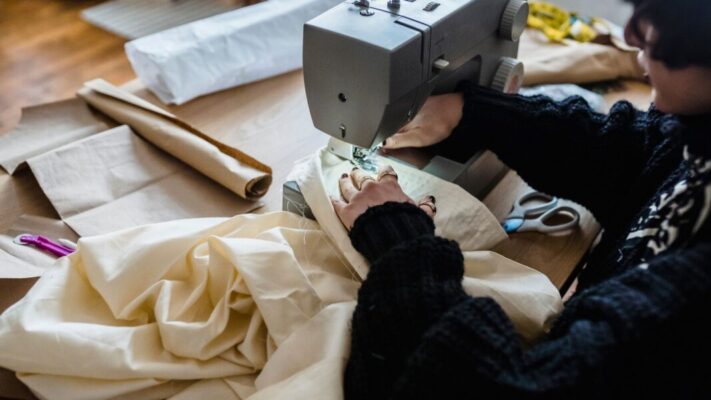
In Bali, sustainable fashion is not shaped by isolated brands or individual designers, it thrives through community. From artisans and small garment workshops to eco-conscious fabric suppliers and local dye houses, the island’s fashion ecosystem operates as a tightly knit network of collaboration. This sense of community ensures that ethical practices are not just theoretical ideals but actionable principles that influence every stage of production. By working together, stakeholders can share knowledge, resources, and skills, fostering a culture of innovation while maintaining sustainability as a central focus.
Preserving Heritage Through Shared Craftsmanship
The communal nature of Bali’s fashion industry plays a key role in preserving traditional techniques. Handweaving, natural dyeing, embroidery, and other artisanal skills are passed down through generations within families and local workshops. By engaging multiple artisans and integrating their expertise into sustainable fashion initiatives, the community ensures that these techniques continue to thrive. This collective approach also empowers artisans to collaborate on problem-solving, experiment with new ideas, and elevate their craft while retaining authenticity. The result is a vibrant ecosystem where cultural heritage and sustainability reinforce each other.
Collaborative Innovation for Eco-Conscious Practices
Community networks in Bali encourage collaboration that extends beyond individual brands. Designers, manufacturers, and eco-focused suppliers share research on low-impact fabrics, water-saving dyeing techniques, and zero-waste pattern making. These shared insights accelerate sustainable innovation, helping smaller brands and workshops adopt responsible practices without bearing the full burden alone. Collective problem-solving ensures that new solutions are tested, refined, and disseminated across the local fashion ecosystem, strengthening the island’s position as a hub for ethical and environmentally conscious production.
Supporting Local Economies Through Unity
The power of community is also evident in how sustainable fashion strengthens Bali’s local economy. Small workshops, cooperative production models, and artisan collectives benefit from increased opportunities when brands collaborate rather than compete destructively. By pooling resources and knowledge, these communities can scale production responsibly, maintain fair wages, and preserve environmental stewardship simultaneously. This synergy ensures economic benefits are widely distributed, supporting multiple households and creating resilience against market fluctuations or external pressures.
Mentorship and Skill-Sharing Within the Community
A vital component of Bali’s sustainable fashion growth is the mentorship and skill-sharing culture that exists among artisans and designers. Experienced craftspeople guide younger generations, passing on expertise in techniques like natural dyeing, tailoring, and pattern cutting. In turn, younger designers often bring innovative ideas and new perspectives, creating a dynamic cycle of learning and experimentation. This collaborative environment ensures that knowledge is not siloed, and that sustainable practices continue to evolve while respecting tradition.
Creating a Shared Identity Around Ethical Fashion
Community-driven initiatives also foster a shared identity around sustainability. When local designers, artisans, and producers collaborate, they collectively communicate a commitment to ethical production, conscious consumption, and cultural preservation. This shared vision attracts both international clients and mindful consumers who value authenticity and responsibility. The communal ethos transforms Bali’s fashion scene from a collection of individual actors into a recognizable movement that embodies both style and ethics.
Global Recognition Through Local Unity
By working together, Bali’s fashion communities amplify their global presence. Collaborative networks make it easier to engage with international brands, participate in ethical fashion showcases, and export responsibly produced garments. Through community, artisans gain visibility, access to new markets, and validation for their work, while global audiences benefit from authentic, sustainable fashion rooted in local culture. The strength of the community ensures that growth does not come at the expense of ethics, quality, or environmental responsibility.
Fostering Resilience and Long-Term Sustainability
The communal nature of Bali’s sustainable fashion ecosystem builds resilience. By relying on networks rather than isolated operations, brands and artisans can weather challenges like material shortages, production bottlenecks, or market fluctuations. This interdependence encourages long-term thinking, slow fashion practices, and careful resource management. Communities that support each other can maintain consistent ethical standards while scaling sustainably, creating a model of responsible fashion that is both practical and aspirational. The growth of sustainable fashion in Bali demonstrates that ethical production is not a solitary effort, it is a collective achievement. By embracing collaboration, mentorship, shared resources, and cultural preservation, the island’s fashion communities have created an ecosystem where style, sustainability, and social impact coexist harmoniously. The power of community ensures that every garment tells a story beyond design, reflecting the values, skills, and shared vision of the people who make it. In Bali, community is not just support; it is the backbone of conscious, responsible, and enduring fashion.