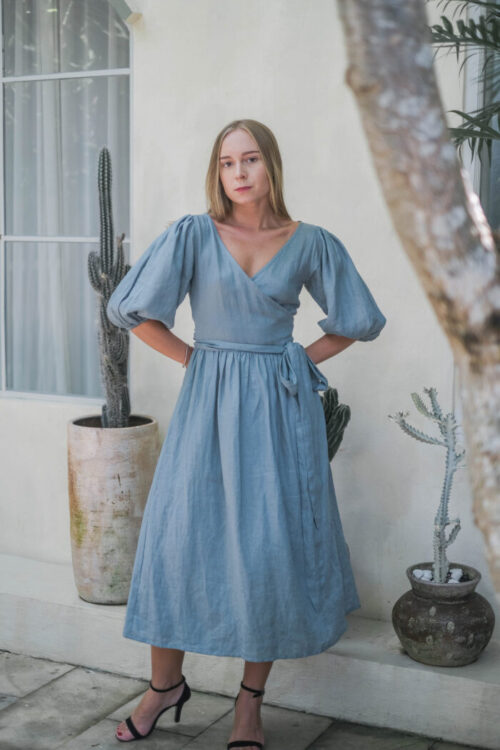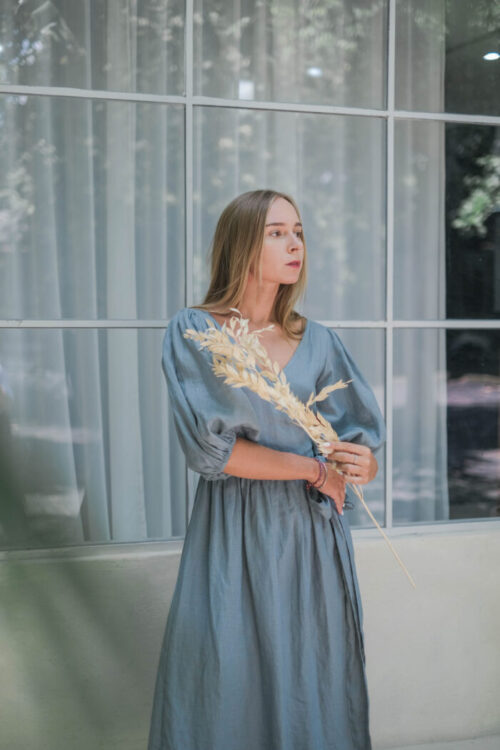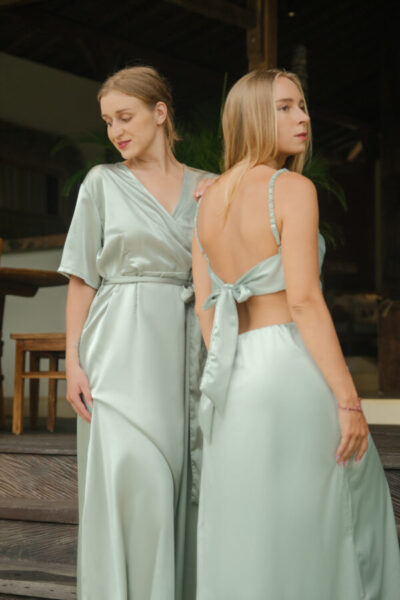
High-quality linen begins its journey in the flax fields. Flax plants are carefully cultivated for their long, strong fibers, which are harvested at peak maturity. The quality of the fiber directly impacts the softness, durability, and appearance of the final fabric. Once harvested, the stalks undergo a controlled process that separates the fibers from the plant’s stem using moisture and natural decomposition. This traditional step is crucial in ensuring that only the strongest, most flexible fibers are retained for weaving.
Spinning Fibers into Yarn
After retting and drying, the flax fibers are cleaned and combed to align them in parallel. The fibers are then spun into yarn, a step that requires precision to maintain consistency and strength. High-quality yarn ensures even texture and prevents weak spots that could compromise the garment. The way the yarn is spun also influences the softness and drape of the final linen fabric, which is critical for apparel that needs to balance structure and flow.
Weaving or Knitting the Linen Fabric
Once spun, the linen yarn is woven or knitted into fabric. Weaving creates structured, breathable fabric with a natural texture, while knitting produces softer, stretchier material ideal for casual or lightweight garments. Throughout this stage, attention to thread count, density, and uniformity is essential. Skilled weaving preserves linen’s durability while allowing the natural breathability that makes it so desirable for clothing in warm climates like Bali.
Dyeing, Finishing, and Texture Enhancement
After weaving, the fabric undergoes dyeing and finishing processes. Natural and low-impact dyes are often preferred for high-quality linen to maintain fiber integrity and sustainability. Finishing techniques can include softening, brushing, or washing to enhance drape, texture, and overall feel. These processes also ensure the fabric remains resistant to shrinkage, retains color vibrancy, and develops the subtle softness that linen is known for. Each finishing choice contributes to the luxury and longevity of the final garment.
Pattern Making and Cutting
Once the fabric is ready, designers create patterns that define the garment’s fit, silhouette, and proportions. High-quality linen apparel requires precise patterning to accommodate the natural drape and behavior of the fabric. Cutting is done carefully to maximize fabric usage and maintain consistency. Attention to detail in this stage ensures that seams, hems, and shapes retain both function and aesthetic appeal.
Skilled Sewing and Construction
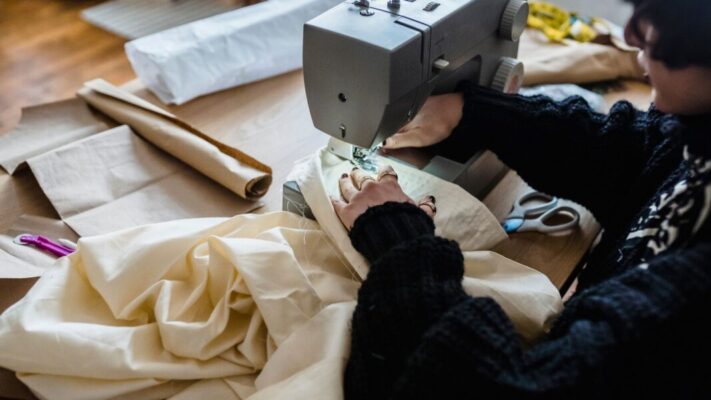
The final assembly of linen garments demands skilled craftsmanship. Experienced seamstresses and tailors follow construction specifications closely, ensuring each stitch contributes to the durability and polish of the piece. Reinforcements at stress points, precise alignment of seams, and careful finishing elevate the garment from fabric to wearable art. High-quality linen clothing is a balance of technical accuracy and aesthetic intuition, reflecting both expertise and attention to detail.
Quality Control and Final Inspection
Before reaching customers, every linen garment undergoes rigorous quality control. Inspections assess stitching, fit, fabric behavior, and finishing. Any imperfections are addressed to maintain the high standard expected of premium linen apparel. This meticulous approach guarantees that each piece not only embodies comfort and style but also delivers lasting performance. High-quality linen apparel is the result of a thoughtful, multi-step process that honors both tradition and modern techniques. From flax fields to finished garments, every stage contributes to the fabric’s strength, texture, and breathability. The craftsmanship, precision, and care invested in each piece ensure that linen clothing remains a timeless choice, comfortable, elegant, and durable, perfectly suited to the demands of modern wardrobes and tropical climates alike.