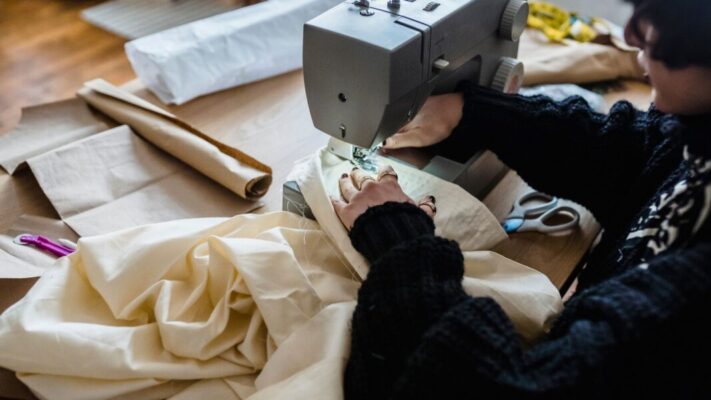
In recent years, the garment industry in Bali has undergone a quiet but meaningful transformation. What was once largely driven by speed, volume, and cost is now increasingly shaped by values such as transparency, fairness, and environmental responsibility. Ethical manufacturing in Bali did not emerge as a sudden trend, but as a gradual response to growing awareness both locally and globally about the true cost of clothing production. Designers, manufacturers, and consumers alike have begun to question not only how garments look, but how they are made, who makes them, and what impact they leave behind.
Cultural Values as the Foundation of Ethical Practice
Bali’s shift toward ethical manufacturing is deeply connected to its cultural philosophy, which emphasizes balance between people, nature, and work. This mindset naturally extends into production environments, where relationships and long-term sustainability are often valued more than short-term gain. Many local manufacturers operate on a human scale, fostering close-knit teams rather than anonymous labor forces. This approach creates space for fair wages, reasonable working hours, and mutual respect between workers and management. Ethical manufacturing in Bali is not only about compliance with standards, but about maintaining harmony within the production ecosystem itself.
Moving Away from Mass Production Models
Unlike traditional fashion hubs that rely heavily on mass production, Bali’s garment industry has increasingly embraced smaller-scale and flexible manufacturing models. Low minimum order quantities, made-to-order systems, and small-batch production allow factories to reduce waste while maintaining quality control. This shift has proven especially attractive to independent designers and boutique brands seeking ethical partners who prioritize craftsmanship over volume. By stepping away from excessive production, manufacturers can focus on detail, consistency, and responsible resource use key pillars of ethical manufacturing.
Ethical Labor and Transparent Workflows
One of the most significant aspects of Bali’s ethical manufacturing movement is its focus on labor conditions. Transparency has become a central value, with many manufacturers welcoming direct communication and long-term collaboration with brands. Workers are often trained across multiple skills, empowering them with versatility and career growth rather than repetitive, exploitative tasks. This environment supports pride in workmanship and strengthens accountability at every stage of production. Ethical manufacturing here is not hidden behind factory walls; it is visible, relational, and grounded in trust.
Conscious Material Choices and Reduced Environmental Impact
Ethical manufacturing in Bali also extends to material sourcing and production processes. Many manufacturers actively encourage the use of natural, biodegradable, or responsibly produced fabrics such as linen, cotton, rayon, and bamboo blends. These materials align with both environmental responsibility and the demands of a tropical climate. Efforts to minimize fabric waste, reuse off-cuts, and avoid harmful chemicals reflect a broader commitment to reducing environmental impact. Rather than viewing sustainability as an added cost, ethical manufacturers increasingly see it as an investment in long-term viability and brand credibility.
Collaboration with Conscious Brands and Designers
The rise of ethical manufacturing in Bali has been closely linked to the growth of conscious fashion brands seeking partners who share their values. Designers who prioritize sustainability often look beyond price alone, choosing manufacturers who offer transparency, flexibility, and ethical alignment. This collaboration fosters deeper creative partnerships, where manufacturers are involved not just in execution but in problem-solving and refinement. Ethical production becomes a shared responsibility, resulting in garments that reflect care, intention, and integrity from concept to completion.
Challenges and the Reality of Responsible Growth
Despite its progress, ethical manufacturing in Bali faces ongoing challenges. Balancing fair wages, quality materials, and sustainable practices with competitive pricing requires constant adjustment. Scaling production without compromising values is another delicate process, especially as global demand for ethical fashion increases. However, these challenges have encouraged innovation rather than retreat. Manufacturers continue to refine systems, invest in training, and adapt workflows that support responsible growth while staying true to their ethical foundations.
A New Standard for the Garment Industry
What makes Bali’s shift toward ethical manufacturing particularly significant is that it offers an alternative model for the global fashion industry. It demonstrates that production can be both commercially viable and socially responsible. By prioritizing people, environment, and craftsmanship, Bali’s garment sector challenges the assumption that ethical fashion must sacrifice efficiency or style. Instead, it shows that values-driven manufacturing can enhance quality, strengthen partnerships, and create garments with lasting meaning. The shift toward ethical manufacturing in Bali reflects a broader change in how fashion is understood and valued. No longer confined to niche markets, ethical production has become a defining feature of the island’s garment industry. Rooted in culture, supported by craftsmanship, and driven by conscious collaboration, this movement continues to grow with quiet confidence. As brands and consumers seek more responsible ways to engage with fashion, Bali stands as an example