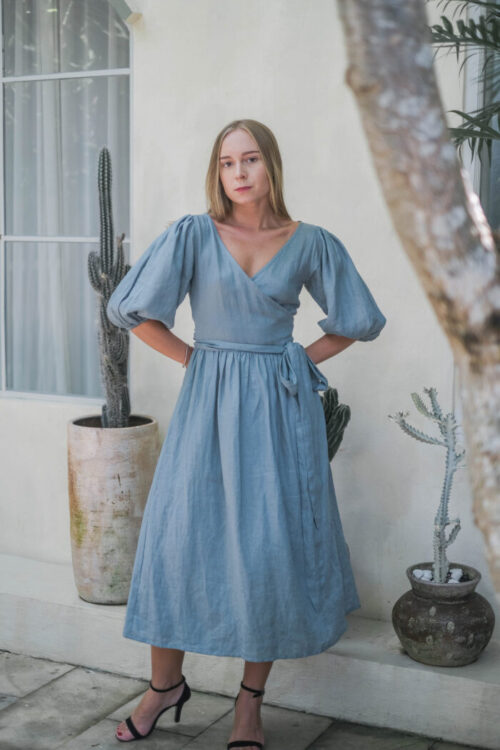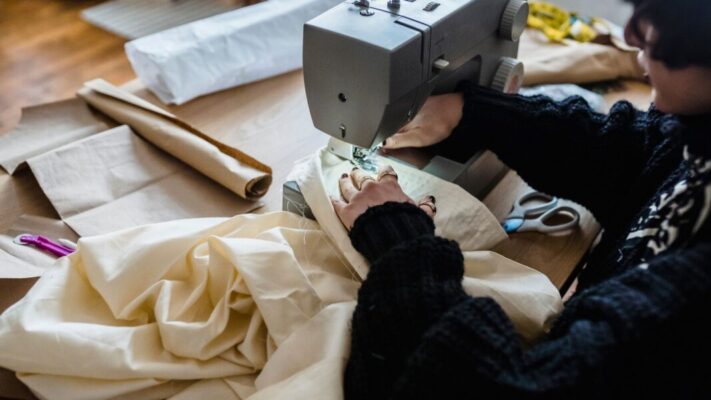
The green garment movement in Bali did not emerge from global fashion headlines or corporate sustainability campaigns. It grew quietly, shaped by the island’s long-standing relationship with nature, community, and balance. For generations, Balinese culture has emphasized harmony between people, the environment, and spiritual life. This philosophy naturally influenced how clothing was made, worn, and valued. Long before sustainability became a global conversation, local artisans were already working with natural fibers, hand processes, and small-scale production methods that respected both resources and labor. The modern green garment movement is, in many ways, a continuation of these deeply rooted practices rather than a sudden shift.
Traditional Craft as the Foundation
At the heart of Bali’s green garment movement lies traditional craftsmanship. Hand weaving, natural dyeing, and careful tailoring have been part of local textile culture for centuries. These methods rely on patience, skill, and a deep understanding of materials. Rather than producing large volumes quickly, artisans focused on quality, meaning, and longevity. As contemporary designers began to emerge in Bali, many looked back to these traditions for inspiration. They saw an opportunity to preserve heritage while adapting it to modern silhouettes and lifestyles. This fusion of old and new created garments that felt relevant yet timeless, allowing sustainability to be expressed through design rather than slogans.
The Influence of Nature on Material Choices
Bali’s environment has always dictated how people dress. The tropical climate demands breathable, lightweight fabrics that allow freedom of movement and comfort throughout the day. This practical need led designers and makers to favor natural materials such as linen, cotton, rayon, and bamboo blends. These fabrics not only suit the climate but also require fewer chemical processes compared to synthetics. As awareness of environmental impact grew, these material choices became central to the green garment movement. Designers realized that sustainability and functionality could coexist effortlessly, resulting in clothing that feels good to wear and aligns with responsible production values.
From Local Practices to Global Awareness
As Bali became a global destination, its lifestyle and aesthetics attracted designers, entrepreneurs, and conscious consumers from around the world. Many visitors were drawn to the island not just for its beauty, but for its slower pace and emphasis on mindful living. This exchange of ideas helped bring local sustainable practices into a broader context. Small workshops began collaborating with international brands and independent designers who shared similar values. Through these partnerships, Bali’s green garment movement expanded beyond the island, influencing global fashion conversations while remaining grounded in local ethics and craftsmanship.
The Rise of Ethical Small-Scale Production
Unlike traditional fashion hubs driven by mass production, Bali’s garment industry evolved around smaller, more flexible production models. Many factories and workshops chose to focus on low minimum orders, made-to-order systems, and careful quality control. This approach reduced waste, prevented overproduction, and allowed closer relationships between designers and makers. Ethical labor practices became a natural extension of this model, as smaller teams fostered transparency, fair working conditions, and mutual respect. The green garment movement thrived in this environment, proving that responsible production could also be commercially viable and creatively fulfilling.
Designers as Storytellers and Advocates
Bali’s green garment movement is also driven by designers who see themselves as storytellers rather than trend followers. Their collections often reflect themes of nature, balance, and simplicity, expressed through muted color palettes, fluid silhouettes, and tactile fabrics. Sustainability is not presented as a restriction but as a source of inspiration. By designing pieces meant to be worn repeatedly and styled in multiple ways, these designers challenge the idea of disposable fashion. Their work encourages consumers to slow down, invest in fewer garments, and build wardrobes that reflect personal values rather than fleeting trends.
Conscious Consumers Fueling the Movement
The growth of Bali’s green garment movement would not be possible without conscious consumers. People drawn to Bali’s lifestyle often seek clothing that mirrors their desire for intentional living. They value transparency, craftsmanship, and environmental responsibility, and they are willing to invest in garments that align with these principles. This shift in consumer mindset has allowed sustainable fashion to flourish organically. Rather than being driven by pressure, the movement is supported by genuine demand for clothing that feels meaningful, comfortable, and aligned with a broader way of life.
Challenges and Continued Evolution
Like any movement, Bali’s green garment industry faces challenges. Balancing affordability with ethical production, scaling responsibly, and maintaining quality as demand grows require constant reflection and adaptation. However, these challenges have also strengthened the movement, encouraging innovation in materials, processes, and collaboration models. Designers and manufacturers continue to explore new ways to reduce waste, improve efficiency, and support local communities without compromising their core values. This ongoing evolution keeps the movement dynamic and relevant. The story behind Bali’s green garment movement is ultimately a story of integrity. It is about honoring tradition while embracing change, respecting nature while creating beauty, and valuing people as much as products. Rather than following global fashion cycles, the movement grows from lived experience and cultural philosophy. As sustainability becomes increasingly important worldwide, Bali stands as a reminder that responsible fashion does not need to be loud or forced. When sustainability is woven naturally into lifestyle, design, and production, style follows effortlessly and meaningfully.