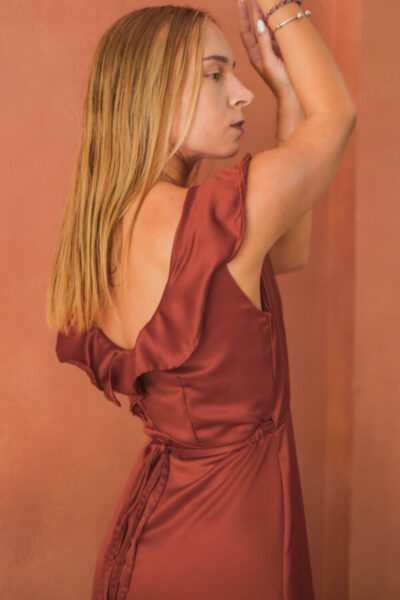
Rayon and viscose are closely related fabrics, both derived from natural cellulose fibers such as wood pulp or bamboo. Despite their similarities, they are often misunderstood or used interchangeably, even by brands and consumers. Rayon is a broader term describing semi-synthetic fabrics made from regenerated cellulose. Viscose is technically a type of rayon produced using the viscose process, which involves dissolving cellulose in chemicals to create a fiber that can be spun into yarn. Understanding these origins is crucial for designers, manufacturers, and consumers who want to make informed choices about fabric performance, sustainability, and garment care.
Differences in Texture and Feel
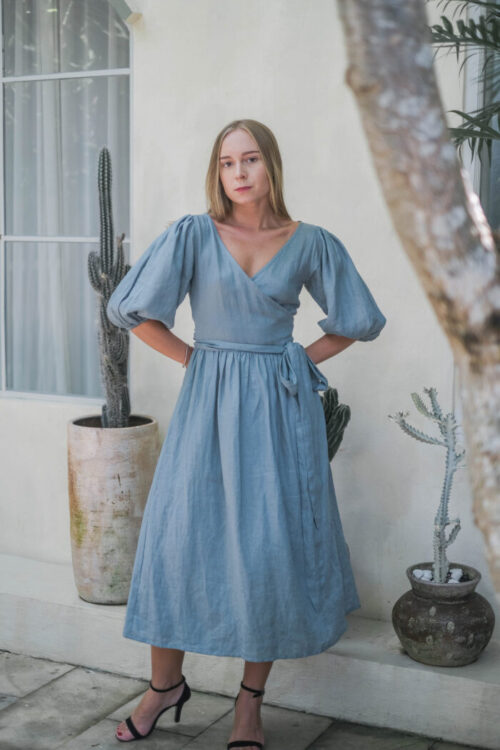
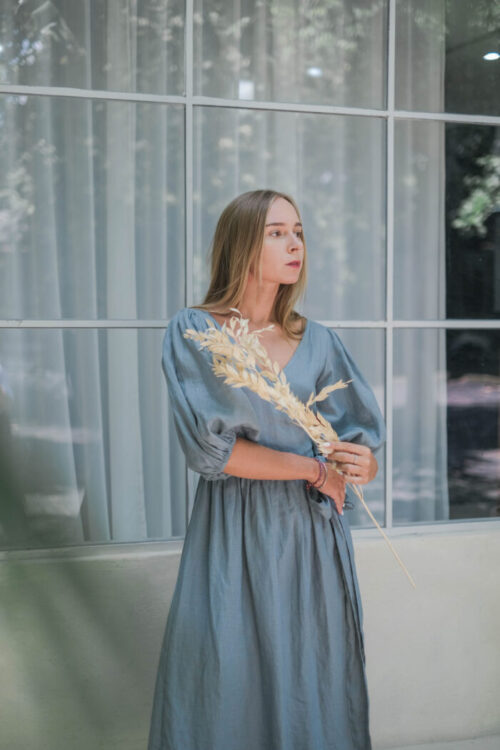
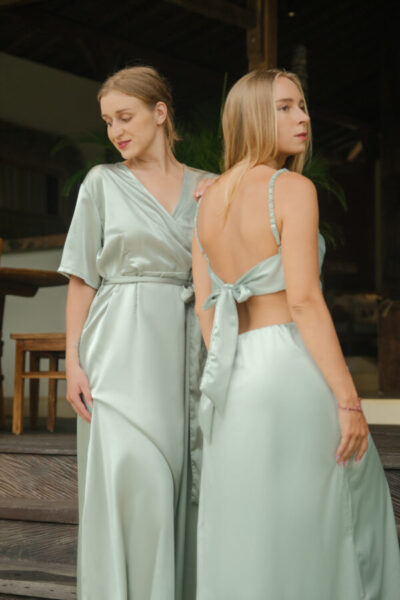
While both fabrics share a soft, smooth texture, subtle differences exist. Rayon typically offers a slightly more structured feel and can hold its shape better in certain weaves. Viscose, on the other hand, is known for its silk-like drape, fluidity, and lightweight softness. This distinction makes viscose ideal for flowy summer dresses, blouses, and resort wear that require elegant movement, whereas rayon can be used for garments that demand a balance of softness and structure, such as shirts, trousers, and tailored pieces. Designers often select between the two based on the intended silhouette and functionality of the garment.
Performance in Wear and Climate
Both rayon and viscose are breathable and comfortable, making them popular choices for warm-weather clothing. They absorb moisture efficiently, helping regulate temperature and keeping the wearer cool. However, viscose can be more delicate and prone to wrinkling or shrinking if not treated carefully, whereas some types of rayon, especially blends or heavier weaves—offer greater resilience. For tropical climates like Bali, this difference influences garment design and care recommendations. Manufacturers must consider how each fabric will behave over time and under repeated washing, sun exposure, and wear.
Sustainability Considerations
The production processes for rayon and viscose differ in environmental impact. Traditional viscose processing involves chemical treatments that may be harsh if not managed responsibly, while modern sustainable techniques, including eco-viscose, use closed-loop systems to minimize waste and chemical release. Rayon production varies depending on the source of cellulose and processing method. Both fabrics, when sourced responsibly, align with slow fashion principles due to their durability and natural origin. For fashion brands, understanding the nuances of each fabric’s sustainability profile is essential for ethical sourcing and transparent marketing.
Aesthetic Versatility
From a design perspective, rayon and viscose offer flexibility in patterns, colors, and finishes. Both fabrics absorb dyes exceptionally well, allowing for vibrant tropical prints, delicate pastels, or solid staples. Their smooth texture enhances embroidery, pleats, and layered designs. Viscose’s fluid drape makes it ideal for garments where elegance and movement are central, while rayon’s slightly firmer body can support structured pieces that maintain form. This aesthetic versatility ensures that both fabrics remain favorites among designers worldwide, particularly in summer, resort, and casual wear collections.
Care and Longevity
While soft and comfortable, both fabrics require mindful care. They should generally be washed on gentle cycles, air-dried, and stored in breathable environments to preserve their texture and longevity. Viscose may require slightly more attention to prevent shrinkage and maintain shape, whereas rayon blends often offer improved durability without compromising softness. Proper care ensures that garments continue to look and feel premium over time, supporting the slow fashion philosophy of long-lasting, meaningful clothing. Although rayon and viscose are often conflated, understanding their differences helps designers, manufacturers, and consumers make informed decisions. Viscose excels in fluidity, elegance, and lightweight softness, making it perfect for summer dresses, blouses, and resort wear. Rayon offers versatility, structure, and durability, supporting a wider range of garment types. Both fabrics are breathable, comfortable, and adaptable, reflecting the values of modern fashion that prioritize both style and function. By selecting the right fabric for each design, brands can create clothing that is not only visually appealing but also practical, sustainable, and long-lasting.