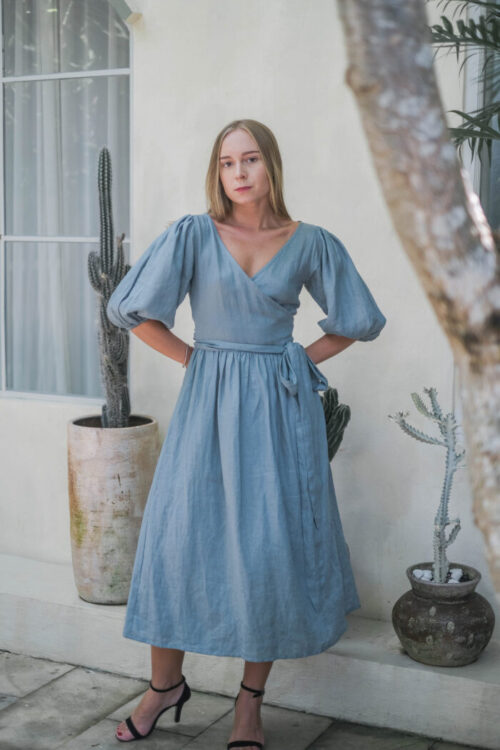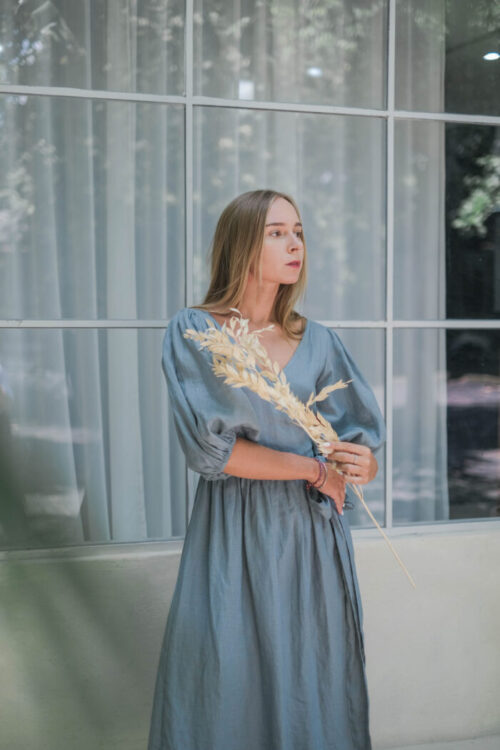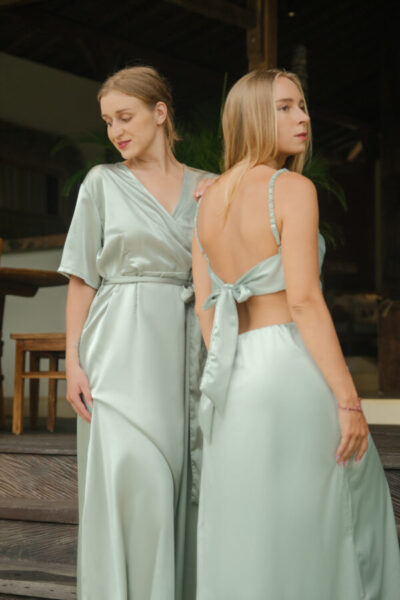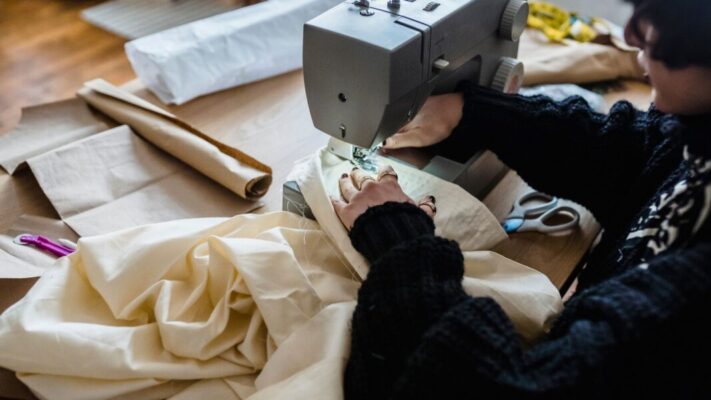
Linen is derived from the flax plant, a renewable resource that requires relatively little water, fertilizer, or pesticides compared to other natural fibers like conventional cotton. This low-resource cultivation makes linen inherently more sustainable, reducing the strain on ecosystems and conserving essential water supplies. Because flax plants can grow in diverse climates and soils, they often require fewer interventions, resulting in a smaller ecological footprint from the very start of production. For sustainable fashion brands, linen provides a reliable, environmentally responsible material that aligns with eco-conscious values.
Durable and Long-Lasting Quality
One of linen’s most eco-friendly attributes is its durability. Unlike fabrics that wear out quickly, linen is strong, resilient, and often improves with age. Its natural fibers become softer and more comfortable over time, extending the lifespan of garments and reducing the need for frequent replacements. Longer-lasting clothing means less textile waste, lower demand for production resources, and a smaller overall environmental footprint. For consumers seeking mindful fashion choices, linen’s longevity makes it a practical and responsible investment.
Biodegradability and Compostability
Another factor that positions linen as a sustainable choice is its biodegradability. At the end of its life cycle, linen can decompose naturally without leaving harmful residues in the soil or waterways. This contrasts with synthetic fabrics like polyester, which persist for decades and contribute to microplastic pollution. By choosing linen, designers and consumers support a circular approach to fashion, where materials return safely to the environment rather than accumulating as waste.
Energy-Efficient Production Processes
The processing of flax into linen typically requires less energy than the production of many other fabrics, particularly synthetics. Mechanical methods are often used to separate fibers, and many modern techniques have minimized chemical interventions. Linen’s energy efficiency, combined with its durability and natural properties, contributes to a significantly lower carbon footprint throughout its lifecycle from cultivation and manufacturing to transportation and eventual disposal.
Natural Comfort That Reduces Resource-Intensive Care
Linen’s breathable, moisture-wicking properties also contribute indirectly to sustainability. Clothing made from linen often requires less intensive washing and lower-temperature laundering compared to synthetic or heavily processed fabrics. This reduces water and energy consumption over the garment’s lifetime, further decreasing its environmental impact. By combining natural comfort with low-maintenance care, linen allows consumers to embrace a lifestyle that is both eco-conscious and practical.
Alignment With Ethical and Slow Fashion
Linen’s sustainable qualities make it a favorite in slow fashion and ethical clothing movements. Its natural origin, longevity, and low-impact production practices align perfectly with the principles of mindful consumption. Designers can create versatile, timeless pieces from linen that transcend fleeting trends, encouraging consumers to prioritize quality over quantity. This approach fosters a more conscious and environmentally responsible fashion culture, where every piece contributes positively to the planet. Linen’s combination of low-resource cultivation, durability, biodegradability, and energy-efficient processing makes it one of the most environmentally responsible fabric choices available today. Beyond its sustainability credentials, linen offers comfort, elegance, and versatility, proving that eco-friendly clothing can be stylish, practical, and enduring. For brands and consumers alike, embracing linen is a step toward a more sustainable fashion industry, where quality, conscience, and environmental stewardship coexist seamlessly.