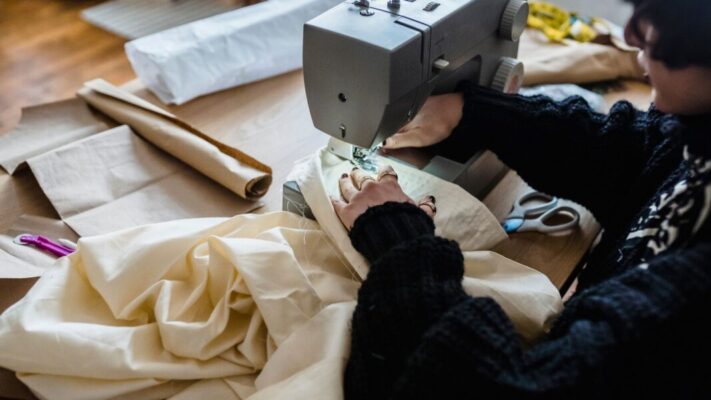
In garment manufacturing, sampling is one of the most critical stages before moving into mass production. It is the bridge between a design idea and a finished product that is ready to be produced at scale. While some brands view sampling as an optional or cost-heavy phase, experienced manufacturers understand that it plays a vital role in protecting quality, timelines, and investment. Sampling allows brands to test assumptions, validate design decisions, and identify potential issues early long before they become expensive problems during bulk production. Without this stage, mass production becomes a gamble rather than a controlled process.
Transforming Design Ideas into Real Garments
Designs often look perfect on paper or screen, but garments behave differently once fabrics are cut, sewn, and worn. Sampling turns sketches, mood boards, and technical drawings into physical pieces that can be seen, touched, and tested. Through sampling, brands gain clarity on proportions, drape, structure, and overall silhouette. Small design details that seem insignificant in concept can have a major impact once translated into fabric. Sampling ensures that creative vision aligns with reality before committing to large production quantities.
Fit, Comfort, and Wearability Validation
One of the most important purposes of sampling is fit testing. Fit issues are among the most common and costly problems in garment production, especially for new brands. Sampling allows designers and manufacturers to assess how a garment fits different body types, how it moves with the wearer, and how comfortable it feels during extended use. Adjustments made at the sampling stage are far easier and more cost-effective than changes during mass production. This process helps ensure that the final product meets customer expectations and reduces the risk of returns or dissatisfaction.
Evaluating Fabric Behavior and Construction Quality
Sampling also reveals how fabrics behave when constructed into garments. Certain fabrics may shrink, stretch, wrinkle, or drape differently than expected. Stitching techniques, seam finishes, and reinforcements can be tested to determine durability and comfort. By reviewing samples, brands can assess whether the chosen materials are suitable for the garment’s purpose and price point. This is particularly important for garments intended for frequent wear or demanding environments, where construction quality directly affects product lifespan.
Mass production amplifies every mistake. An issue that affects one sample can affect hundreds or thousands of units once production begins. Sampling serves as a risk-control mechanism, allowing problems to be identified and corrected before they scale. Errors related to measurements, pattern grading, fabric selection, or construction methods can be resolved during sampling, saving brands from costly rework, delays, or unsellable inventory. In this way, sampling is not an added expense but a form of insurance for production.
Improving Communication Between Brands and Manufacturers
Sampling creates a shared reference point between brands and manufacturers. Instead of relying solely on written instructions or visual references, both parties can review a physical garment and discuss specific details with clarity. This process strengthens collaboration and reduces misunderstandings. Feedback becomes more precise, revisions are easier to communicate, and expectations are aligned before moving forward. Clear communication at this stage leads to smoother workflows and more predictable outcomes during bulk production.
Building Consistency for Scalable Production
Consistency is essential when producing garments at scale. Approved samples become the benchmark for mass production, guiding measurements, construction, and finishing standards across all units. By refining samples thoroughly, brands establish a clear standard that manufacturers can replicate reliably. This consistency protects brand reputation and ensures customers receive the same quality across every piece, regardless of production volume.
Supporting Smarter Business Decisions
Sampling also informs important business decisions beyond design and production. It helps brands accurately estimate costs, set pricing, and plan inventory. Seeing and testing a sample allows brands to assess whether a product aligns with their target market and brand positioning. For emerging brands, this insight is invaluable. Sampling provides confidence before committing resources to large production runs, helping brands grow sustainably rather than reactively. Sampling is not just a technical requirement, it is a strategic investment in product quality, brand credibility, and long-term success. It transforms ideas into tested, reliable garments and minimizes risk before scaling production. By prioritizing sampling, clothing brands create a stronger foundation for mass production. The result is better fit, improved quality, smoother collaboration with manufacturers, and garments that truly reflect the brand’s vision. In fashion production, taking the time to sample properly is one of the most important decisions a brand can make before moving forward.