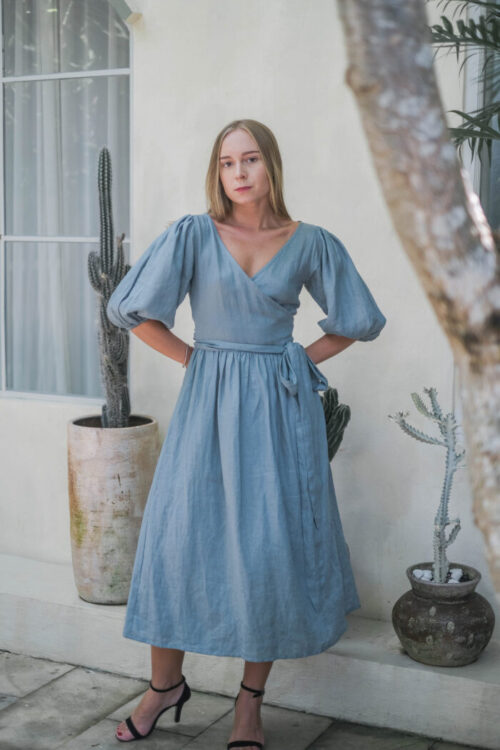
Zero waste fashion in Bali does not emerge from trend forecasting or marketing strategies, but from a long-standing cultural relationship with balance and resourcefulness. Designers on the island grow up with the understanding that materials are valuable and should be used with intention. This mindset naturally translates into fashion practices that prioritize minimizing waste at every stage of production. In a place where nature, spirituality, and daily life are closely connected, throwing away usable resources is seen not only as inefficient but also as disrespectful. This philosophy forms the foundation of how zero waste fashion takes shape in Bali.
Designing with Fabric Efficiency in Mind
One of the most important ways Bali designers achieve zero waste fashion is by rethinking the design process itself. Instead of creating designs first and dealing with fabric waste later, they design garments around fabric dimensions from the very beginning. Patterns are carefully planned so that each piece fits together like a puzzle, reducing leftover scraps. This approach requires a high level of technical skill and creativity, as designers must balance aesthetics, fit, and function while working within strict material limits. The result is clothing that feels intentional, thoughtful, and deeply connected to the making process.
Small-Batch Production Reducing Excess
Zero waste fashion in Bali is closely linked to small-batch and made-to-order production. By producing garments in limited quantities, designers avoid the common industry problem of overproduction. This allows them to use fabric more efficiently and prevents excess stock from ending up as waste. Small-batch production also encourages experimentation and refinement, as designers can adjust patterns and techniques without committing to large-scale runs. This slower pace supports sustainability while allowing creativity to flourish without pressure from mass-market demands.
Creative Use of Fabric Offcuts
Rather than discarding leftover fabric pieces, Bali designers often treat offcuts as creative opportunities. Smaller fabric remnants are transformed into accessories, trims, linings, patchwork details, or entirely new garments. This practice not only reduces waste but also adds unique character to each collection. Pieces made from offcuts often carry a handcrafted feel that appeals to conscious consumers seeking individuality and authenticity. By viewing waste as a design resource, designers challenge conventional ideas of perfection and uniformity in fashion.
Handcrafted Techniques Supporting Zero Waste
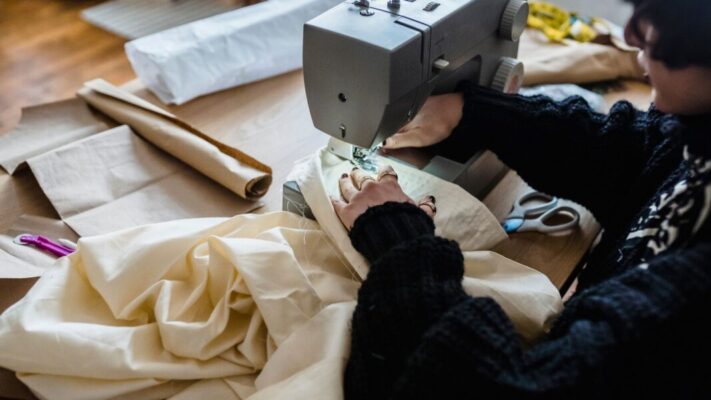
Many zero waste practices in Bali are supported by handcrafted production methods. Hand cutting, hand sewing, and manual finishing allow for greater control over materials compared to automated processes. Artisans can adjust techniques in real time, ensuring that fabric is used efficiently and mistakes are minimized. This human-centered approach also creates flexibility, making it easier to adapt designs to available materials rather than forcing materials to fit rigid production systems. Handcrafted techniques naturally align with zero waste principles because they prioritize care, precision, and adaptability.
Natural Fabrics That Align with Waste Reduction
The choice of materials plays a significant role in Bali’s zero waste fashion movement. Designers often work with natural fabrics such as linen, cotton, and rayon derived from plant-based sources. These materials are easier to repurpose, biodegrade, or recycle compared to synthetic alternatives. When fabric waste does occur, its environmental impact is significantly lower. Using natural fibers also encourages designers to think long-term, creating garments meant to last rather than disposable pieces that quickly lose value.
Collaboration Between Designers and Makers
Zero waste fashion in Bali thrives on close collaboration between designers, pattern makers, and garment producers. Instead of working in isolation, these roles are interconnected throughout the creative process. Open communication allows teams to solve problems together, finding ways to reduce waste without compromising design integrity. This collaborative environment fosters innovation, as solutions often emerge through shared experience and experimentation rather than standardized procedures. Such relationships are essential for maintaining consistency and sustainability across collections.
Education and Awareness Driving Change
Many Bali designers actively educate their teams and customers about zero waste principles. Within workshops and studios, knowledge about fabric efficiency, cutting techniques, and material reuse is shared openly. For consumers, storytelling becomes an important part of the garment’s value. Understanding how a piece was made, why certain design choices were taken, and how waste was minimized creates a deeper emotional connection to clothing. This awareness encourages more mindful consumption and supports the long-term success of zero waste fashion.
A Model for the Future of Ethical Fashion
Zero waste fashion in Bali demonstrates that sustainability does not limit creativity, but enhances it. By working within constraints, designers are pushed to think more deeply about form, function, and purpose. The result is fashion that feels honest, innovative, and respectful of both people and the environment. As the global fashion industry searches for more responsible production models, Bali’s approach offers a powerful example of how cultural values, craftsmanship, and conscious design can come together to create meaningful change.