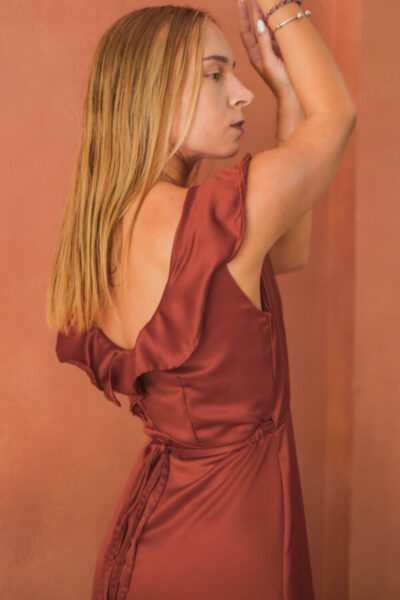
In a place where nature, tradition, and daily life are deeply connected, it is no surprise that linen has become one of the most loved fabrics in Bali. The island’s warm climate, relaxed lifestyle, and growing awareness of sustainability have shaped the way people dress and design clothing. Linen fits effortlessly into this environment. It reflects Bali’s easygoing rhythm while meeting modern expectations for comfort, durability, and responsible production. More than just a fabric trend, linen has become a natural extension of how Bali lives, works, and creates.
Comfort Designed for Tropical Living
Bali’s tropical weather demands fabrics that can breathe, move, and adapt throughout the day. Linen’s natural fibers allow air to circulate freely, helping regulate body temperature in humid conditions. This breathability makes linen especially suitable for long days under the sun, whether worn by resort staff, designers, or everyday island residents. Unlike heavier or synthetic materials, linen feels light against the skin and absorbs moisture without clinging, keeping the wearer comfortable even during the hottest hours. Over time, linen becomes softer with wear, enhancing comfort rather than losing its shape or quality, which makes it ideal for both daily use and professional uniforms.
Sustainability Rooted in Nature
One of the strongest reasons linen has earned its place as Bali’s favorite sustainable fabric lies in its environmental benefits. Linen is made from flax, a plant that requires significantly less water and fewer chemicals compared to many other textile crops. The production process is efficient, with much of the plant usable, resulting in minimal waste. For Bali, an island increasingly focused on preserving its natural resources, linen aligns with a broader commitment to sustainability and environmental balance. Choosing linen reflects a shift away from fast fashion and toward materials that respect both land and longevity.
Aesthetic Simplicity and Natural Beauty
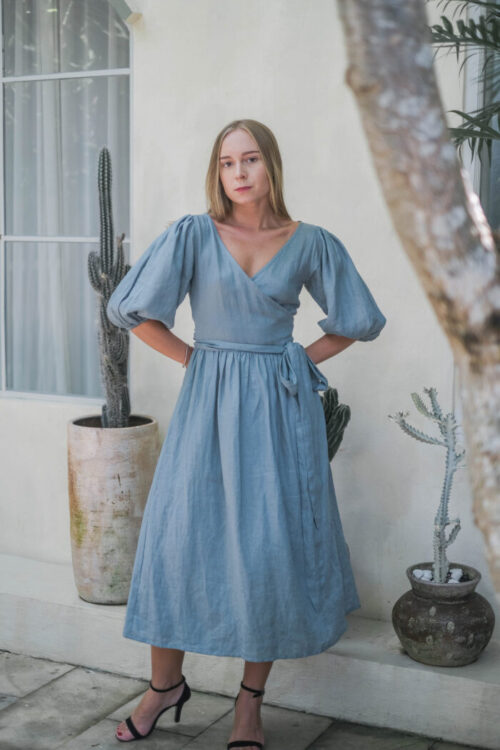
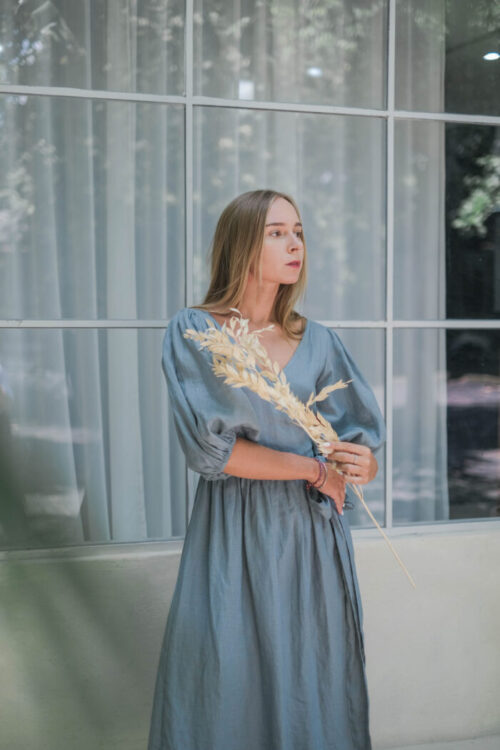
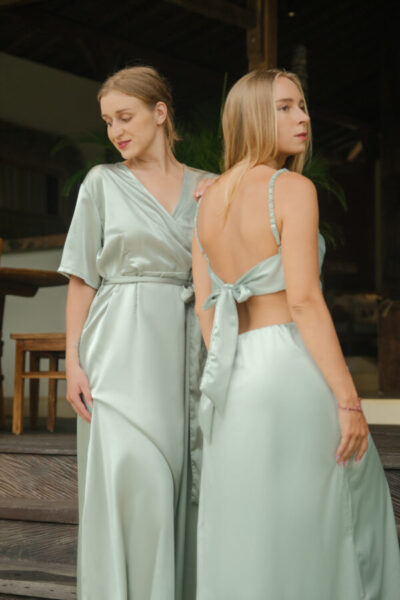
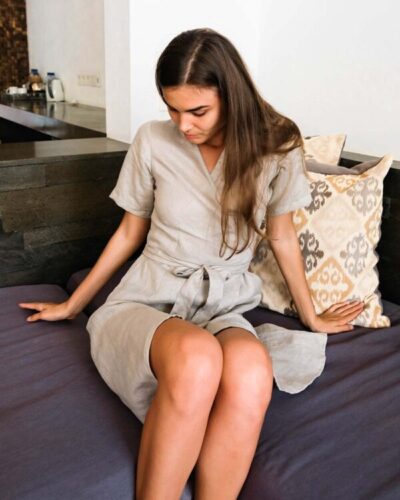
Linen’s visual character is closely aligned with Bali’s aesthetic sensibilities. Its soft texture, subtle creases, and organic drape echo the island’s natural landscapes and architectural style. Rather than striving for perfection, linen celebrates imperfection, which resonates with Bali’s appreciation for authenticity and handmade beauty. This relaxed elegance allows linen garments to feel refined without appearing rigid or overly styled. Whether used in resort wear, villa uniforms, or casual everyday clothing, linen offers a timeless look that feels effortless and honest, qualities deeply valued in Balinese design culture.
A Fabric That Supports Slow Fashion
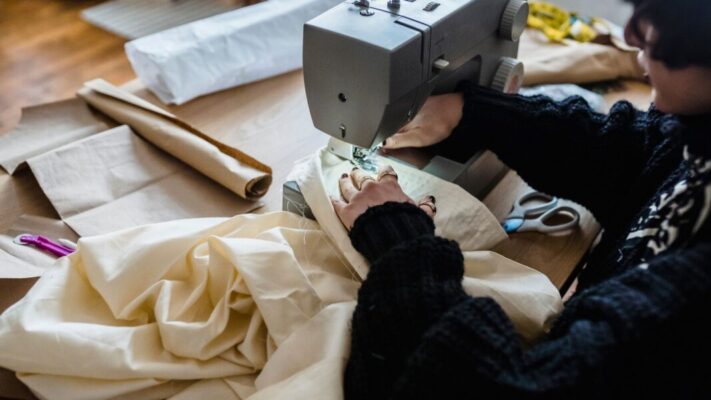
As slow fashion gains momentum, linen continues to stand out as a material that supports mindful consumption. Linen garments are designed to last. Their durability reduces the need for frequent replacement, encouraging a more intentional approach to wardrobe building. In Bali, where many designers and manufacturers prioritize quality over quantity, linen fits naturally into small-batch production and made-to-order systems. These practices help reduce overproduction and fabric waste while allowing garments to be crafted with care. Linen’s long lifespan supports the idea that clothing should evolve with the wearer, not be discarded after a season.
Versatility Across Fashion and Function
Linen’s popularity in Bali is also driven by its versatility. It adapts easily across different garments and purposes, from relaxed shirts and flowing dresses to structured uniforms and tailored resort wear. Designers appreciate linen’s ability to hold shape while remaining breathable, allowing it to work in both minimalist designs and more detailed silhouettes. In hospitality settings, linen uniforms convey professionalism while maintaining comfort and approachability. In everyday fashion, linen transitions effortlessly from beachside mornings to evening gatherings, making it a practical and stylish choice for island life.
Aging Gracefully With Time
Unlike many fabrics that show wear quickly, linen improves with age. Repeated washing and use soften the fibers, creating garments that feel personal and lived-in without losing strength. This aging process adds character rather than diminishing value, reinforcing linen’s timeless appeal. In a culture that values longevity and meaningful ownership, linen garments often become staples rather than seasonal items. Each piece tells a story through wear, reflecting both the wearer’s lifestyle and the fabric’s natural resilience.
Linen in Bali’s Contemporary Fashion Scene
Today, linen plays a central role in Bali’s evolving fashion and manufacturing landscape. Designers reinterpret it through modern cuts, thoughtful detailing, and innovative blends while preserving its natural essence. Manufacturers embrace linen for its compatibility with ethical production methods and low-impact processes. As global interest in sustainable fashion grows, Bali’s long-standing relationship with linen positions the island as a source of garments that balance beauty, comfort, and responsibility. Linen becomes not just a material choice, but a statement of values shared by creators, brands, and consumers alike.
A Fabric That Reflects Island Values
Linen’s deep connection to Bali goes beyond climate suitability or design preference. It represents a shared philosophy rooted in simplicity, respect for nature, and mindful living. As fashion continues to evolve, linen remains constant, adapting quietly while staying true to its origins. Its presence in Bali’s wardrobes, resorts, and workshops reflects an island-wide appreciation for materials that feel good to wear, kind to the environment, and timeless in style. Linen is not just loved in Bali; it belongs there.