In a world dominated by fast fashion and mass production, handmade clothing stands as a quiet but powerful response. Ethical fashion is not only about sustainable materials or eco-friendly labels, but also about how garments are made and who makes them. Handmade clothing brings the production process back to a human scale, where time, care, and intention are valued over speed and volume. Each piece reflects a slower rhythm that challenges the disposable mindset encouraged by industrial fashion systems, reminding us that clothing can carry meaning beyond trends.
Craftsmanship That Preserves Skill and Heritage
Handmade clothing plays a crucial role in preserving traditional skills and artisanal knowledge that might otherwise disappear. Many ethical fashion movements are rooted in craftsmanship passed down through generations, where techniques are refined through experience rather than automation. These skills create garments with character and subtle imperfections that tell a story. In ethical fashion, this preservation of craft is not nostalgic—it is an active choice to protect cultural heritage while offering an alternative to uniform, machine-made products.
Human-Centered Production and Fair Labor
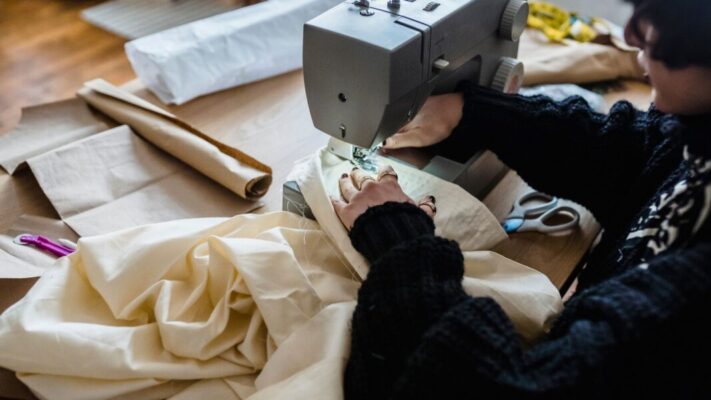
At the heart of handmade clothing is the human hand, and ethical fashion places that human at the center of the production process. Unlike mass manufacturing, handmade production often involves small teams or individual makers who are visible, acknowledged, and fairly compensated. This transparency creates accountability and respect within the supply chain. Ethical fashion thrives when workers are not reduced to anonymous labor, but recognized as skilled contributors whose well-being directly influences the quality and integrity of the final garment.
Quality, Longevity, and Emotional Value
Handmade clothing is often created with durability in mind. When a garment takes time to produce, it is rarely designed to be worn only a few times. Ethical fashion emphasizes longevity, encouraging consumers to build wardrobes with pieces that last physically and emotionally. Handmade garments tend to be repaired, cherished, and worn repeatedly, forming personal connections that mass-produced items rarely achieve. This emotional value plays an important role in sustainability by reducing the cycle of constant consumption and disposal.
Reduced Environmental Impact Through Small-Scale Making
Ethical fashion benefits from the smaller environmental footprint associated with handmade clothing. Small-batch or made-to-order production limits excess inventory and fabric waste. Makers are often more conscious of material usage, choosing natural or responsibly sourced fabrics and minimizing unnecessary processes. Without the pressure of high-volume output, handmade production allows for thoughtful decisions at every stage, resulting in garments that respect both resources and ecosystems.
Transparency That Builds Trust
Handmade clothing naturally lends itself to transparency, a key principle of ethical fashion. When production happens on a small scale, it becomes easier to trace who made the garment, how it was constructed, and where materials came from. This openness builds trust between makers and consumers, shifting fashion away from anonymous supply chains toward honest storytelling. Ethical fashion relies on this trust, as consumers increasingly seek authenticity rather than marketing-driven sustainability claims.
Slowness as a Radical Ethical Choice
In ethical fashion, slowness is not a weakness but a strength. Handmade clothing embraces time as an essential ingredient, allowing ideas to develop fully and mistakes to be corrected with care. This slower pace supports better design decisions and reduces pressure on workers and resources. Choosing handmade is a radical ethical choice in an industry obsessed with speed, proving that fashion can exist without constant urgency or excess.
A Deeper Connection Between Wearer and Maker
Perhaps the greatest power of handmade clothing lies in the connection it creates. Ethical fashion is about relationships between people, materials, and values. When consumers wear handmade garments, they often feel closer to the maker and the process behind the piece. This awareness fosters respect for clothing and encourages mindful consumption. Fashion becomes less about accumulation and more about appreciation.
Handmade Clothing as the Soul of Ethical Fashion
Handmade clothing embodies the core values of ethical fashion: respect, responsibility, and intention. It supports fair labor, preserves craftsmanship, reduces environmental impact, and creates garments meant to be loved for years. In an industry searching for more sustainable paths forward, handmade clothing offers not just an alternative method of production, but a deeper philosophy one that honors the human hand, the time it takes to create, and the lasting value of doing things with care.