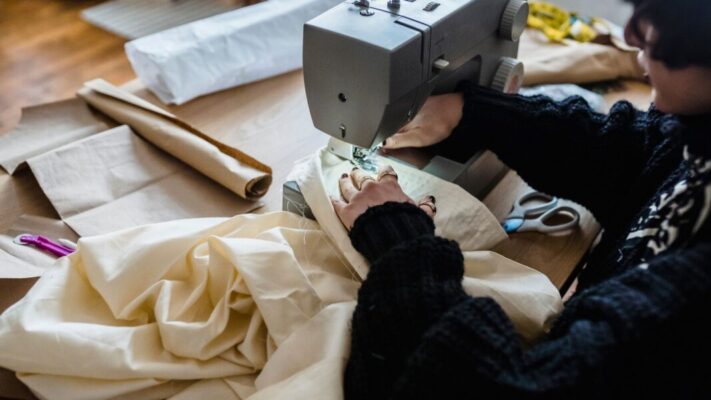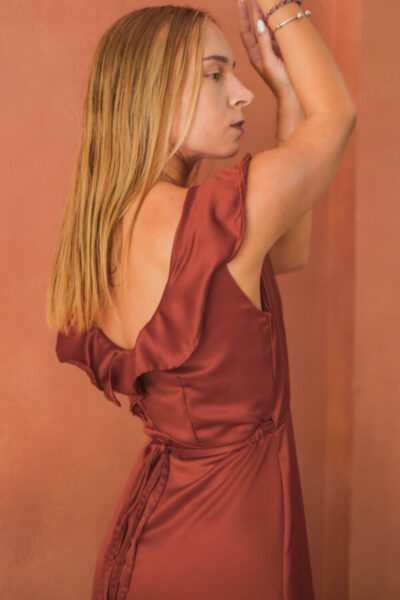
Linen is one of the oldest textiles known to humanity, yet its relevance feels stronger than ever in today’s fashion landscape. As the industry faces increasing pressure to reduce its environmental impact, materials that have stood the test of time are being re-evaluated through a modern sustainability lens. Linen, made from flax fibers, represents a rare combination of tradition and progress. Its long history proves its durability and versatility, while its natural qualities align seamlessly with the future of responsible fashion. Rather than being reinvented, linen is being rediscovered as a fabric that already embodies many of the values modern consumers are seeking.
Low Environmental Impact by Nature
One of the strongest reasons linen is considered the fabric of the future is its inherently low environmental footprint. Flax plants require significantly less water than many other fiber crops and can grow in poor soil conditions without heavy reliance on chemical fertilizers or pesticides. Almost every part of the flax plant can be used, reducing agricultural waste at the source. This efficiency makes linen production far less resource-intensive compared to conventional textiles. As water scarcity and soil degradation become global concerns, fabrics that demand less from the planet naturally move to the forefront of sustainable fashion.
Durability That Supports Long-Term Wear
Sustainability in fashion is not only about how a fabric is produced, but also how long it lasts. Linen is known for its exceptional strength, often outlasting other natural fibers when properly cared for. Garments made from linen are less likely to tear, stretch out of shape, or deteriorate quickly. This durability supports a shift away from disposable fashion toward wardrobes built on longevity. When consumers invest in linen pieces, they are choosing garments designed to be worn repeatedly across seasons, reducing the need for constant replacement and excessive consumption.
Breathability and Comfort for Modern Lifestyles
As lifestyles evolve toward comfort-driven fashion, linen offers qualities that feel increasingly relevant. Its breathable structure allows air to circulate freely, helping regulate body temperature in warm climates and layered outfits alike. Linen absorbs moisture efficiently while remaining light on the skin, making it ideal for everyday wear, travel, and resort environments. These functional benefits mean linen garments are worn more often, not reserved for special occasions. Clothing that integrates easily into daily life naturally supports sustainability, as frequently worn pieces deliver greater value over time.
Aging Gracefully Instead of Wearing Out
Unlike many fabrics that lose appeal as they age, linen develops character through wear. With time and washing, the fibers soften while maintaining their structural integrity. Creases become part of its aesthetic rather than flaws to be hidden. This graceful aging process encourages a healthier relationship with clothing, where garments are appreciated for their evolution rather than discarded at the first sign of wear. In a fashion culture increasingly focused on emotional durability, linen supports the idea that clothing can tell a story and grow alongside the wearer.
Alignment with Slow Fashion Principles
Linen fits naturally into the philosophy of slow fashion, which values mindful production, ethical labor, and thoughtful consumption. The processes involved in producing high-quality linen often favor craftsmanship over speed, aligning with smaller-scale manufacturing and artisanal techniques. Designers working with linen tend to emphasize timeless silhouettes rather than trend-driven designs, ensuring garments remain relevant beyond a single season. This approach challenges the fast fashion cycle and supports a more balanced, intentional industry model.
Adaptability Across Styles and Markets
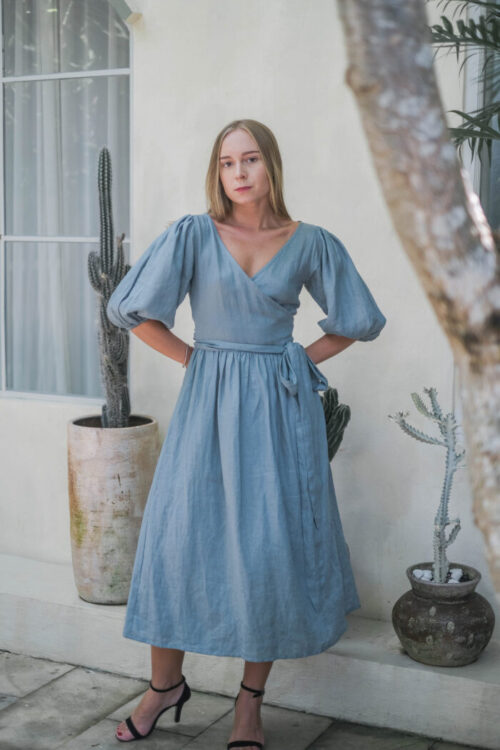
Another reason linen is shaping the future of sustainable fashion is its versatility. It can be tailored, structured, or left flowing depending on design intent. Linen works across casual wear, resort collections, contemporary minimalism, and even refined uniforms. Its adaptability allows designers to create cohesive collections using fewer fabric types, simplifying supply chains and reducing excess. From relaxed silhouettes inspired by tropical environments like Bali to modern urban wardrobes, linen transitions effortlessly across markets and lifestyles.
Consumer Demand for Transparency and Natural Materials
Modern consumers are increasingly informed and selective about what they wear. There is growing demand for transparency, natural materials, and fabrics that feel honest in both origin and performance. Linen meets these expectations without heavy processing or synthetic enhancement. Its texture, weight, and appearance clearly communicate its natural roots. As shoppers move away from artificial finishes and toward authenticity, linen stands out as a fabric that does not need to be disguised or over-marketed to prove its value.
A Future Built on Simplicity and Responsibility
The future of fashion is moving toward simplicity, responsibility, and connection to natural systems. Linen embodies all three. It requires less intervention to grow, offers comfort and durability in wear, and supports production models that value quality over quantity. Rather than relying on new technologies alone, sustainable fashion’s future will also be shaped by rediscovering materials that already work in harmony with the environment. Linen is not a passing trend or niche solution. It is a fabric that quietly answers many of the industry’s biggest challenges. Linen’s growing role in sustainable fashion is not accidental. It reflects a broader shift in how fashion defines value, success, and responsibility. By offering durability, comfort, low environmental impact, and timeless appeal, linen proves that the future of fashion does not always require innovation from scratch. Sometimes, it lies in refining and respecting what has existed all along. As brands and consumers continue to rethink their choices, linen stands ready not just as a fabric of the past, but as a cornerstone of fashion’s more sustainable future.