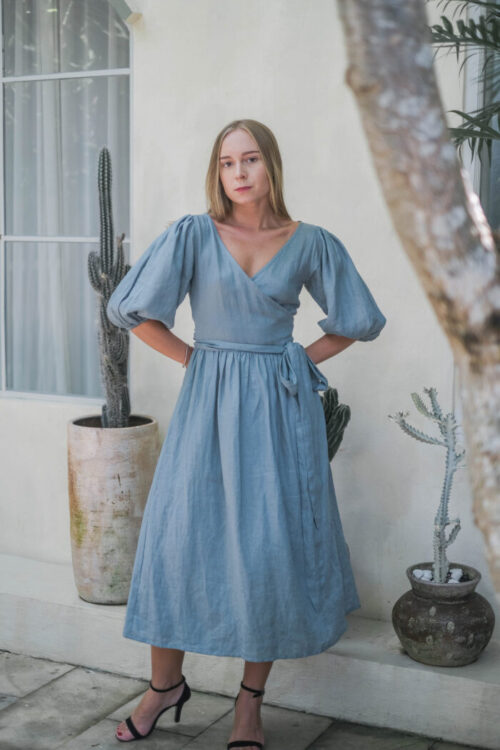
In Bali, spirituality is woven into the fabric of daily life, influencing everything from rituals and ceremonies to personal choices and creative expression. This holistic approach naturally extends to fashion, where clothing becomes more than decoration it reflects values, intentions, and respect for the environment. Conscious fashion in Bali is therefore an outward manifestation of spiritual living, emphasizing mindfulness, sustainability, and ethical responsibility. Wearing garments made from natural fibers, produced ethically, and designed to last mirrors a lifestyle grounded in awareness and intentionality, creating harmony between what one wears and how one lives.
Mindfulness in Material Selection
The spiritual ethos of Bali encourages consideration and care in every aspect of life, including fashion choices. Designers and consumers alike prioritize natural, eco-friendly fabrics such as linen, bamboo, and organic cotton, which are gentle on both the body and the planet. These materials support a sustainable lifestyle by reducing chemical use, conserving water, and promoting biodegradable end-of-life options. The act of selecting such fabrics is a reflection of mindfulness, a practice that encourages individuals to think about the broader consequences of their clothing decisions and their connection to the environment.
Ethical Production as a Spiritual Practice
Beyond materials, the creation of clothing in Bali often incorporates principles of fairness, compassion, and respect for human dignity. Local artisans are treated as valued collaborators, with ethical wages, safe working conditions, and opportunities to sustain traditional crafts. This human-centered approach reflects the spiritual values of balance and reciprocity, ensuring that fashion production benefits both people and communities. When a garment is produced with care, it carries the energy and intention of the makers, allowing wearers to engage with clothing that is imbued with both ethical and spiritual significance.
Slow Fashion and Conscious Consumption
Spiritual living encourages slowing down, appreciating the present moment, and avoiding unnecessary excess. These values naturally align with the principles of slow fashion, which promotes thoughtful consumption, longevity, and versatility in clothing. In Bali, conscious fashion encourages consumers to choose high-quality, timeless garments rather than disposable trends. Each piece becomes a meaningful investment, reflecting intentional living and a commitment to sustainability. Through this mindful approach, fashion becomes a tool for self-expression that also supports environmental and social well-being.
Integrating Spirituality Into Design Aesthetics
Balinese spiritual culture also influences the aesthetic qualities of fashion. Clothing often emphasizes simplicity, natural textures, and calming colors, creating garments that embody serenity and balance. Minimalist designs and breathable, flowing fabrics enhance comfort and movement, resonating with a lifestyle that values mindfulness, meditation, and inner harmony. By integrating spiritual principles into the creative process, designers produce pieces that are not only environmentally and socially responsible but also aligned with the holistic well-being of the wearer.
Community and Collective Consciousness
The connection between spiritual living and fashion extends beyond individual choices to community impact. Collaborative production with local artisans, cooperative workshops, and eco-conscious brands fosters a collective responsibility for the environment and cultural heritage. By supporting these initiatives, both producers and consumers participate in a shared vision of sustainability, fairness, and respect for life. This sense of interconnectedness reflects the spiritual philosophy central to Balinese culture, emphasizing that individual actions contribute to the health of the broader community and ecosystem.
In Bali, fashion is more than aesthetics; it is a manifestation of spiritual values and conscious living. By prioritizing natural fabrics, ethical production, mindful consumption, and harmonious design, conscious clothing becomes a tool for expressing intention, care, and respect for the world. The connection between spiritual living and fashion encourages both creators and consumers to consider the deeper impact of their choices, fostering a culture where sustainability, ethics, and mindfulness are inseparable. Ultimately, conscious fashion allows individuals to wear their values, reflecting an inner philosophy of balance, responsibility, and connection in every stitch.