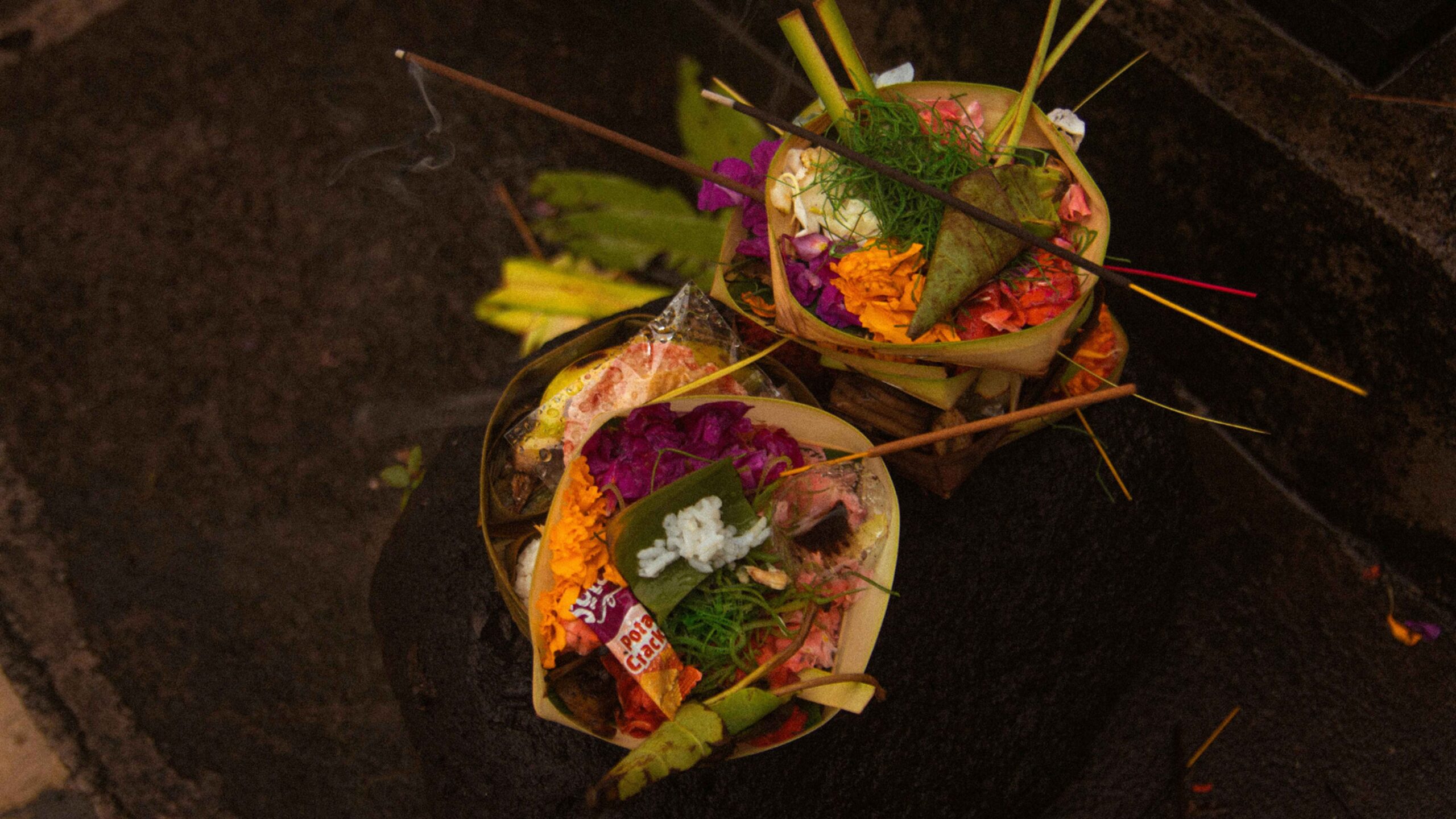
Conscious minimalism in Bali is not about restriction or austerity, but about balance and intention. Influenced by spiritual practices and a deep respect for nature, minimalism on the island focuses on choosing what truly matters and letting go of excess without losing warmth or character. In Bali, simplicity is not cold or rigid; it is soft, organic, and deeply human. Clothing, spaces, and lifestyles are curated thoughtfully, reflecting harmony rather than emptiness.
Nature as the Foundation of Minimalist Expression
Bali’s approach to minimalism is inseparable from its natural environment. Earth tones, breathable fabrics, and flowing silhouettes echo the island’s landscapes, from rice fields to coastlines. Conscious minimalism here favors natural fibers such as linen, cotton, and bamboo, allowing garments to feel light, functional, and grounded. These choices are not driven by trends, but by climate, comfort, and sustainability, reinforcing a lifestyle that works in harmony with nature rather than against it.
Mindful Design Over Decorative Excess
Instead of ornate details or heavy embellishment, Balinese-inspired minimalism emphasizes thoughtful design and proportion. Every seam, cut, and texture has purpose. This philosophy values craftsmanship and intention, ensuring that each garment serves both aesthetic and practical roles. By removing unnecessary elements, designers allow quality, fabric, and form to speak for themselves. This restraint results in pieces that feel timeless and adaptable, aligning perfectly with the principles of slow fashion and conscious consumption.
Conscious Consumption as a Lifestyle Choice
Minimalism in Bali extends beyond design into the way people consume. Rather than owning many items, there is an emphasis on owning fewer, better-quality pieces that can be worn repeatedly and styled effortlessly. This mindset encourages longevity and reduces waste, aligning with broader sustainability goals. Clothing becomes something to care for, repair, and appreciate over time, reinforcing a deeper connection between wearer and garment.
Spiritual Influence on Simplicity
Spiritual living plays a significant role in shaping Bali’s minimalist aesthetic. Daily rituals centered on gratitude, balance, and presence influence how people relate to material possessions. Conscious minimalism mirrors these values by encouraging intention in every choice, including what one wears. Clothing becomes an extension of inner calm rather than a statement of excess, supporting a lifestyle focused on clarity, mindfulness, and well-being.
Community and Ethical Production
Bali’s minimalist fashion movement is closely tied to ethical production and community collaboration. Small workshops, local artisans, and responsible manufacturers prioritize quality over quantity, producing garments in limited runs or made-to-order systems. This approach supports fair labor practices and reduces overproduction, reinforcing minimalism not just as an aesthetic, but as an ethical framework. By valuing people and process, conscious minimalism becomes a shared responsibility rather than an individual trend.
Timelessness as the Ultimate Luxury
In Bali, minimalism is viewed as a form of quiet luxury. Garments designed with simplicity, durability, and versatility hold lasting value beyond seasonal trends. Neutral palettes, relaxed tailoring, and natural textures allow pieces to move seamlessly between settings and occasions. This timeless quality reflects a deeper understanding of luxury as comfort, integrity, and longevity rather than excess or display. Bali’s unique take on conscious minimalism offers a refreshing alternative to conventional minimalist narratives. Rooted in nature, spirituality, and community, it prioritizes intention over accumulation and harmony over perfection. Through thoughtful design, ethical production, and mindful consumption, Bali demonstrates that minimalism can be warm, expressive, and deeply sustainable. It is a way of living and dressing that honors simplicity not as a lack, but as a conscious choice to live with clarity, respect, and balance.