In Bali, harmony is not an abstract idea but a daily practice that shapes how people live, work, and create. The concept of balance between humans, nature, and spirituality is deeply embedded in Balinese culture, influencing everything from architecture to rituals and artistic expression. Eco-fashion naturally emerges from this worldview, reflecting a desire to live in alignment with the environment rather than in opposition to it. Clothing becomes a medium through which harmony is expressed, worn, and shared.
Fashion Rooted in Respect for Nature
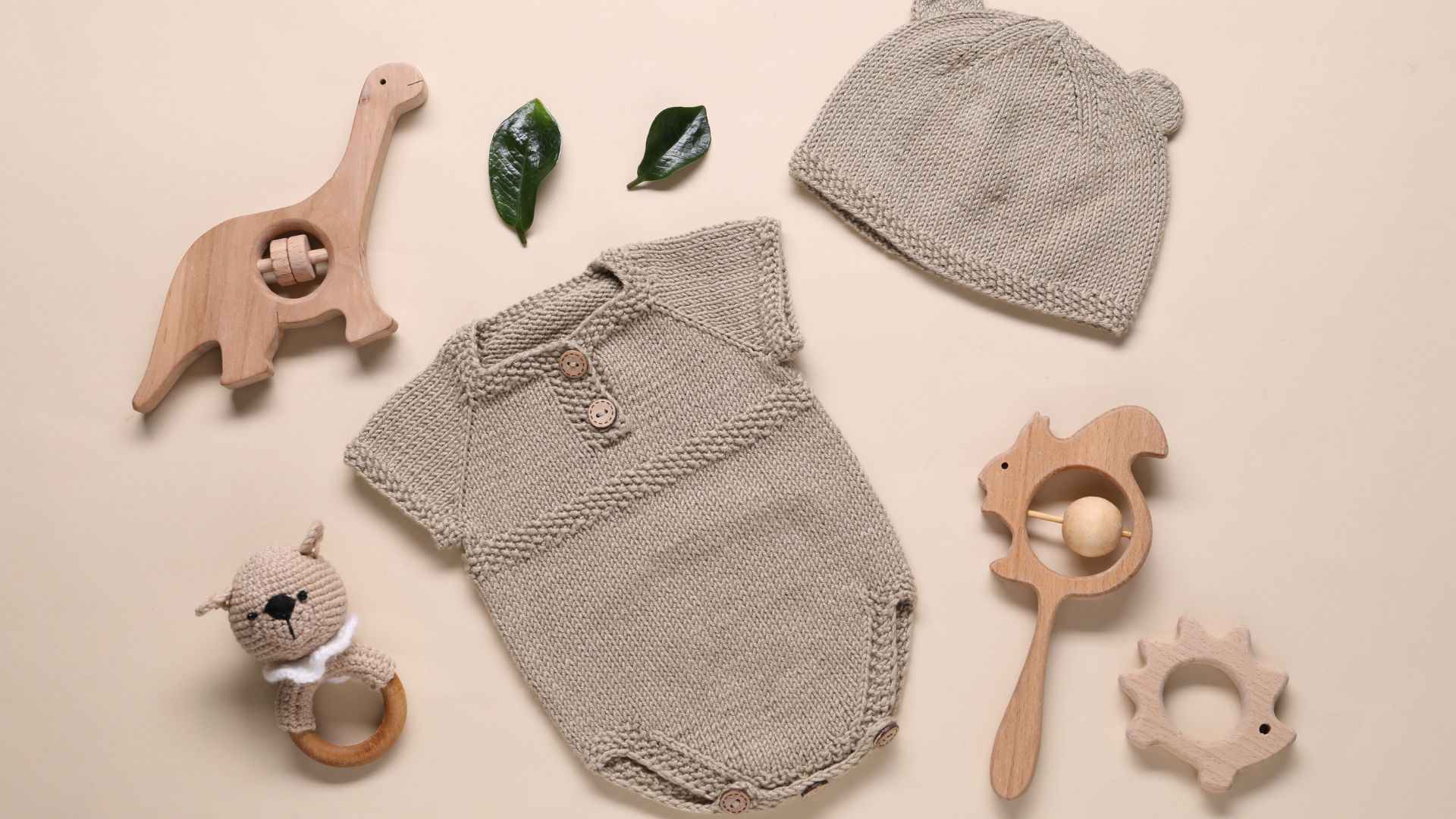
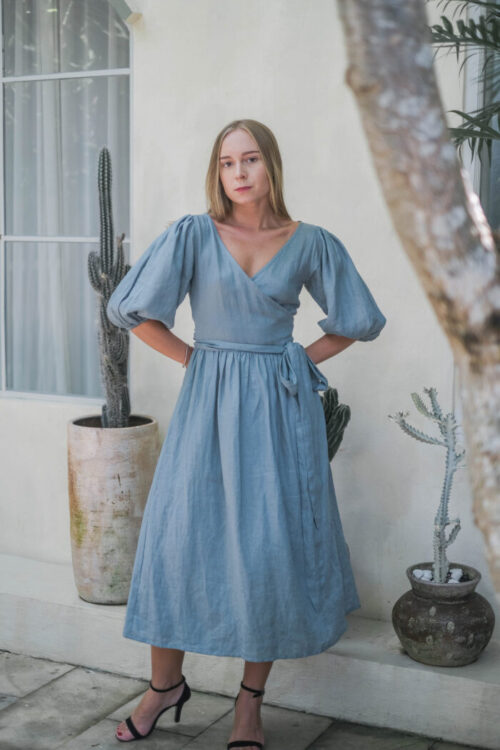
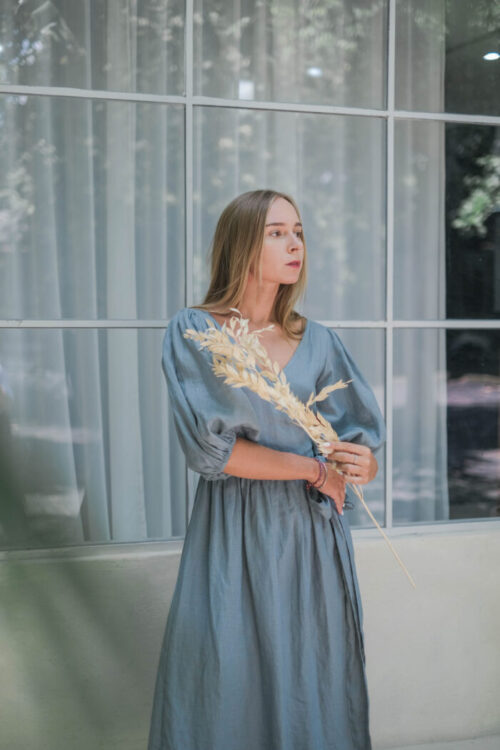
Eco-fashion in Bali begins with respect for natural resources. Designers and makers prioritize materials that feel connected to the land, such as linen, cotton, bamboo, and plant-based fibers that are breathable, biodegradable, and gentle on the environment. These fabric choices are not only sustainable but also practical for the island’s climate, reinforcing the idea that harmony arises when design responds to nature instead of forcing it. Through these materials, fashion becomes an extension of the natural world rather than a disruption of it.
Thoughtful Creation Over Excess
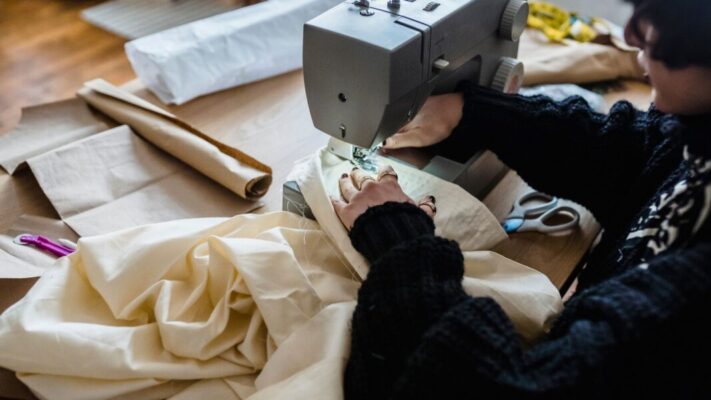
Balinese harmony emphasizes moderation and intention, values that translate directly into eco-fashion practices. Instead of mass production and seasonal excess, many brands focus on small-batch or made-to-order production. Each garment is created with care, minimizing waste and honoring the time and skill involved in its making. This slower pace allows designers to be mindful of every step, ensuring that the process remains balanced and respectful to both people and resources.
The Role of Artisans and Community
Harmony in Balinese culture is collective, not individual. Eco-fashion reflects this through close collaboration with local artisans, tailors, and craftspeople. Traditional skills such as hand sewing, weaving, and natural dyeing are preserved and adapted into contemporary designs, creating garments that carry cultural meaning alongside modern relevance. These collaborations support livelihoods, strengthen community bonds, and ensure that fashion production benefits many rather than a few.
Simplicity as a Form of Balance
Eco-fashion in Bali often embraces simplicity in silhouette, color, and construction. This minimal approach is not about removing beauty, but about allowing form, texture, and craftsmanship to stand on their own. Neutral tones, relaxed fits, and breathable fabrics create garments that feel calm and grounding, mirroring the balance sought in Balinese life. Through simplicity, fashion becomes wearable, timeless, and emotionally resonant rather than trend-driven.
Conscious Consumption as Cultural Practice
Harmony also extends to how clothing is consumed. Eco-fashion encourages wearers to choose fewer pieces, care for them thoughtfully, and value longevity over novelty. This mindful relationship with clothing aligns with Balinese values of gratitude and respect for what is owned. Garments are not treated as disposable items, but as meaningful objects that accompany daily life, ceremonies, and moments of rest.
Eco-Fashion as Living Philosophy
In Bali, eco-fashion is more than an industry or aesthetic; it is a living philosophy that reflects cultural beliefs about balance and responsibility. Each sustainable garment represents a small but intentional choice to honor nature, support community, and live with awareness. Fashion becomes a quiet expression of values, communicating harmony not through excess or spectacle, but through intention and care. Eco-fashion in Bali embodies the island’s understanding of harmony, where beauty arises from balance rather than abundance. By uniting sustainable materials, ethical production, community collaboration, and mindful consumption, fashion becomes a reflection of a deeper cultural rhythm. Wearing eco-fashion in Bali is not simply about style; it is about participating in a way of life that values connection, respect, and equilibrium. In this sense, every thoughtfully made garment becomes an expression of harmony, woven into both fabric and daily living.