Ethical manufacturing has become a defining factor for modern activewear brands that want to grow responsibly while maintaining credibility and trust. Today’s consumers no longer judge activewear solely on performance, fit, or aesthetics. They are increasingly aware of how garments are made, who makes them, and what impact production has on people and the environment. For modern brands, ethical manufacturing is no longer a niche value but a core part of long-term success and brand integrity.
Ethics as the Foundation of Brand Identity
For activewear brands, ethics shape more than production methods; they shape identity. Manufacturing choices directly reflect a brand’s values and influence how it is perceived in a crowded market. Ethical manufacturing emphasizes fairness, respect, and accountability at every stage of production. When brands commit to ethical practices, they move beyond transactional relationships and begin building purpose-driven businesses that resonate with conscious consumers who seek alignment between lifestyle, movement, and values.
Fair Working Conditions and Human-Centered Production
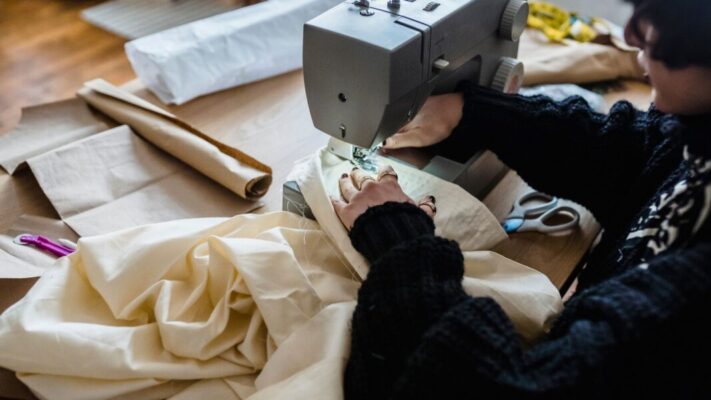
At the heart of ethical manufacturing is respect for the people behind the product. Modern activewear brands increasingly partner with manufacturers that prioritize fair wages, safe working environments, and reasonable working hours. Skilled garment workers play a critical role in producing high-performance activewear that must endure constant movement, stretching, and washing. Ethical production recognizes their expertise and ensures that craftsmanship is valued rather than exploited. This human-centered approach creates a healthier, more sustainable supply chain for everyone involved.
Transparency Across the Supply Chain
Transparency is essential for ethical manufacturing to be meaningful rather than performative. Modern activewear brands are expected to understand and communicate where materials come from, how garments are produced, and what standards are followed throughout the supply chain. Ethical manufacturers are open about their processes, sourcing decisions, and production timelines. This clarity builds trust not only between brands and manufacturers, but also with customers who want honest insight into the clothing they choose to wear.
Responsible Material Choices for Performance Wear
Ethical manufacturing in activewear is closely linked to material responsibility. Performance fabrics must offer stretch, breathability, and durability, yet their environmental impact cannot be ignored. Many ethical manufacturers support the use of recycled fibers, low-impact textiles, and responsibly sourced materials that reduce waste and resource consumption. By choosing materials thoughtfully, modern activewear brands can deliver high-performing garments while minimizing harm to ecosystems and reducing long-term environmental costs.
Quality and Longevity as Ethical Commitments
Ethics in manufacturing also extend to product lifespan. Activewear that is poorly made contributes to overconsumption and unnecessary waste. Ethical manufacturers focus on construction quality, durability, and consistent fit to ensure garments last through repeated wear and washing. For modern brands, designing activewear that endures is an ethical decision in itself. Longevity reduces the need for constant replacement and supports a more mindful approach to consumption that aligns with sustainability goals.
Small-Batch and Intentional Production Models
Many modern activewear brands are moving away from mass production in favor of small-batch or demand-driven manufacturing. Ethical manufacturers support this shift by offering flexible production models that reduce excess inventory and fabric waste. Producing intentionally allows brands to respond to real demand rather than speculative forecasting. This approach not only minimizes environmental impact but also encourages better design decisions and stronger quality control at every stage.
Ethical Manufacturing and Lifestyle Alignment
Activewear is closely connected to wellness, movement, and self-care, making ethical manufacturing especially relevant. Brands that promote health and balance through their products are increasingly expected to reflect those values in how garments are made. Ethical production creates consistency between message and action, reinforcing authenticity. In places such as Bali, where wellness culture and mindful living are deeply rooted, ethical manufacturing aligns naturally with the lifestyle that activewear is designed to support.
Building Long-Term Partnerships Over Short-Term Gains
Ethical manufacturing encourages long-term collaboration rather than short-term cost-driven decisions. Modern activewear brands benefit from working closely with manufacturers who invest in shared growth, continuous improvement, and mutual respect. These partnerships allow for better communication, smoother development processes, and consistent quality as brands scale. Over time, ethical collaboration becomes a strategic advantage rather than a limitation.
Meeting the Expectations of Conscious Consumers
Consumers today are more informed and selective than ever before. They look beyond marketing language and expect brands to demonstrate real commitment to ethical practices. Activewear brands that invest in ethical manufacturing are better positioned to meet these expectations with confidence and credibility. Transparency, fairness, and responsibility become tangible qualities that customers can trust, strengthening brand loyalty and long-term relevance. Ethical manufacturing is no longer optional for modern activewear brands; it is essential. By prioritizing fair labor, transparency, responsible materials, quality construction, and intentional production, brands can build products that perform well and stand for something meaningful. Ethical manufacturing transforms activewear from a commodity into a conscious choice, aligning movement, lifestyle, and values in a way that supports both people and the planet.