Launching a sustainable activewear brand in Bali begins with a well-defined vision. Brands need to identify their target audience, the types of activewear they want to produce, and the values that will guide their business, such as sustainability, ethical production, or tropical-inspired design. Having a clear vision allows manufacturers to better understand a brand’s goals and offer guidance on fabric selection, garment construction, and production methods that align with those principles. In Bali, manufacturers work closely with brands from the early stages, helping translate concepts into functional, eco-conscious activewear that meets both performance standards and consumer expectations.
Choosing the Right Sustainable Fabrics
Fabric selection is one of the most critical steps in launching an activewear brand. Bali manufacturers offer access to eco-friendly materials such as recycled polyester, organic cotton, bamboo blends, and low-impact dyed technical fabrics. These textiles are chosen not only for their sustainability credentials but also for their performance attributes, including stretch, breathability, moisture management, and durability. By selecting fabrics that meet both environmental and functional requirements, brands can ensure their collections are comfortable, high-performing, and aligned with the growing consumer demand for responsible apparel.
Working With Small-Batch and Made-to-Order Production
Many Bali manufacturers specialize in small-batch or made-to-order production, which is ideal for new sustainable activewear brands. This approach reduces the risk of overproduction, limits fabric waste, and allows for careful quality control. Small-batch production also provides flexibility to refine designs based on initial samples and market feedback, ensuring that the final collection meets both brand standards and customer expectations. By producing in manageable quantities, brands can maintain control over quality while embracing sustainability in every step of the manufacturing process.
Collaborating on Design and Technical Development
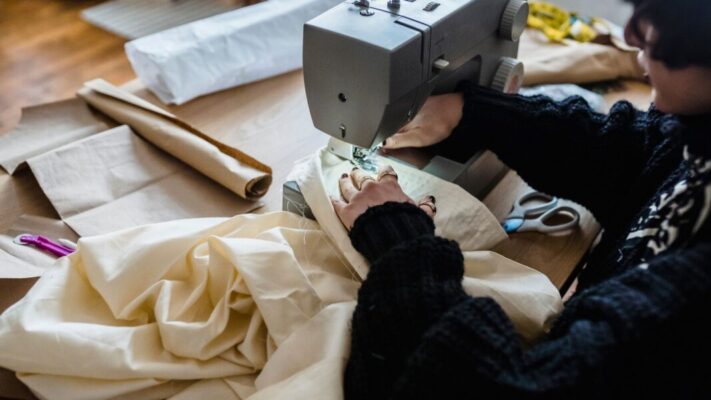
Launching a brand in Bali involves close collaboration with manufacturers to refine designs and optimize garment construction. Experienced pattern makers and technicians help translate sketches or concepts into functional prototypes, considering fit, ergonomics, and tropical climate performance. Sampling and testing allow brands to make adjustments to improve comfort, stretch, ventilation, and durability. This iterative process ensures that the activewear not only looks appealing but also performs effectively during real-world activities, from yoga and running to surfing and casual wear.
Ensuring Ethical Production Practices
Sustainability in Bali is closely tied to ethical production. Brands launching activewear lines benefit from working with manufacturers who prioritize fair wages, safe working conditions, and skill development for local artisans. By producing garments ethically, brands can communicate a strong commitment to social responsibility alongside environmental stewardship. This transparency resonates with conscious consumers, who increasingly value products created with care for both people and the planet.
Planning Logistics and Export Considerations
Bali manufacturers often support brands with the logistics of international distribution, including export documentation, shipping arrangements, and quality assurance processes. Brands can take advantage of local expertise to ensure that garments are delivered on time, meet global quality standards, and are packaged responsibly. This guidance reduces operational challenges and allows brands to focus on marketing, branding, and customer engagement while maintaining sustainable production practices.
Marketing and Storytelling Around Sustainability
An essential component of launching a sustainable activewear brand is effectively communicating the story behind the products. Bali manufacturers often assist brands in highlighting their eco-friendly practices, ethical labor, and tropical-inspired design in marketing materials. Transparency regarding sourcing, production methods, and environmental impact helps brands differentiate themselves in a competitive market and build trust with conscious consumers. This storytelling becomes a key element of brand identity, reinforcing the value of responsible activewear. Launching a sustainable activewear brand with Bali manufacturers combines vision, collaboration, and conscious production practices. By carefully selecting fabrics, working with small-batch production, collaborating on design and technical development, ensuring ethical labor practices, and planning for global distribution, brands can create high-performance activewear that is both functional and responsible. Bali offers a supportive ecosystem where sustainability, craftsmanship, and innovation intersect, enabling brands to transform concepts into garments that resonate with active, eco-conscious consumers worldwide.