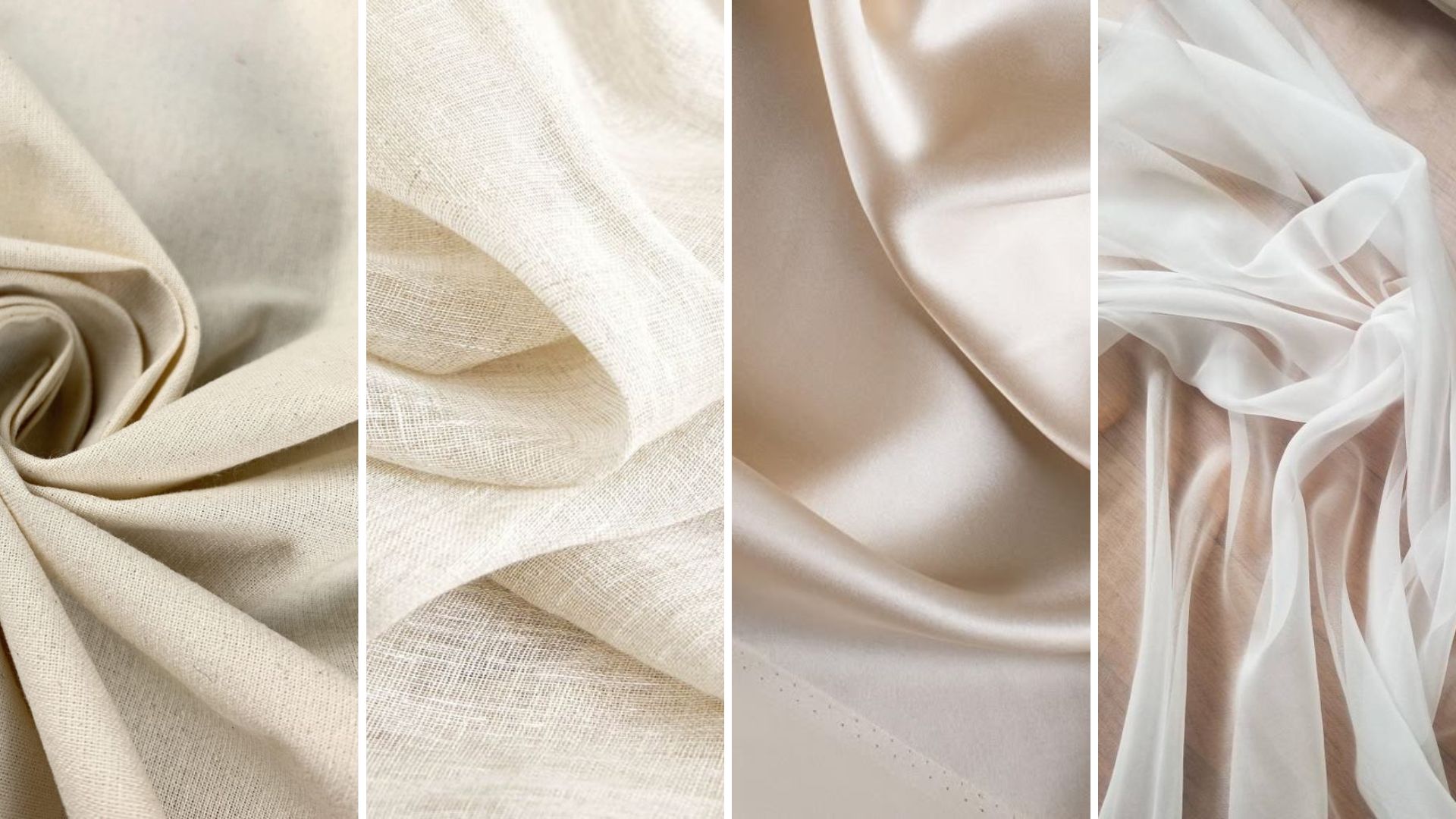
In Bali, resort wear must be lightweight, breathable, and comfortable to suit the warm and humid tropical climate. Linen and rayon excel in these conditions. Linen is naturally breathable and moisture-wicking, keeping the body cool while providing a crisp, airy feel. Rayon, on the other hand, drapes beautifully and feels soft against the skin, offering a flowing, luxurious sensation that enhances movement. Together, these fabrics provide the comfort and adaptability required for resort guests, whether lounging poolside, strolling along the beach, or enjoying outdoor activities. Their natural ability to regulate temperature and allow airflow makes them superior choices for tropical fashion, giving wearers a sense of effortless elegance throughout the day.
Effortless Style and Draping
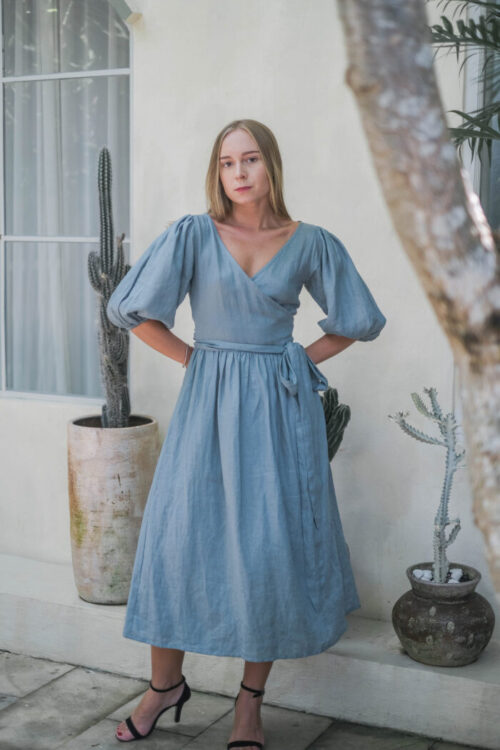
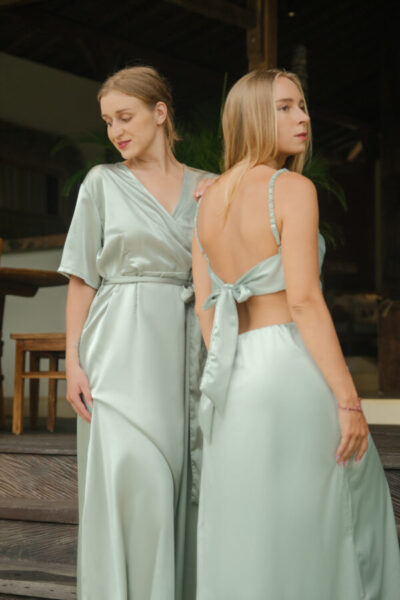
Both linen and rayon contribute to the timeless, relaxed aesthetic that defines resort wear. Linen offers a structured, textured appearance that exudes casual sophistication, while rayon provides a silky, fluid drape that creates elegant silhouettes. These complementary qualities allow designers to craft garments ranging from tailored linen shirts and shorts to flowing rayon kaftans and dresses. The fabrics’ natural textures and movement give resort wear a luxurious yet understated appeal, making them versatile for both daytime activities and evening occasions. This combination of structure and flow ensures that resort collections maintain a cohesive style while accommodating diverse wardrobe needs. Linen and rayon are also valued for their durability when properly produced. Linen’s strength increases over time, allowing garments to become softer and more comfortable with wear while retaining their resilience. Rayon, particularly sustainable and high-quality variants like lyocell or viscose, resists wear and maintains shape, ensuring that garments continue to look polished even after repeated use. For resorts and brands, these fabrics provide long-lasting pieces that offer excellent value while reducing the need for frequent replacement, aligning with both functional and sustainable priorities.
Sustainability and Eco-Friendly Appeal
Sustainability is increasingly important in resort wear production, and linen and rayon are excellent choices for eco-conscious manufacturing. Linen is derived from flax plants, requiring minimal water and chemical use, while sustainable rayon, such as lyocell, is made from responsibly sourced wood pulp using environmentally friendly processes. Both fabrics allow designers to create garments that are not only stylish and functional but also align with responsible production practices. Using linen and rayon demonstrates a commitment to sustainability, giving consumers confidence that their clothing supports ethical and environmentally aware choices.
The adaptability of linen and rayon makes them ideal for the full spectrum of resort wear needs. Linen provides crispness and structure for tailored outfits, such as shirts, trousers, and separates, while rayon offers softness and flow for dresses, skirts, and casual lounge pieces. This versatility allows resort wear collections to cater to multiple occasions, from poolside relaxation to evening dining, without sacrificing comfort, style, or performance. For designers and brands, the combination of these fabrics allows for creative expression while meeting the functional demands of tropical lifestyles. Linen and rayon are the ultimate fabrics for resort wear because they deliver a harmonious balance of comfort, style, durability, and sustainability. Their breathability and temperature regulation make them ideal for tropical climates, while their aesthetic qualities allow for both structured and flowing garments. Combined with sustainable sourcing and ethical production practices, linen and rayon enable resorts and fashion brands to offer guests elegant, practical, and eco-conscious clothing that enhances the tropical lifestyle. For Bali’s resort wear market, these fabrics remain indispensable in creating collections that resonate with modern, conscious, and style-savvy consumers.