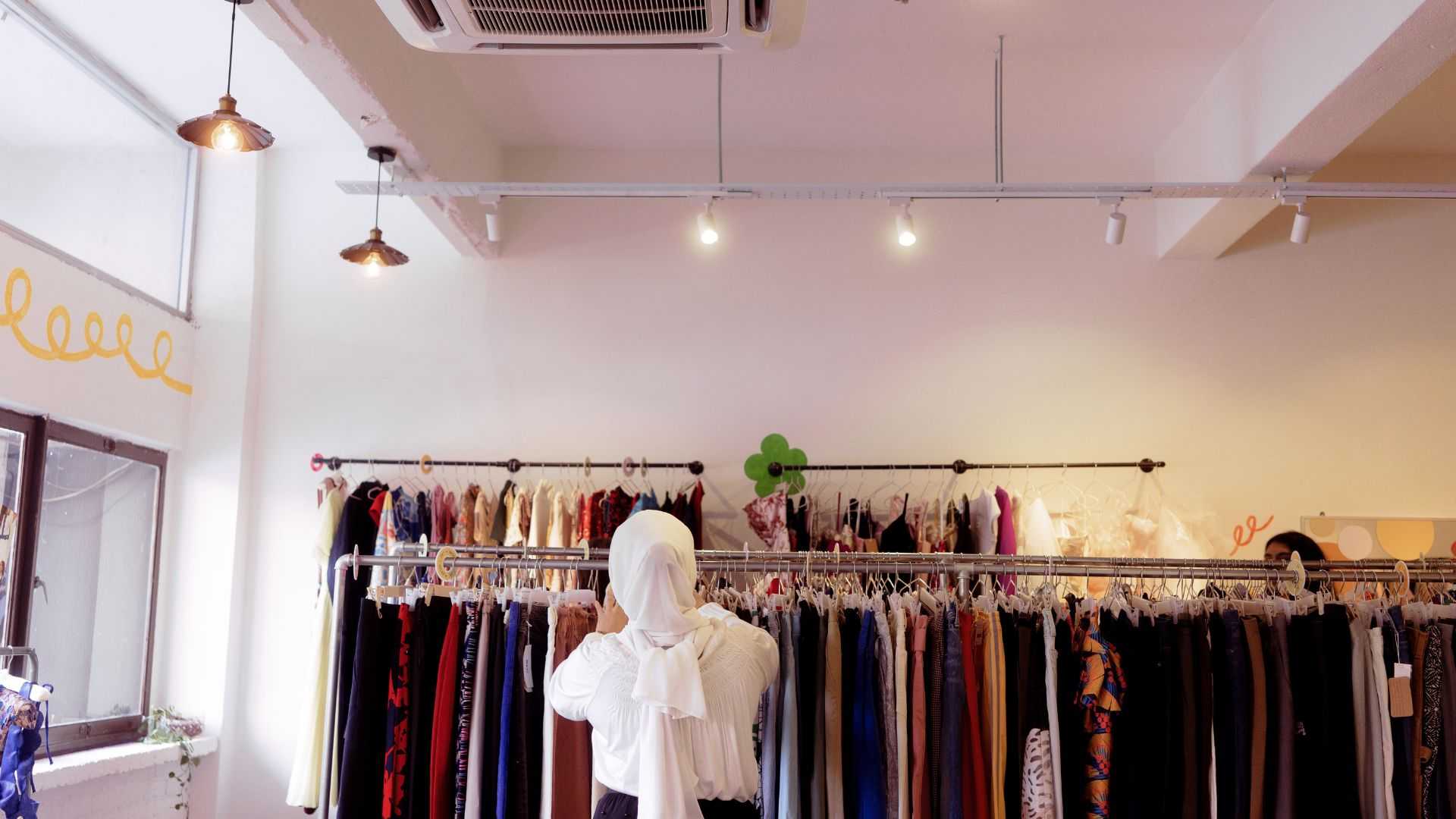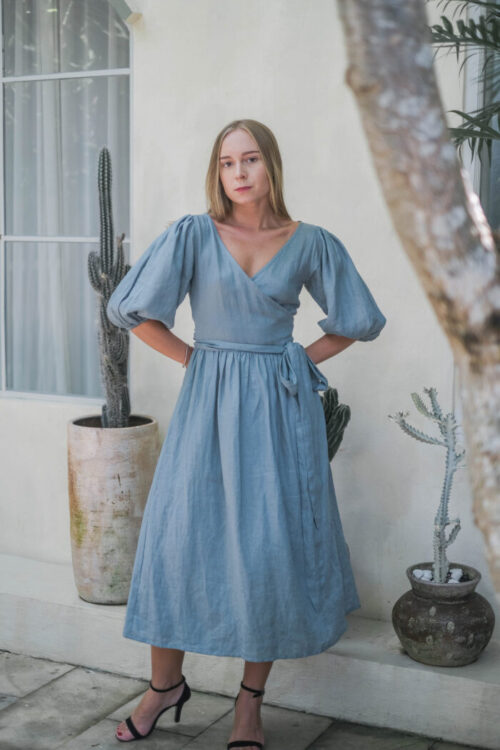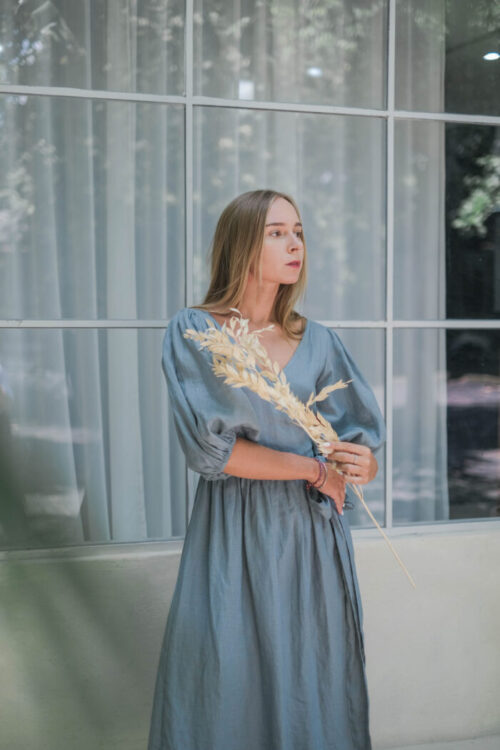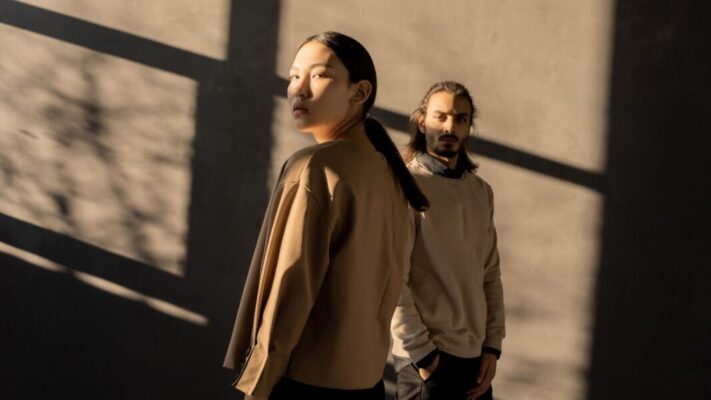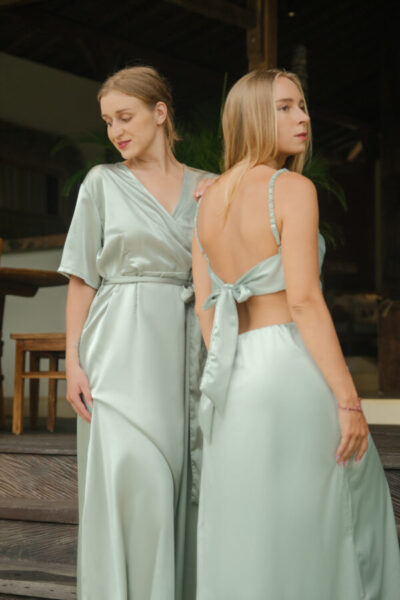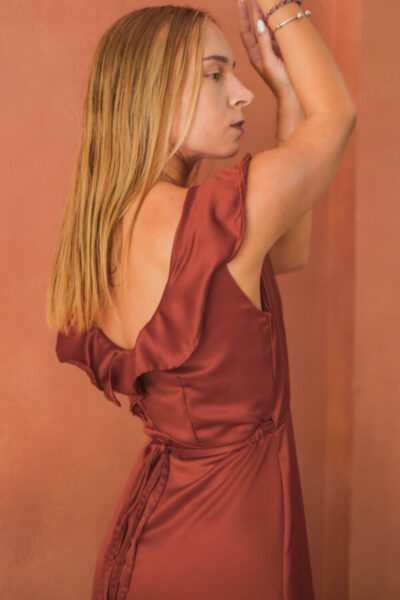
In luxury villas and resorts across Bali, architecture and interior design play a significant role in guiding uniform design. Staff attire is more than functional clothing; it is an extension of the property’s visual identity. Colors, textures, silhouettes, and design details are carefully chosen to complement the villa’s architecture, landscaping, and interior décor, ensuring a seamless guest experience. Uniforms that harmonize with the built environment create cohesion, professionalism, and a sense of elegance from arrival to check-out. For instance, villas with modern minimalist architecture often benefit from clean-lined, neutral-toned uniforms, reflecting the simplicity and sophistication of the space. Meanwhile, properties with traditional Balinese design elements or handcrafted features may incorporate subtle motifs, woven textures, or tonal embroidery in staff attire, echoing the cultural and architectural narrative of the property.
Using Color and Fabric to Enhance Cohesion
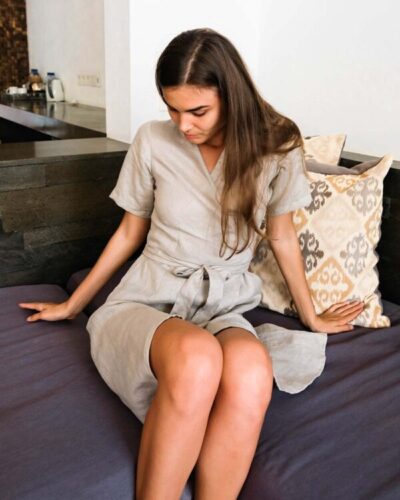
Color selection in uniforms is heavily influenced by the surrounding environment. Neutral palettes such as ivory, sand, soft gray, and muted earth tones blend seamlessly with natural materials like stone, wood, and tropical greenery. These shades ensure that staff attire complements rather than competes with the property’s architecture, creating a polished, cohesive appearance. Fabric choice also matters. Lightweight and breathable materials such as linen, bamboo blends, and organic cotton provide comfort in tropical climates while maintaining a refined drape and structure. The tactile quality of fabrics can echo architectural materials, such as smooth linens reflecting polished surfaces or textured bamboo blends complementing woven wood elements, subtly reinforcing the property’s aesthetic.
Functionality Meets Design
Architecture also influences practical aspects of uniform design. Open-air villas, elevated walkways, and outdoor dining areas require uniforms that are comfortable, breathable, and adaptable to varying weather conditions. Ergonomic tailoring, flexible silhouettes, and functional details like pockets or adjustable features allow staff to perform their duties efficiently while maintaining a polished look. By integrating architectural considerations into uniform design, villas ensure that attire supports operational demands without sacrificing elegance, creating a visual and functional harmony between staff and space. Uniforms that echo architectural style reinforce the property’s brand identity. Just as the villa’s design communicates luxury, sophistication, or cultural authenticity, the staff’s attire becomes a moving representation of the brand, visible in every interaction. Well-aligned uniforms enhance guest perception of professionalism, attention to detail, and overall quality, making the staff experience a seamless part of the property’s design narrative.
Sustainability and Cohesion
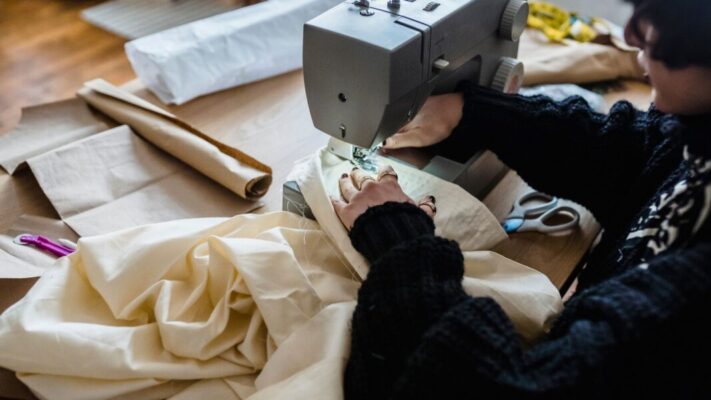
Many Bali manufacturers incorporate sustainable fabrics and ethical production into uniform design, which can also align with the property’s architectural ethos. Villas designed with eco-conscious materials, green landscaping, or sustainable features benefit from uniforms made from organic cotton, bamboo, or linen, creating a unified message of responsible luxury that resonates with environmentally aware guests. The relationship between architecture and uniform design is central to creating a cohesive, professional, and visually harmonious villa experience. Thoughtful attention to color, fabric, silhouette, and detailing ensures that staff attire complements the property’s design while supporting functionality and comfort. By integrating architectural inspiration into uniform planning, Bali’s manufacturers help villas and resorts present a polished, consistent, and culturally resonant image, enhancing both staff performance and guest experience.