People often use activewear and sportswear to describe the same type of clothing. While they have some similarities, they are not exactly the same.
Sportswear focuses on a specific sport or activity. Running clothes, for example, may use lightweight fabric, ventilation, compression, and pockets because runners need those features while running.
Activewear covers a wider range of exercise, movement, and active lifestyles. A pair of leggings, for example, could work for yoga, workouts, walking, or other forms of exercise.
In this guide, we will explain the difference between sportswear and activewear and what that difference means when you develop a clothing collection.
What Is Sportswear?
Sportswear is clothing for a specific sport or physical activity.
Each garment supports the needs of that activity. Running clothes, for example, may use lightweight materials and focus on ventilation, freedom of movement, and other features that make running more comfortable.
Megaya’s running wear collection is a good example of this approach. If you’re looking for a Bali activewear manufacturer, Megaya offers running wear developed around features such as lightweight materials, freedom of movement, compression, ventilation, and pockets based on what runners need.
The main idea is simple: the activity comes first. The garment needs to support what the wearer does during that activity.
What Is Activewear?
Activewear covers a wider range of exercise and movement.
Instead of creating each product for one specific sport, brands can use activewear for different types of exercise and active lifestyles.
This can include leggings, sports bras, yoga wear, fitness pants, tank tops, and other garments that people can use across different activities.
If you’re looking for a Bali activewear manufacturer, Megaya offers different types of activewear, including sports bras, yoga bodysuits, yoga wear, leggings, tank tops, men’s fitness pants, and other styles. You can explore Megaya’s activewear collection to see the different products that can be developed for a clothing brand.
What Fabric Works for Activewear?
Choosing a fabric for activewear depends on the type of garment and what it needs to do.
For example, Megaya’s activewear range uses different materials across its products. Sports bras may use nylon, polyester, or cotton spandex. Men’s fitness pants may use nylon, cotton spandex, or polyester spandex.
Running products may also use polyester, nylon, or Merino wool, depending on the garment.
That’s why you should consider fabric during product development instead of leaving it until the end.
If you’re working with an activewear manufacturer in Bali, you can discuss your fabric requirements as part of the product development process. The right fabric will depend on the garment, how it will be used, and the feel you want for the finished product.
You can explore the fabrics available through Megaya to see the different materials and blends the manufacturer works with. Megaya can also work with brands that request a specific fabric or provide their own material for production.
What Should You Think About When Choosing Activewear Fabric?
When choosing fabric, don’t start by asking, “Which fabric is best for activewear?”
Start with a different question: “What does this garment need to do?”
Different garments need different things from their fabric. Yoga leggings need enough stretch for movement. Running shorts may need to feel lightweight and let heat and sweat escape. A workout tank may need to feel comfortable and breathable.
Once you know what the garment needs, you can look for a fabric that provides those properties.
Does the Garment Need to Stretch?
Think about how much movement the garment needs to handle.
Leggings, for example, need enough stretch for movements such as bending, stretching, and squatting.
A loose-fitting tank top has different needs. It does not fit closely around the body, so it does not need the same level of stretch.
The more a garment moves with the wearer, the more important stretch and flexibility become.
Does the Wearer Need to Stay Cool and Dry?
Some activities make the wearer sweat more than others.
Running and intense workouts, for example, may require breathable fabrics that help manage moisture. This can help the garment feel more comfortable during exercise.
For lighter activities, you may have different priorities, such as softness and comfort.
Does the Fabric Need to Be Durable?
Think about how often the wearer will use the garment and how much wear it will get.
A pair of workout leggings may stretch, go through regular washing, and get worn often. The fabric needs to handle that repeated use.
A garment for light activity may have different durability requirements.
What Should the Fabric Feel and Look Like?
Performance is not the only consideration.
If you are creating a lifestyle-focused activewear collection, you may also care about how soft the fabric feels, how it drapes, how it looks, and how comfortable it feels for everyday wear.
The goal is not to find one “best” activewear fabric. It is to find a fabric that matches the garment.
Examples of Fabric Needs by Product
Here are some simple examples:
Yoga leggings: stretch and flexibility
Running shorts: lightweight feel and breathability
Workout tank: comfort and breathability
Lifestyle activewear: comfort, appearance, and versatility
Once you know what you want the garment to do, choosing the right fabric becomes much easier.
Sportswear vs Activewear: Which One Should a Brand Create?
The answer depends on the type of clothing you want to sell.
Before choosing a direction for your brand, think about whether you want to make clothing for one specific activity or clothing that people can use for different types of exercise and movement.
Start With the Product
Start by asking what you want each garment to do.
Do you want to create products for one specific sport? Or do you want your products to work across different types of exercise?
Your answer can help you decide which direction fits your collection.
If You Want to Focus on One Sport or Activity
A sportswear approach may be a better fit.
For example, if your brand focuses entirely on running, you can design your products specifically for runners.
Your running shorts might need lightweight fabric, ventilation, pockets, or other features that help runners. You can also design your tops, leggings, and jackets around the needs of runners.
In this case, the sport shapes the product.
Megaya’s running wear is an example of a product category designed around the needs of a specific activity.
If You Want to Create Clothing for Different Types of Exercise
Activewear works well when you want your products to suit more than one activity.
For example, you could make a pair of leggings that works for yoga, gym workouts, stretching, or walking.
You don’t need to add features that only make sense for one activity. Instead, you can focus on comfort and flexibility across several types of movement.
The same idea can apply to sports bras, tank tops, fitness pants, and other activewear pieces.
Your collection can include different products for different activities without building the entire brand around one sport.
For example, you could sell yoga wear alongside workout leggings and fitness tops. They do not all need to serve exactly the same activity, as long as they support exercise and movement.
Megaya’s activewear range includes several types of products, including sports bras, yoga wear, leggings, tank tops, and men’s fitness pants.
The key difference is simple: Sportswear focuses on the needs of a specific activity. Activewear works across different types of movement.
What Does This Mean During Product Development?
Once you know what kind of clothing you want to make, the next step is turning that idea into a real garment.
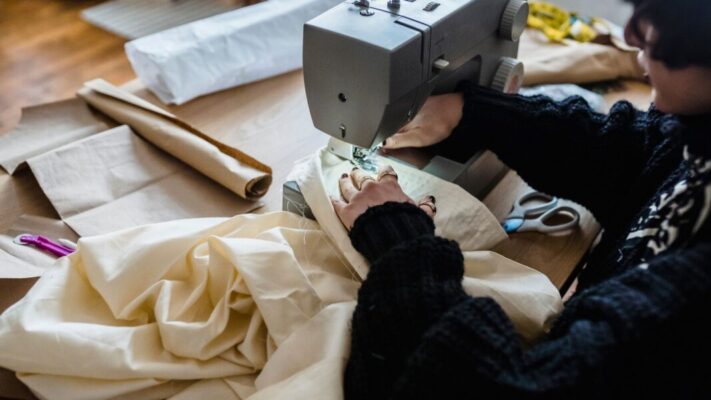
If you’re planning to work with an activewear manufacturer in Bali, you can start by sharing a sketch, a photo of a garment you like, a reference sample, or a detailed tech pack.
You don’t need to have everything figured out before speaking to a manufacturer.
Megaya‘s product consulting service accepts different types of product references, including specification sheets, tech packs, hand-drawn designs, and photographs.
The team can discuss your ideas with you and help determine what you need to develop the product.
Once you have the product details, you can move on to sampling.
Why Sampling Matters
A sample gives you a physical version of the product that you can check before placing a larger order.
You can review the fit, fabric, construction, proportions, and other details. If something doesn’t work, you can make changes before moving into bulk production.
If you’re working with a Bali activewear manufacturer, this stage gives you a chance to review the product before the final version goes into production.
Megaya‘s sampling process allows brands to review these details before approving the final product.
After you approve the sample, you can move the product into the rest of the manufacturing process. This includes pattern development, amendments, cutting, sewing, quality assurance, packaging, and shipping.
For activewear, this step matters because the garment needs to work when someone actually wears and moves in it.
Can a Sportswear Product Also Be Activewear?
Yes. A sportswear product can also be considered activewear.
Think of activewear as the broader category. It includes different types of clothing for exercise and movement, including products for specific sports.
For example, running shorts are sportswear because they focus on running. But they can also form part of an activewear collection.
The same applies to running leggings.
If you design leggings specifically for running, they fall under sportswear. If you make leggings for running, yoga, gym workouts, or other activities, they fit the broader activewear category.
So, the difference doesn’t come down to one product being only sportswear or only activewear.
It comes down to how specifically you design the product.
Designed specifically for running → sportswear
Designed for different types of exercise → activewear
Both can exist under the same activewear brand.
That is why the two categories overlap. A brand can have a broad activewear collection while also creating sportswear products for specific activities.
What About a Brand That Wants Both?
You can have both sportswear and broader activewear products in the same collection.
For example, a brand could offer general workout leggings and sports bras alongside a separate range of running shorts and running tops.
The running products can include features specifically designed for runners. The other pieces can work across different types of exercise.
You don’t need every product in your collection to serve exactly the same activity.
What matters is that you know what each product should do and that the products still make sense together as a collection.
FAQ
Not exactly. Sportswear is usually made for a particular sport or activity, while activewear is a broader category for clothing designed for exercise, movement, and an active lifestyle.
Activewear is designed with movement and physical activity in mind. It can include leggings, shorts, tops, jackets, and other garments made for different types of exercise.
Yes. Leggings made specifically for running can be considered sportswear. A pair designed for different types of exercise can fall under activewear. It depends on the design and intended use.
It depends on the product and how it will be used. Megaya’s activewear usually uses materials such as nylon, polyester, cotton spandex, Lycra, and other blends across different products.
Of course! You can start with a tech pack, specification sheet, reference garment, sketch, photograph, or other product details. If you’re looking for a Bali activewear manufacturer, Megaya‘s product consulting service can help you discuss your product requirements and the next steps for development.
Final Thoughts
Activewear and sportswear are closely related, but they are designed with different uses in mind.
When you’re developing a clothing collection, knowing the difference can help you make better product decisions.
Sportswear usually starts with a specific sport or physical activity. Activewear gives you more flexibility to design around movement and an active lifestyle.
For a brand, the more useful question isn’t really, “Which label should I use?”
It’s: “What does this garment need to do?”
Once you know the answer, you can make better decisions about the fabric, fit, design, and production. That’s where the product starts to take shape.
If you’re looking for a Bali activewear manufacturer, Megaya can help you develop your products from the initial idea and sampling stage through to production.
Planning an activewear collection? Explore Megaya’s Active Wear range or contact Megaya to discuss your product.