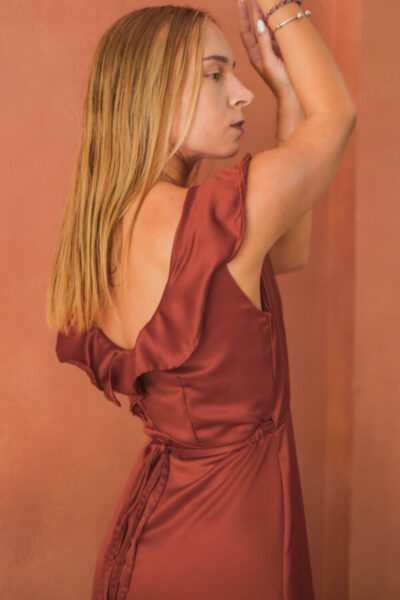
Choosing the right fabric involves more than deciding between cotton, linen, rayon, or polyester. You also need to consider fabric weight, which affects how a garment drapes, feels, and performs when worn.
A lightweight fabric may work well for a flowing summer dress, while a heavier material can help create a more structured T-shirt or sweatshirt. However, heavier fabric is not automatically better. The right choice depends on the garment design, intended use, construction, and comfort you want to achieve.
Understanding fabric weight can help you make better material decisions before sampling and bulk production. In this guide, we’ll explain what GSM means, how fabric weight affects clothing, and what to consider when selecting materials for your collection.
What Does Fabric Weight Mean?
Fabric weight refers to the mass of a fabric per unit of area. In garment manufacturing, manufacturers commonly express this measurement in GSM, which stands for grams per square metre.
For example, a fabric rated at 180 GSM weighs 180 grams per square metre. This measurement helps clothing brands compare the weight of different materials using a consistent unit.
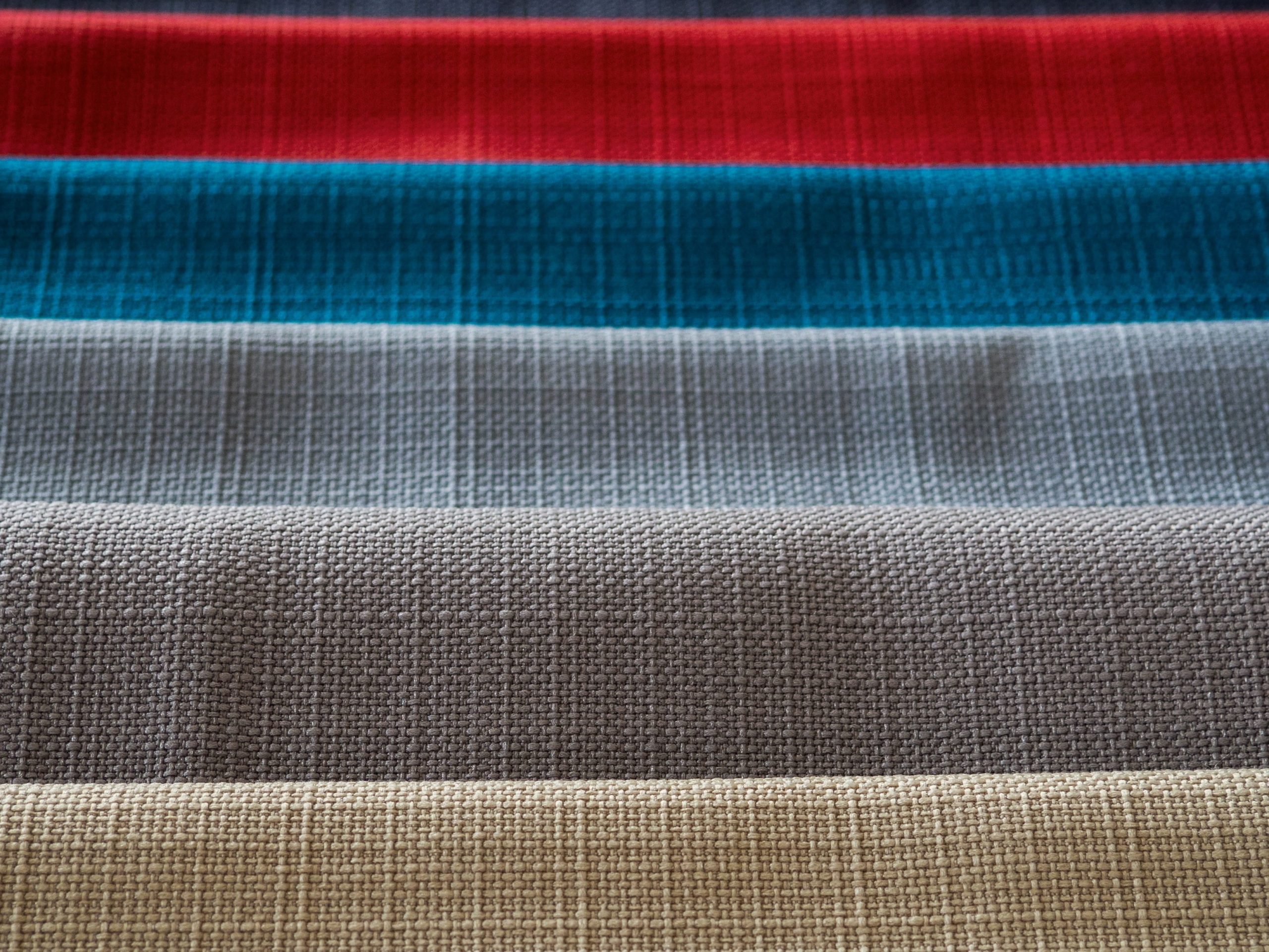
However, GSM doesn’t tell you everything about a fabric. Two materials with the same GSM can have different thicknesses, textures, stretch, softness, and drape because of their fibre composition, yarn, construction, and finishing.
For a more detailed explanation of the measurement, you can read Megaya’s guide to GSM in fabric.
When choosing fabric for your brand, use GSM as one part of the selection process rather than the only deciding factor.
How Does Fabric Weight Affect Clothing?
Fabric weight influences several aspects of a finished garment. Understanding these differences can help you choose a material that supports your original design.
1. Drape and Silhouette
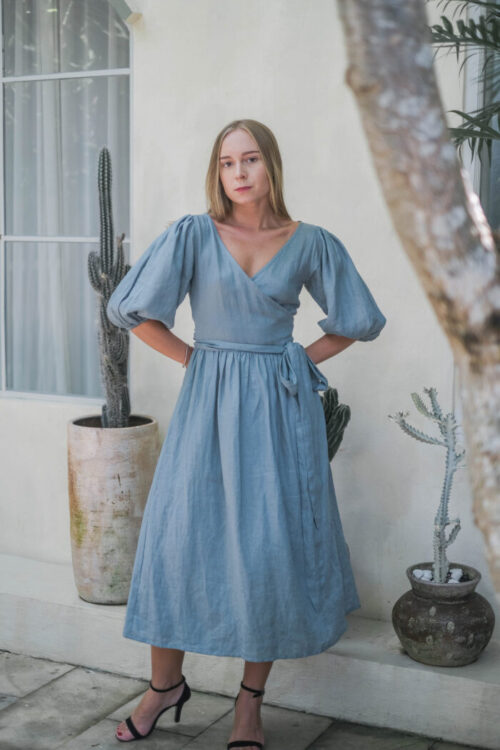
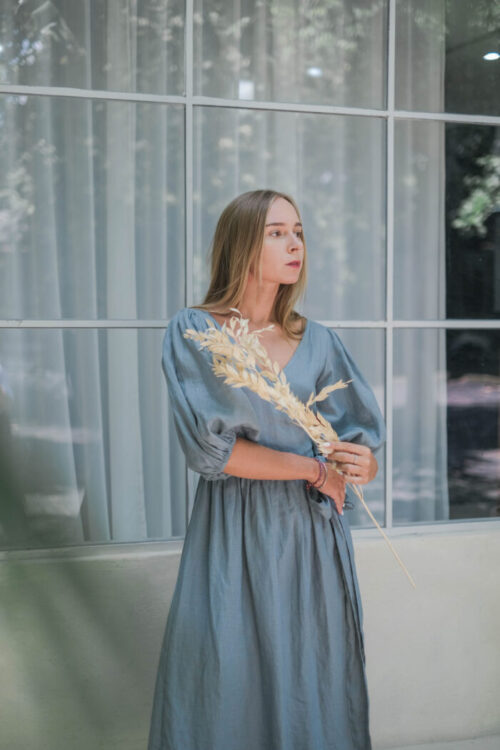
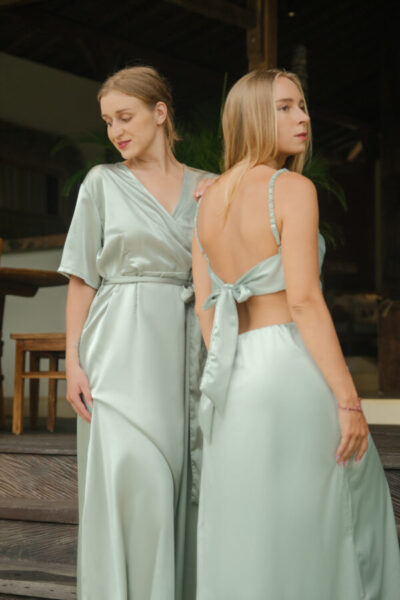
Drape describes how a fabric falls and moves when worn. A lightweight fabric often moves more freely, while a heavier material may create a fuller silhouette or provide more structure.
Think about the difference between a flowing dress and a structured overshirt. The dress may need a fabric that moves easily, while the overshirt may benefit from a material that holds its shape.
Keep in mind that weight alone doesn’t determine drape. Fibre composition and fabric construction also play important roles.
2. Opacity and Coverage
Fabric weight can affect how much a garment reveals, especially when you use light colors or create fitted designs.
A heavier fabric may provide more coverage in some cases, but GSM alone cannot guarantee opacity. Knit density, weave, colour, stretch, and the way the fabric is worn also influence how transparent it appears.
If coverage is important to your product, check the actual fabric sample instead of relying solely on its listed weight.
3. Comfort and Temperature
The weight of a fabric can influence how substantial or warm a garment feels.
Lightweight materials may suit warm-weather clothing, while heavier fabrics can be useful for sweatshirts, outerwear, or garments designed to feel more substantial.
However, a lightweight fabric is not always cooler, and a heavier fabric is not always uncomfortable in warm weather. Fibre properties, breathability, moisture management, and construction all affect comfort.
Consider where customers will wear the garment and how they will use it throughout the day.
4. Durability and Performance
A higher GSM doesn’t automatically mean a fabric will last longer.
Durability depends on factors such as fibre quality, yarn construction, fabric structure, finishing, and how the garment is used and maintained.
For example, a fitted garment needs the right balance of stretch, recovery, and coverage. A casual woven shirt has different requirements because its construction and intended fit are different.
Choose a fabric based on the demands of the finished product, not simply the highest available GSM.
5. Material Usage and Production Cost
Fabric weight can also influence material costs. A heavier fabric generally contains more mass per square metre, although the final cost depends on the fibre, fabric construction, finishing, sourcing, and other requirements.
The garment pattern and fabric consumption also affect how much material you need for each piece.
Before requesting a quotation, consider both the desired fabric characteristics and your target production budget. For additional guidance, read How Much Does It Cost to Manufacture Clothing in Bali?.
How to Choose Fabric Weight for Different Garments
There is no single GSM that works for every type of clothing. Start with the product you want to develop, then consider which fabric characteristics will help achieve the intended result.
T-Shirts and Everyday Tops
For everyday T-shirts, you may want a fabric that feels comfortable, provides enough coverage, and maintains the intended fit.
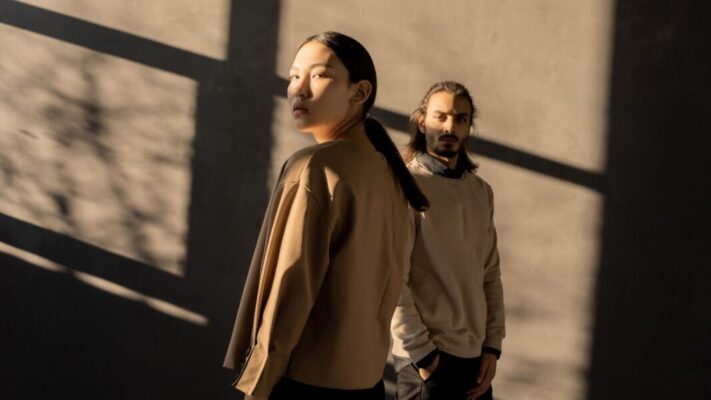
A lighter jersey can create a softer, more relaxed feel. A heavier jersey may provide more body for oversized or structured designs.
Neither option is automatically the better choice. Consider the intended silhouette, climate, color, and how the garment should feel against the skin.
You can explore Megaya’s available fabric options to review materials such as cotton jersey and other cotton fabrics.
Shirts and Blouses
Shirts and blouses require a fabric that complements the intended shape and construction.
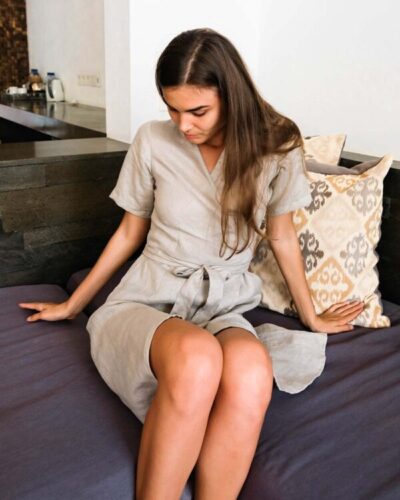
If you are developing a crisp button-up shirt, you may prefer a material that holds its shape. For a loose blouse, a softer fabric with fluid drape may work better.
Cotton poplin, linen blends, rayon, and viscose can all serve different purposes depending on their specific construction and weight.
If you are still comparing material options, read our guide on What’s the Difference Between Cotton, Linen, Rayon, and Viscose? to understand how these fabric types differ.
Dresses and Skirts
The right fabric weight for a dress or skirt depends on its silhouette.
A flowing dress may require a lighter material that moves easily, while a structured skirt may benefit from a fabric that provides more body.
Consider the garment’s length, lining, fit, and intended coverage. A very lightweight fabric may need additional construction details or lining, while a heavier material may change how the garment hangs.
Review the fabric with your actual design in mind before making a final decision.
Hoodies and Sweatshirts
Hoodies and sweatshirts often use heavier fabrics to create a substantial feel and support the intended shape.
However, the ideal weight depends on whether you are developing a lightweight layering piece or a thicker garment designed for cooler conditions.
Fleece and other sweatshirt fabrics can behave differently even at similar GSM levels. Compare their texture, warmth, drape, and construction before choosing one.
Activewear
Activewear requires more than a suitable fabric weight. Stretch, recovery, coverage, comfort, and moisture management may be just as important, depending on the activity.
A fabric that works for a relaxed workout T-shirt may not suit fitted leggings or a sports bra.
Consider how the garment should perform during movement, then evaluate GSM alongside the fabric’s composition and construction. Test the material in its intended fit before confirming your specifications.
Lightweight vs. Midweight vs. Heavyweight Fabric
Fabric weight categories provide a useful starting point, but they are not universal standards. The same GSM can feel different across knitted, woven, and specialty fabrics.
Here is a general guide to help you think about the differences.
| Fabric weight | Fabric weight | What to consider |
| Lightweight | Often feels less substantial and may drape more freely | Coverage, transparency, shape retention, and suitability for the design |
| Midweight | Can balance comfort, body, and versatility | Intended fit, construction, and how the garment will be worn |
| Heavyweight | Often feels more substantial and may support a structured appearance | Warmth, drape, ease of movement, and the weight of the finished garment |
Use these categories to narrow your choices, not as final production specifications.
Once you find a suitable material, confirm its actual GSM and other relevant characteristics with your manufacturer. You should also assess the sample to ensure that its feel and performance match your expectations.
What Should You Check Before Confirming Fabric Weight?
Before moving into production, review the material against the requirements of your design.
1. Check the Actual Fabric Sample
Start by examining the material rather than relying only on photos or descriptions.
Feel the surface, observe how the fabric falls, and check its coverage under appropriate lighting. If stretch matters, assess how it behaves when extended and whether it recovers as expected.
These observations can help you determine whether the material suits your design.
2. Consider Fabric Composition and Construction
GSM should not be considered separately from the rest of the fabric specification.
Two fabrics with the same weight can perform differently because they use different fibres or construction methods. A cotton jersey and a woven cotton fabric, for example, may have different stretch, structure, and drape.
If you are unsure which material to choose, review the fabric options available through Megaya and compare them against your product requirements.
3. Record the Required Specifications
When preparing your design brief or tech pack, document the fabric details that matter to the finished product.
Depending on your design, these may include:
- Fabric composition and construction
- Target GSM and any agreed tolerance
- Colour and finish
- Stretch and recovery requirements
- Desired drape, coverage, and overall feel
Providing clear specifications helps reduce misunderstandings when the manufacturer sources materials and develops your garment.
4. Review the Sample Before Bulk Production
A fabric swatch provides useful information, but a finished garment sample shows how the material behaves within the actual design.
Review the fit, drape, coverage, seams, and overall comfort before approving the sample. If something doesn’t match your expectations, discuss adjustments before production begins.
Learn more about Megaya’s sampling process to understand why sample review matters during garment development.
You should also confirm that the material and finished garments meet your agreed requirements through the appropriate quality checks. Megaya’s Quality Assurance Process covers inspections of fabric, colour, style, size, and defects.
FAQ
No. GSM measures fabric weight, not overall quality. The best choice depends on your garment’s needs. Megaya can help you explore suitable materials through the fabric sourcing service.
No. GSM measures fabric weight per square metre, while thickness refers to how thick the material is. Two fabrics with the same GSM can have different thicknesses, textures, and stretch.
There is no single best GSM for every garment. The right weight depends on the design, fit, comfort, and intended use. Megaya can help you explore fabric options that match your requirements.
Yes. Fabric composition, construction, and finishing can affect softness, stretch, and drape. Reviewing samples helps you determine whether a material suits your design. Learn more about Megaya’s sampling process.
Yes. Confirm the target GSM and other fabric specifications, then review your garment sample before bulk production. Megaya can support fabric selection and quality checks to help ensure the material meets your requirements. Learn more about its Quality Assurance Process.
Final Thoughts
Fabric weight plays an important role in how a garment looks, feels, and performs. Understanding GSM can help you make better material choices for your clothing collection.
But choosing the right fabric isn’t just about finding a specific GSM. It’s about understanding what your product needs in terms of comfort, coverage, drape, and structure.
Once you know what you want your garment to achieve, you can make more informed decisions about fabric selection, sampling, and production.
If you’re looking for a garment manufacturer in Bali, Megaya can help you explore suitable fabric options and develop your products from the initial idea through sampling and production.
Planning your next clothing collection? Explore Megaya’s available fabric options or contact Megaya to discuss your project.