Choosing a fabric sounds simple until you start comparing the options.
Cotton, linen, rayon, and viscose are all commonly used for clothing, but they can give you very different results. One may feel soft and familiar, another may have a more natural texture, while another may fall loosely around the body.
The fabric you choose can also change how the finished garment looks and feels. A T-shirt does not need the same material as a loose summer dress, just as a resort shirt may need something different from a pair of structured trousers.
That is why it helps to look beyond the fabric name. The weight, texture, drape, stretch, and overall feel can all affect whether a material works well for the garment you have in mind.
So, what is the difference between cotton, linen, rayon, and viscose? And how do you know which one is right for your garment?
In this guide, we’ll look at how these fabrics differ, what each one feels and looks like, where they work best, and what to consider before choosing one for your next garment.
4 Fabrics to Know Before Choosing One
Before getting into which fabric works best for different garments, it helps to understand what makes each one different.
1. Cotton
Cotton is probably the easiest fabric to start with because it works for so many different types of clothing.
It can feel soft and comfortable, and it comes in a wide range of weights and constructions. That means cotton doesn’t always look or feel the same from one fabric to another.
A lightweight cotton can work nicely for a summer top or dress, while a heavier cotton can give a shirt or jacket more structure. Cotton jersey is a common choice for T-shirts because it feels comfortable and works well with everyday wear. Cotton poplin, on the other hand, has a crisper feel and can work better for shirts, dresses, and other garments that need a little more shape.
Megaya has a range of cotton fabrics, including cotton jersey, cotton poplin, cotton voile, cotton waffle, cotton organic, and cotton linen.
So when someone says, “I want cotton,” that is really only the starting point. The next question is which cotton fabric fits the garment.
2. Linen
Linen has a look and feel that is hard to confuse with other fabrics.
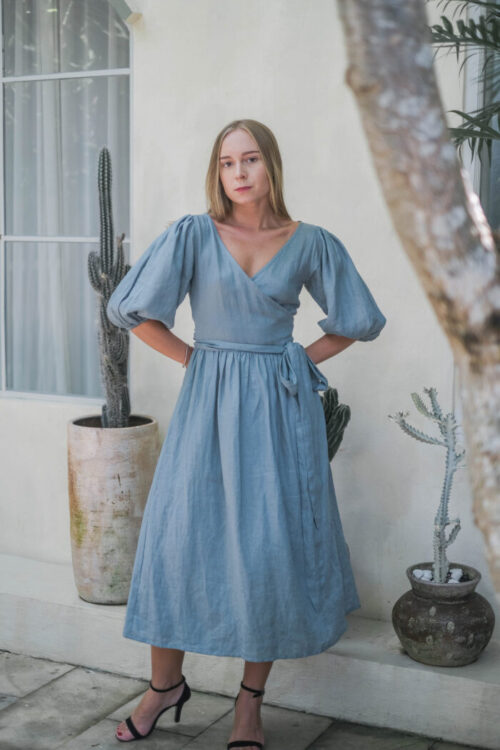
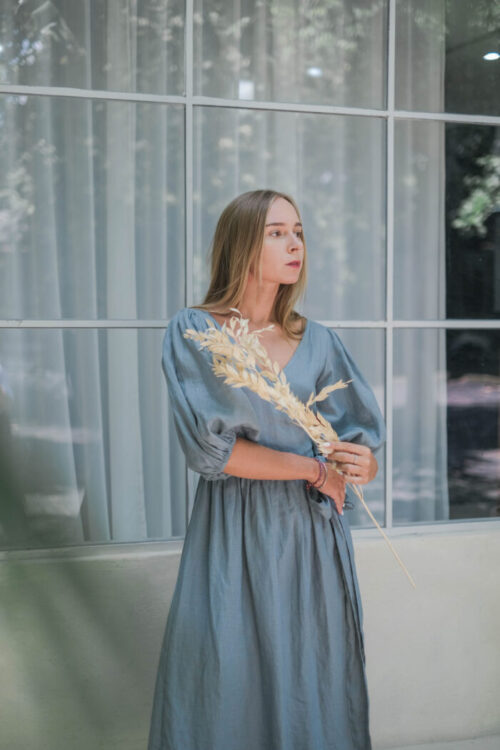
It has a natural texture and a more relaxed appearance, and people often choose it for warm-weather clothing because it feels light and breathable.
You will often see linen used for shirts, dresses, trousers, resort wear, and other garments designed for hot climates.
One thing people like about linen is that the texture becomes part of the look. You do not have to make it perfectly smooth for it to look good. In fact, the slightly natural, lived-in appearance is often part of why people choose it.
Megaya offers linen fabrics, including linen cotton and linen rayon options.
Linen can work especially well when you want a garment to feel relaxed and natural rather than polished or heavily structured.
3. Rayon
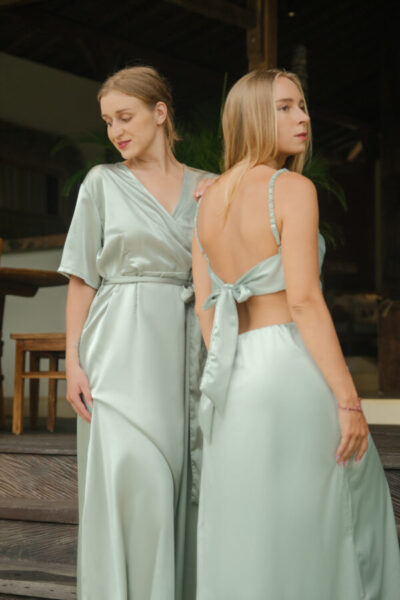
Rayon is often chosen when you want something soft, comfortable, and easy to drape.
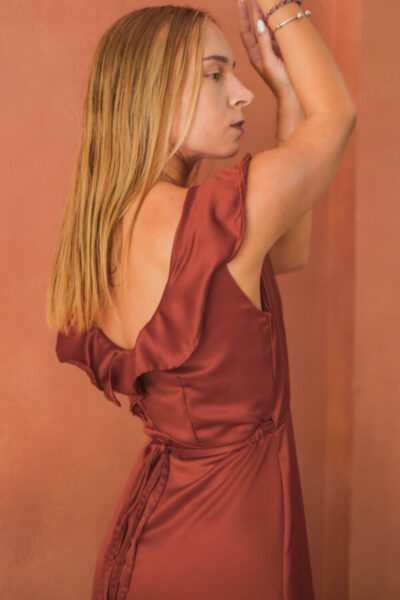
Instead of holding a firm shape, rayon tends to fall more naturally around the body. That makes it a popular choice for dresses, blouses, wide-leg trousers, and other garments where movement matters.
Think about a loose dress that moves when you walk or a pair of wide trousers that falls away from the body. A fabric with a softer drape can help create that look.
Rayon can also take color well, which makes it useful when you want stronger or richer colors in the finished garment.
Megaya offers several rayon fabrics, including rayon linen and rayon satin spandex.
Keep in mind that “rayon” doesn’t tell you everything about the fabric. Different constructions and blends can still give you very different results.
4. Viscose
Viscose is actually a type of rayon, so you may see the two terms used together.
Like rayon, viscose is known for its soft feel and flowing drape. It can work well when you want a garment to move rather than hold a stiff shape.
The difference you notice will often come from the specific fabric rather than the word “viscose” on its own. A viscose satin can have a smoother and more polished appearance, while a viscose crepe can have more texture and a different feel.
That makes viscose useful for dresses, skirts, blouses, and resort clothing.
Megaya has several viscose fabrics, including viscose satin spandex, viscose crepe, viscose georgette, viscose marble, and viscose satin crepe spandex.
When choosing viscose, look at the actual fabric rather than relying on the fibre name alone.
Which Fabric Works Best for Different Garments?
There is no single fabric that works best for everything. Start with the garment and think about how you want it to look and feel when someone wears it.
For T-shirts and everyday basics, cotton is often a practical choice. It is familiar, easy to wear, and available in many different constructions.
For relaxed shirts, summer dresses, and resort wear, linen can work well when you want something light, breathable, and naturally textured.
For flowing dresses, skirts, loose trousers, and blouses, rayon and viscose can be a better fit when you want softer drape and more movement.
But even within the same fabric group, the result can change a lot. Cotton jersey does not behave like cotton poplin. A lightweight rayon does not feel the same as a heavier rayon blend.
That is why it helps to choose the garment first and the fabric second.
What Should You Look at Before Choosing a Fabric?
Once you have an idea of the garment, start looking at the details of the fabric itself.
Think about the weight first. A lightweight fabric may work well for a loose summer dress, but it may not give you enough structure for a tailored shirt.
Then look at the drape. Does the fabric fall softly, or does it hold its shape? This can completely change how a dress, skirt, or pair of trousers looks.
Stretch matters too, especially for fitted garments, activewear, or anything that needs to move with the body.
Then there is texture. Linen has a noticeably natural surface, while some cottons have a much smoother finish. Some viscose fabrics can also have a soft, slightly glossy appearance.
Finally, think about where people will wear the garment. Fabric that feels comfortable in a hot Bali climate may not be the first choice for a colder market.
These details usually tell you much more than the fibre name alone.
What If You Cannot Find the Fabric You Want?
Sometimes the problem is not knowing which fabric you want. You already know. You just cannot find the right one.
Maybe you found the right composition but the color is wrong. Maybe you like the texture and weight but need a slightly different finish. Or perhaps you already have a fabric sample and want to find something similar for production.
That is where fabric sourcing can become useful.
With Megaya’s Fabric Sourcing service, you can share requirements such as composition, color, texture, weight, or a reference sample. You can also provide your own fabric when you already have the material you want to use.
This can save you from changing the garment simply because the first fabric you found was not quite right.
Do You Need the Same Fabric for Every Garment?
Not necessarily.
Using different fabrics can actually make a collection more interesting, especially when each material suits the garment it goes into.
For example, a resort collection could use linen for relaxed shirts and trousers, cotton for T-shirts and casual pieces, and rayon or viscose for dresses and skirts.
The fabrics don’t have to be identical. They just need to work together.
Color can help tie them together, but so can texture, weight, and the overall look of the garments.
The main thing is to avoid choosing a fabric just because you used it for another item in the collection. A material that works perfectly for one garment may not give you the same result on another.
Check the Fabric Before Production
Photos can only tell you so much.
Before you commit to a fabric, ask for a sample and actually look at it. Feel the surface. Check the weight. See how much it stretches. Hold it up and see how it falls.
This matters even more when you are choosing between fabrics that look similar on a screen.
For example, you might put cotton, linen, rayon, and viscose samples next to each other and immediately notice that they have completely different textures and drape.
Try folding the fabric, moving it around, or holding it against the body if the fit and drape matter to the design.
A fabric sample will not answer every production question, but it gives you a much clearer idea of what you are working with before the garment goes into production.
FAQ
Not necessarily. Cotton can be a versatile choice for everyday clothing, while linen can work well when you want a lighter, more breathable fabric with a natural texture.
Viscose is a type of rayon. You will often see the terms used together, but the actual fabric can still vary depending on its construction and blend.
Cotton and linen can both work well in hot weather, while lightweight rayon and viscose can also be good options when you want softer, more flowing clothing.
Rayon and viscose are often good choices for flowy dresses because they tend to drape well and move with the body.
Yes. Megaya’s Fabric Sourcing service lets you share your fabric requirements or a reference sample, and you can also provide your own fabric for production.
Final Thoughts
Cotton, linen, rayon, and viscose can all be used for clothing, but they don’t give you the same result. Some fabrics feel softer, some have more texture, and some fall more loosely when you wear them.
Cotton can be a versatile choice for everyday pieces, while linen works well when you want something light and breathable with a more natural texture. Rayon and viscose can work well for dresses, skirts, and other garments that need a softer, more flowing shape.
Start with the garment you want to make, then look at the fabric’s weight, texture, stretch, and how it falls on the body. A fabric that works well for one style may not give you the result you want for another.
Still looking for the right material? Explore Megaya’s garment production services alongside its fabric sourcing options to see what else is available for your project.
Have a specific garment or fabric in mind? Get in touch with Megaya to discuss your requirements.