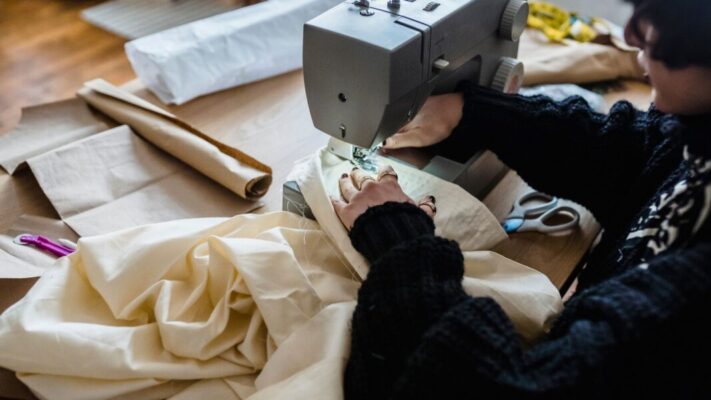
Bali’s sustainable fashion movement thrives on collaboration. By bringing together local artisans, designers, and small-scale manufacturers, the island has created a unique ecosystem where creativity and ethical practices intersect. These partnerships foster knowledge sharing, skill development, and innovation, allowing designers to explore eco-friendly techniques while supporting traditional craftsmanship. Collaborating with local communities ensures that sustainability is not just a concept, but a lived practice, where each garment reflects cultural heritage, environmental responsibility, and social accountability.
Preserving Traditional Techniques
Local collaboration enables designers to integrate centuries-old Balinese textile techniques into contemporary fashion. Weaving, hand-dyeing, and natural embroidery methods are preserved and adapted through partnerships with skilled artisans, ensuring that cultural knowledge is maintained for future generations. By combining these traditional methods with modern sustainable fabrics like linen, bamboo, and organic cotton, designers can create clothing that is both environmentally responsible and culturally authentic. This approach enhances the uniqueness and storytelling of each piece while promoting the long-term survival of artisanal skills.
Encouraging Eco-Conscious Innovation
Working closely with local workshops encourages innovation in sustainable design. Artisans and designers collaborate to optimize fabric usage, experiment with natural dyes, and develop zero-waste patterns. This hands-on experimentation allows for practical solutions to environmental challenges, such as minimizing water and energy consumption or repurposing material scraps. Local knowledge of natural resources, combined with creative experimentation, produces garments that are not only stylish but also aligned with the principles of ethical and eco-friendly fashion.
Supporting Economic Sustainability
Collaboration with local producers strengthens the island’s economy by creating employment opportunities, fair wages, and long-term professional development for artisans. Small-scale workshops and family-run factories benefit from consistent partnerships with designers, ensuring financial stability and encouraging responsible business practices. This economic sustainability reinforces the environmental goals of eco-fashion, creating a holistic model where ethical, social, and ecological factors reinforce one another.
Promoting Cultural and Environmental Awareness
Through collaborative projects, designers and consumers alike gain deeper insight into Balinese culture and sustainable practices. Educational initiatives, workshops, and public campaigns showcase the value of local craftsmanship and the environmental benefits of natural fabrics and mindful production. By participating in these collaborations, both producers and buyers develop a greater appreciation for the interconnectedness of culture, community, and environmental stewardship, fostering a more conscious and engaged fashion ecosystem.
Expanding Global Reach
Local collaboration in Bali does not remain confined to the island; it often extends to global markets. Designers who partner with artisans can produce high-quality, sustainable collections for international clients while preserving ethical standards and cultural integrity. This global exposure elevates Bali’s reputation as a hub for conscious fashion and provides artisans with broader recognition and opportunities, allowing sustainable design to thrive on both local and international scales.
In Bali, local collaboration is more than a practical strategy it is the foundation of sustainable design. By uniting artisans, designers, and eco-conscious practices, these partnerships preserve cultural heritage, reduce environmental impact, and empower communities. Each collaborative project strengthens the island’s commitment to ethical fashion, proving that sustainability is not only achievable but also enriched when creative forces work together. In this way, Bali serves as a model for how local collaboration can drive innovation, responsibility, and lasting impact in the fashion industry.