Creating a kidswear collection is not only about coming up with cute designs.
The clothes need to suit the children who will wear them, but they also need to make sense for the parents buying them. A T-shirt that looks good in a sketch still needs to feel comfortable, fit properly, and hold up to regular use.
There are also many decisions to make before a collection is ready for production. You need to define the age group, decide which products belong in the collection, choose suitable fabrics, work out the sizing, and test the garments through sampling.
If you’re building a kidswear line for your clothing brand, having a clear process can make those decisions easier.
Here are some of the main things to consider when developing a kidswear collection.
What You Need to Get Started
Building a kidswear collection starts with a few important decisions. Before you get into the actual designs, you need to know who you’re making the clothes for, how they will be used, and what you want the collection to include. From there, you can work through the sizing, fabrics, design details, sampling, and production.
1. Start With the Age Group
Kidswear covers a wide range of ages, so the first thing to define is who you’re designing for.
Clothing for a baby or toddler will have different requirements from clothing for a child who is already in school. Their proportions, movement, daily activities, and clothing needs can all be different.
Think about whether your collection is intended for:
- Babies and toddlers
- Preschool children
- Younger school-age children
- Older children
You don’t necessarily have to cover a large age range.
Starting with one specific group can make it easier to develop the collection and create a consistent size range.
The age group can also influence the way you approach the garments. Younger children may need simpler openings and comfortable fits, while older children may give you more flexibility with styling and construction.
Defining this early gives you a clearer direction for the rest of the collection.
2. Decide What the Clothes Are For
After choosing the age group, think about when and where children will wear the clothes.
Are you making clothes for everyday use, school, holidays, special occasions, or something more specific?
This matters because different types of clothing have different requirements.
For example, everyday kidswear should be comfortable enough to wear for several hours and easy to wash. Holiday clothing may need to be lightweight and easy to pack. Clothes for special occasions may focus more on the design and overall appearance.
Think about what the child will be doing while wearing the clothes too. Will they be playing, sitting at school, running around, or attending an event?
These questions can help you decide the right fit, fabric, and design details for each garment.
It’s also worth thinking about the parents who will buy the clothes. They may look for pieces that are easy to put on, comfortable for their children, and simple to care for.
Knowing what the clothes are for gives you a clearer direction before you start developing the designs.
3. Choose the Garments You Want to Make
Once you know who you’re designing for and how the clothes will be used, you can decide which garments to include.
You could start with basic pieces such as T-shirts, shorts, pants, dresses, or jackets. The number of styles is up to you, but each piece should have a clear place in the collection.
For example, a small collection could include:
- Two T-shirts
- One pair of shorts
- One pair of pants
- One dress
- One lightweight jacket
Think about how the pieces will work together. Can customers mix and match them? Do they have a similar style? Do they give enough variety without making the collection too large?
You don’t need to create a large number of products to make a complete collection. A smaller group of well-planned garments can give you a clearer starting point.
Megaya‘s Kids Wear range includes T-shirts, jackets, pants, and dresses, which are some of the common garment types you can consider for a kidswear collection.
4. Plan the Sizes You Want to Offer
After deciding which garments you want to make, work out the sizes you want to offer.
Start by choosing the age or size range for your collection. Then decide which measurements you will use for each size.
Age labels such as “2T,” “4T,” or “6 years” can give customers a general idea of the size, but they don’t always tell you the actual measurements of the garment. A clear size chart gives you and your manufacturer something more specific to work with.
Depending on the garment, you may need measurements such as:
- Chest
- Waist
- Hip
- Shoulder
- Sleeve length
- Body length
- Inseam
- Garment length
You don’t need to use every measurement for every garment. A dress will have different measurements from a pair of pants, for example.
Also think about how the garment should fit. Children need enough room to move, so the finished garment shouldn’t simply copy the child’s body measurements.
Having your size range and measurements ready before sampling makes it easier to develop the garments correctly.
5. Choose Fabrics That Suit the Garment
With the products and sizes planned, you can start looking at fabrics.
The fabric you choose should work for the garment and the way it will be worn. For kidswear, comfort is important, but you should also think about how the fabric will hold up to regular use and washing.
Depending on the product, you may want to consider:
- Softness
- Breathability
- Weight
- Stretch
- Durability
- Ease of care
- Drape
- How well it works with the design
For example, a soft and lightweight fabric may work well for an everyday T-shirt, while a jacket may need something with more structure.
Megaya works with different fabrics for garment production, including cotton, bamboo, linen, viscose, and other options.
If you already know which fabric you want, you can share it with your manufacturer. If you’re still deciding, you can start with the requirements of the garment and discuss suitable options with them.
6. Work Out the Details of Each Garment
Once you have the main designs in mind, look at the smaller details.
These details can affect how easy the clothes are to wear and how well they work for children.
For example, think about:
- How the garment will be opened and closed
- Whether it is easy to put on
- How the waistband should fit
- Where pockets should be placed
- Whether you need buttons, snaps, or zippers
- Where labels should go
- Which trims or finishing details you want to use
Think about these details from the child’s and parent’s point of view.
A pocket may look good on a sketch but be difficult for a young child to reach. A waistband may look fine but feel uncomfortable when the child sits or moves around.
Working through these details before sampling gives you a better chance of finding problems early.
7. Give the Manufacturer Clear Information
At this point, you need to make sure your manufacturer understands what you want to produce.
You can provide sketches, reference images, measurements, fabric details, color references, or a tech pack if you have one.
For each garment, make the important information as clear as possible. This may include:
- Garment measurements
- Fabric type
- Color
- Construction details
- Print or embroidery placement
- Label position
- Closures
- Finishing details
You don’t need to know every technical term to explain your idea.
The goal is simply to give the manufacturer enough information to understand the garment and develop it according to your requirements.
If you need help discussing your product requirements, Megaya also offers Product Consultation for brands developing their garments.
8. Develop a Sample Before Production
Before making the full order, you need to see what your designs look like as actual garments.
That’s what the sample is for.
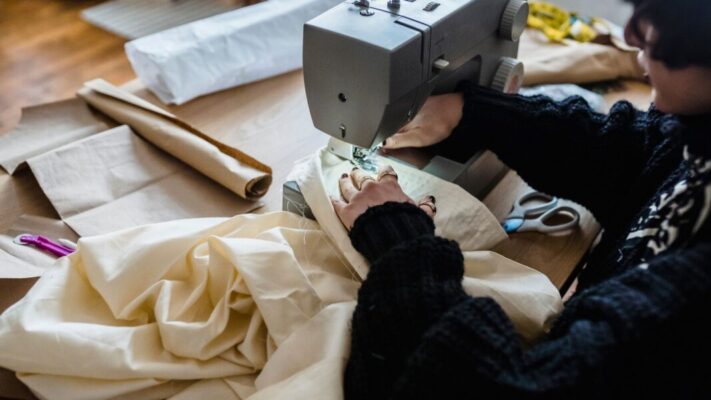
A sample lets you check things that are difficult to judge from a sketch or reference image. You can see how the fabric feels, how the garment fits, and whether the proportions and details look right.
For kidswear, pay attention to how the garment works when it is being worn.
Can the child sit comfortably? Can they raise their arms? Can they walk and play without feeling restricted? Is the garment easy for a parent to put on?
Also check the stitching, fabric, and overall appearance.
If something isn’t right, note the specific change you want to make. The sample stage gives you a chance to fix those issues before moving into production.
9. Check How the Pieces Work Together
After looking at the individual samples, take some time to look at the collection together.
This helps you see whether the products feel like part of the same brand.
Look at the colors, fabrics, shapes, and overall style. Think about whether the pieces can be worn together and whether the collection has enough variety.
For example, if you have several tops, do you have enough bottoms that can be paired with them? If most of the garments use similar colors, is there enough variation to keep the collection interesting?
You may also find that one garment doesn’t fit the direction of the collection anymore.
It’s better to make that decision during development than after the garments have already gone into production.
10. Get Everything Ready for Production
Once you’re happy with the samples, it’s time to finalize the collection.
Go through the approved version of each garment and make sure the details are correct, including:
- Measurements
- Fabrics
- Colors
- Construction
- Branding
- Labels
- Prints or embroidery
- Packaging requirements
You should also confirm how many pieces you want for each style and size.
At this stage, everyone involved should be working from the same final information. If you need to make major changes, it’s better to do so before production begins.
Megaya’s garment manufacturing process includes product development and sampling before the garments move into production, giving brands the opportunity to review and adjust their products along the way.
How Many Styles Should You Start With?
You don’t need a large number of styles to launch a kidswear collection.
Starting with fewer products can make the development process easier, especially if this is your first collection. You’ll have fewer designs, sizes, fabrics, and samples to manage at the same time.
You could start with a simple mix such as:
- A few everyday tops
- One or two bottoms
- A statement piece
- A lightweight outer layer
The exact number depends on your brand and what you want to offer.
The important thing is that the garments work together and give customers a clear idea of what your brand is about.
Once the first collection is established, you can use customer feedback and sales data to decide which products are worth developing further.
What Should You Prepare Before Contacting a Manufacturer?
You don’t need a finished tech pack or a complete collection to start a conversation with a garment manufacturer.
However, the more clearly you can explain your idea, the easier it will be to discuss the project.
Try to prepare:
- The type of kidswear you want to make
- Your target age group
- Design references or sketches
- Your preferred fabrics
- Your size range
- Estimated production quantity
- Branding requirements
- Any special construction details
If some of these are still undecided, that’s fine.
A manufacturer can discuss the options with you and explain what information is needed before sampling.
How Much Does It Cost to Make Kidswear?
The cost of producing kidswear depends on the specific garments and production requirements.
Fabric, construction, design details, quantity, branding, and packaging can all affect the final cost.
A simple cotton T-shirt, for example, will have different production requirements from a lined jacket with multiple panels and closures.
The number of styles and sizes also affects the development process.
Instead of looking for a single price for “kidswear manufacturing,” it is more useful to prepare the details of your collection and request a quote based on the actual products you want to make.
Give Yourself Time for Development
Building a collection takes more time than simply sending a design to a factory.
You may need to source fabric, develop patterns, make samples, check measurements, adjust the fit, and review the updated version.
Some garments may need more changes than others.
It’s better to leave enough time for this process rather than planning production around the assumption that the first sample will be perfect.
The goal is not to make the process longer than necessary.
It’s to give yourself enough room to make the right changes before your garments are produced in larger quantities.
FAQ
Start by defining your target age group and the purpose of the clothing. Then decide on your products, size range, fabrics, design details, and production requirements.
Megaya manufactures different types of kidswear, including T-shirts, jackets, pants, and dresses. You can also discuss your own designs, fabric preferences, and production requirements with the team.
It depends on the garment and how it will be used. Comfort, breathability, weight, durability, stretch, and ease of care are some of the factors to consider when choosing a fabric. Megaya can also help you discuss fabric options based on the type of garment you want to produce.
A sample allows you to check the actual garment before production. You can review the fit, fabric, measurements, construction, and details and make changes before approving the final version. Megaya develops samples as part of the garment development process.
Yes. You can start with a smaller number of styles and expand the collection as your brand develops. The right production quantity depends on your products, budget, and business plans. You can discuss your requirements with Megaya to plan a collection that fits your needs.
Final Thoughts
Building a kidswear collection starts with understanding the children you’re designing for.
From there, you can decide what products belong in the collection, establish the size range, choose fabrics, and work through the details that make each garment practical to wear.
The sampling stage gives you a chance to test those decisions before committing to production. You can adjust the fit, change details, and make sure the collection works as a whole.
You don’t need to create a huge collection from the beginning.
Start with a clear product direction, develop the garments carefully, and build the collection from there.
If you’re looking for a garment manufacturer in Bali to develop your kidswear collection, explore Megaya and discuss your requirements with our team.