Starting a sustainable babywear brand in Bali begins with a clear commitment to eco-conscious and ethical practices. Parents and consumers today increasingly value clothing that is safe for delicate infant skin, environmentally responsible, and ethically produced. This awareness sets the foundation for a brand that prioritizes quality, comfort, and sustainability from the very first design concept. Sustainability in babywear encompasses several key aspects: using natural, organic, or low-impact fabrics; minimizing waste during production; employing ethical labor practices; and creating garments that are durable and long-lasting. By embedding these principles into the brand’s mission, emerging babywear labels can differentiate themselves in a growing market that values conscious consumption. The first step in developing a sustainable babywear line is careful design planning. Consider the types of garments parents need: rompers, onesies, sleepers, or co-ord sets and how to make them both practical and gentle on sensitive skin. Choosing soft, breathable fabrics such as bamboo, organic cotton, or linen ensures that the clothing feels comfortable, hypoallergenic, and suitable for tropical climates. Designers should also prioritize functionality. Features like snap closures, envelope necklines, soft elastic waistbands, and smooth seams make dressing and diaper changes easy while supporting unrestricted movement for babies. By combining thoughtful design with sustainable materials, brands can create garments that parents trust and babies love to wear.
Sourcing Ethical and Sustainable Fabrics
Fabric selection is central to sustainable babywear. Bali offers access to organic cotton, bamboo, linen, and eco-friendly blends that meet both environmental and quality standards. Working with reputable suppliers ensures fabrics are certified, non-toxic, and processed with minimal impact on the environment. Brands should consider the entire supply chain from fiber cultivation to dyeing methods. Low-impact dyes and natural washing processes preserve softness, color, and breathability while reducing chemical exposure. Choosing fabrics that are durable and soft ensures long-lasting clothing that is gentle on babies’ skin, supporting sustainability by reducing the need for frequent replacement. A sustainable babywear brand in Bali thrives by collaborating with ethical manufacturers who understand both infant needs and sustainability standards. These manufacturers often specialize in small-batch production, allowing brands to maintain control over quality, reduce waste, and experiment with designs without overproducing. Ethical production also emphasizes fair labor practices. Skilled artisans and workers are paid fair wages, provided safe working conditions, and respected for their craftsmanship. This approach not only results in superior-quality baby clothing but also strengthens the brand’s values, ensuring social responsibility is built into every garment.
Small-Batch Production and Quality Control
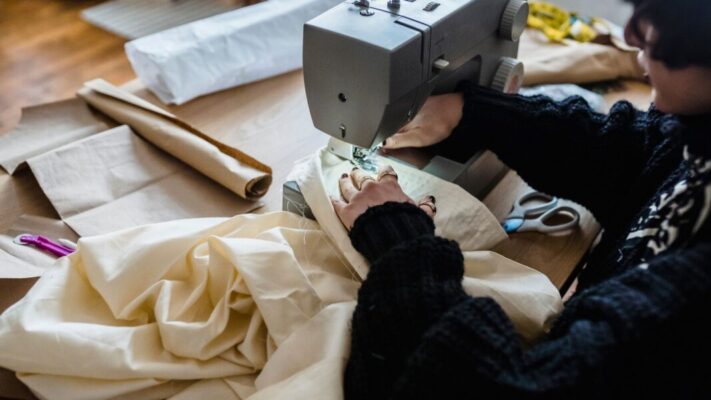
Small-batch production is essential for sustainable babywear brands. It allows for close quality control, ensuring each garment meets standards for softness, stitching, safety, and fit. Every romper, onesie, or sleeper is carefully inspected, minimizing defects and ensuring garments are suitable for delicate baby skin. This method also supports responsible inventory management, helping brands avoid overproduction, reduce waste, and maintain flexibility to adjust designs or quantities based on customer feedback. Small-batch production aligns with slow fashion principles, emphasizing thoughtful creation over mass manufacturing. Launching a sustainable babywear brand in Bali also involves branding and marketing strategies that communicate the company’s values. Highlighting the use of organic fabrics, ethical labor, eco-friendly processes, and durable designs helps attract parents who prioritize conscious consumption. Engaging storytelling about the brand’s production process, collaboration with local artisans, and commitment to environmental stewardship builds trust and loyalty with consumers. Visuals showcasing soft bamboo rompers, linen sets, and organic cotton sleepers can illustrate both quality and care, helping the brand stand out in a competitive market.
Launching and Scaling Responsibly
After initial production, brands can begin distributing their babywear through online platforms, boutique stores, or sustainable marketplaces. Feedback from customers informs adjustments to sizing, design, or materials, ensuring continuous improvement while maintaining sustainability standards. As the brand grows, scaling should remain mindful of ethical and environmental considerations. This means carefully planning production increases, sourcing fabrics responsibly, and maintaining relationships with ethical manufacturers who uphold the same values. Sustainable growth ensures the brand remains true to its mission while expanding its reach to new families. Starting a sustainable babywear brand in Bali combines creativity, responsibility, and social consciousness. By focusing on safe fabrics, ethical production, thoughtful design, and small-batch quality, brands can create baby clothing that is gentle on infants, kind to the environment, and socially responsible. Bali offers a unique environment for such brands access to skilled artisans, eco-friendly fabrics, and a culture that values craftsmanship and sustainability. By leveraging these resources, a babywear brand can offer high-quality, conscious clothing while contributing positively to both the local community and the global market of ethical fashion.