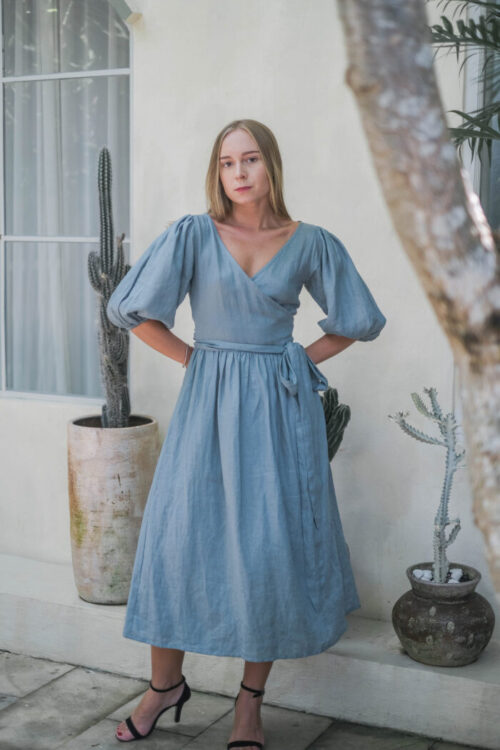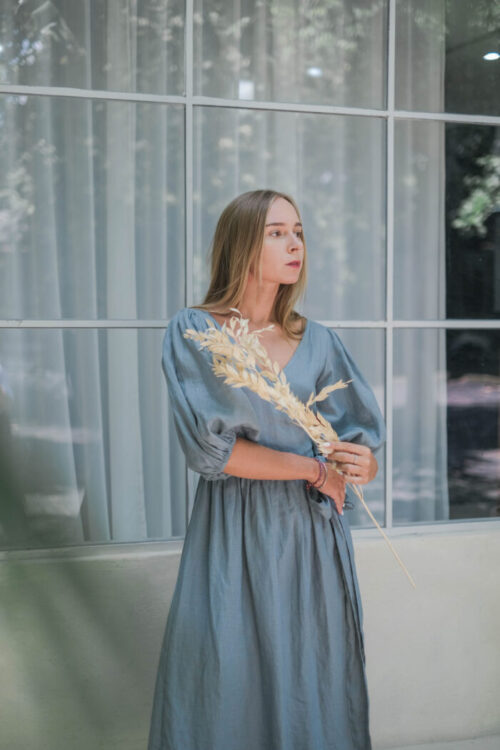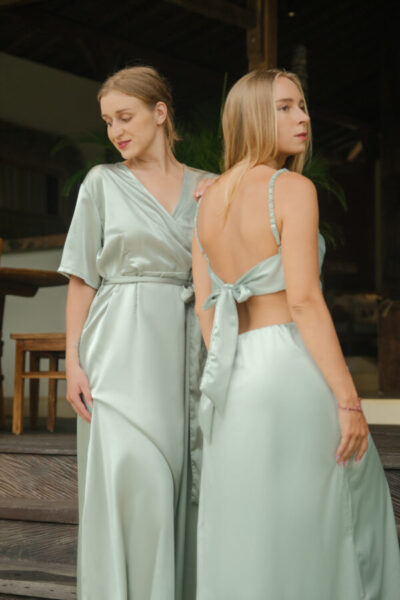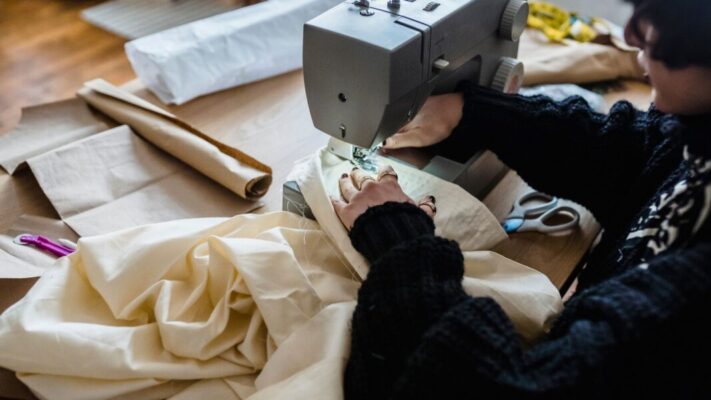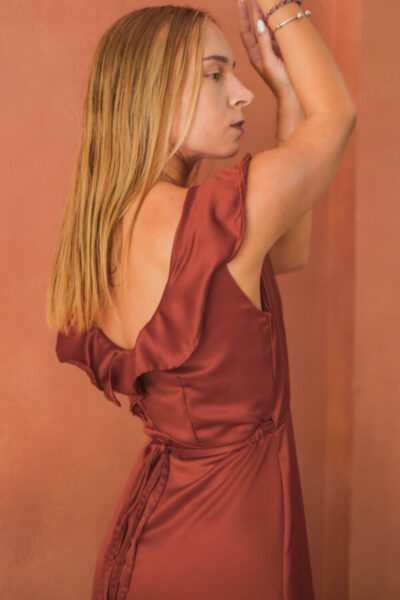
At the heart of women’s fashion lies craftsmanship, the care, skill, and intention behind every garment. In Bali, handmade women’s clothing reflects a deep respect for the creative process and the people involved in it. Rather than relying on automated mass production, fashion here is shaped by human hands, where each stage from pattern making and fabric cutting to stitching and final finishing is carried out with patience and precision. This hands-on approach allows artisans to respond intuitively to the fabric and design, resulting in garments that feel personal, well-considered, and rich in character.
Artistry Rooted in Tradition
Balinese artisans bring generations of textile and garment-making knowledge into modern women’s fashion. Traditional values such as balance, harmony, and respect for materials influence how clothing is made, even when designs are contemporary. Intricate handwork, careful construction, and a strong sense of proportion are woven into each piece. This blend of heritage and modern design creates clothing that feels timeless rather than trend-driven, offering women garments that carry cultural depth while remaining relevant in global fashion markets.
Natural Fabrics and Slow Processes
Handmade fashion in Bali often begins with natural fibers such as linen, cotton, bamboo, and rayon, chosen for their comfort, breathability, and connection to nature. Working with these fabrics requires time and experience, as each material has unique characteristics that must be respected. Slow production processes allow artisans to handle fabrics gently, ensuring proper drape, softness, and durability. This unhurried approach results in clothing that feels effortless to wear, ages beautifully, and reflects a calmer, more mindful way of producing fashion. Unlike fast fashion, handmade women’s clothing emphasizes quality over volume. Small-batch production allows for greater attention to detail at every stage, from fabric selection to final inspection. Each garment is carefully checked for fit, stitching, and finishing, reducing the likelihood of flaws and extending the life of the piece. This focus on longevity encourages women to build wardrobes with fewer, better-quality items that can be worn repeatedly and styled in multiple ways.
Ethical Values at the Core
Handmade fashion is closely connected to ethical production values. Fair wages, reasonable working hours, and safe environments are essential parts of Bali’s garment-making culture. Artisans are respected not only as workers but as skilled professionals whose expertise shapes the final product. By supporting handmade women’s fashion, brands and consumers contribute to sustainable livelihoods and help preserve valuable skills that might otherwise be lost in industrialized fashion systems. One of the most meaningful aspects of handmade women’s clothing is the sense of individuality it offers. Subtle variations in stitching, texture, and finishing make each garment feel unique rather than identical. Custom options, small runs, and thoughtful design details allow women to feel a stronger emotional connection to what they wear. Clothing becomes more than a functional item it becomes an extension of personal style and values. The heart of women’s fashion handmade in Bali lies in its balance of artistry, comfort, and conscience. Through skilled hands, natural materials, slow processes, and ethical values, these garments represent a more intentional approach to dressing. It is fashion created to last, to be worn with ease, and to be appreciated beyond seasons offering women clothing that feels meaningful, enduring, and deeply human.