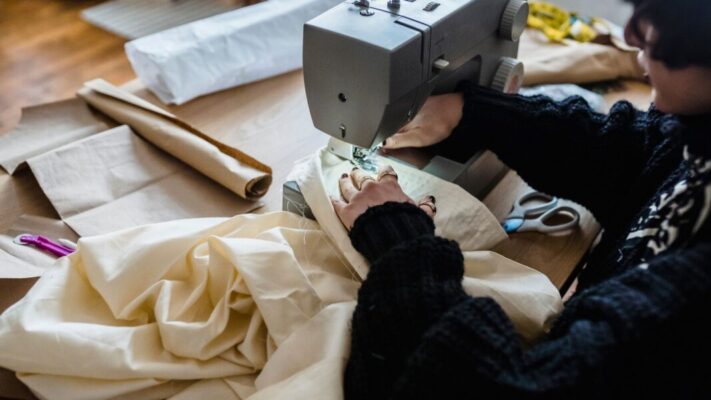
Eco-friendly baby wear production in Bali is shaped by a deep respect for nature, people, and the needs of infants. Baby clothing requires a higher level of care than most apparel, as it comes into constant contact with delicate, sensitive skin. For this reason, sustainability in baby wear production goes beyond environmental concerns; it directly supports a baby’s health, comfort, and safety. In Bali, eco-friendly production is approached holistically, combining thoughtful material choices with responsible manufacturing practices. One of the foundations of eco-friendly baby wear is the use of natural and organic fabrics. Organic cotton, bamboo, linen, and gentle plant-based blends are widely used because they are breathable, soft, and free from harmful chemicals. These fabrics help regulate a baby’s body temperature and reduce the risk of irritation or allergic reactions. By prioritizing sustainable fibers, baby wear manufacturers ensure garments are not only environmentally responsible but also suitable for everyday wear, sleep, and movement.
Low-Impact and Non-Toxic Processes
Eco-friendly baby wear production focuses on minimizing chemical use throughout the manufacturing process. Low-impact dyes, gentle washing methods, and reduced chemical finishes help keep garments safe for babies and kinder to the environment. These processes also reduce water pollution and energy consumption, supporting cleaner production systems. By carefully controlling how fabrics are treated, manufacturers create baby clothing that remains soft, safe, and durable without compromising environmental standards. Many eco-friendly baby wear manufacturers in Bali operate using small-batch or made-to-order production models. This approach significantly reduces overproduction, excess inventory, and textile waste. Producing in smaller quantities allows for closer quality control and greater attention to detail, which is especially important for baby garments. Sustainability is built into the production structure, encouraging mindful manufacturing rather than mass output.
Ethical Labor and Community Support
Eco-friendly baby wear production also prioritizes ethical labor practices. Fair wages, safe working environments, and reasonable production timelines ensure that skilled workers are treated with respect and dignity. In Bali, artisan-led manufacturing supports local communities and preserves valuable garment-making skills. Ethical labor practices align naturally with sustainable values, creating baby clothing that reflects care not only for infants, but also for the people who produce it. Sustainability in baby wear is closely tied to durability. Eco-friendly baby clothing is designed to withstand frequent washing and daily use while maintaining softness and shape. Strong stitching, gentle finishes, and thoughtful construction allow garments to last longer and be passed down or reused. This reduces the need for constant replacement and lowers the overall environmental footprint of baby clothing.
Supporting Conscious Baby Brands
Bali’s eco-friendly baby wear manufacturers often work closely with conscious brands seeking transparency and responsibility. From fabric sourcing and sampling to final production, manufacturers collaborate with brands to ensure sustainability goals are met. This partnership approach allows baby brands to offer collections that parents trust, clothing that is safe, ethical, and aligned with modern values. Eco-friendly baby wear production in Bali represents a commitment to protecting both present and future generations. By combining sustainable fabrics, ethical labor, low-impact processes, and durable design, manufacturers create baby clothing that reflects care at every level. It is an approach that supports healthy babies, responsible businesses, and a cleaner planet laying the foundation for a more thoughtful future in baby fashion.