In Bali, sustainability is not simply a trend applied to fashion, it is a reflection of everyday life and long-held cultural values. The island’s philosophy emphasizes harmony between people, nature, and community, and this mindset naturally shapes how women’s clothing is designed and produced. Sustainable fabrics are chosen not only for environmental reasons, but because they align with a lifestyle that values comfort, longevity, and respect for natural resources. This deeper connection to sustainability is why fabric choice plays such a defining role in women’s fashion.
Natural Fabrics Suited to Climate and Comfort
Women’s fashion in Bali is strongly influenced by the tropical climate, where breathability and comfort are essential. Sustainable fabrics such as linen, organic cotton, bamboo, and rayon allow airflow, absorb moisture, and feel gentle on the skin. These qualities make them ideal for dresses, tops, skirts, and relaxed silhouettes that can be worn comfortably throughout the day. Unlike synthetic materials that trap heat, natural fabrics support the body’s natural temperature regulation, making them both practical and luxurious in warm environments.
Aesthetic Beauty Through Simplicity
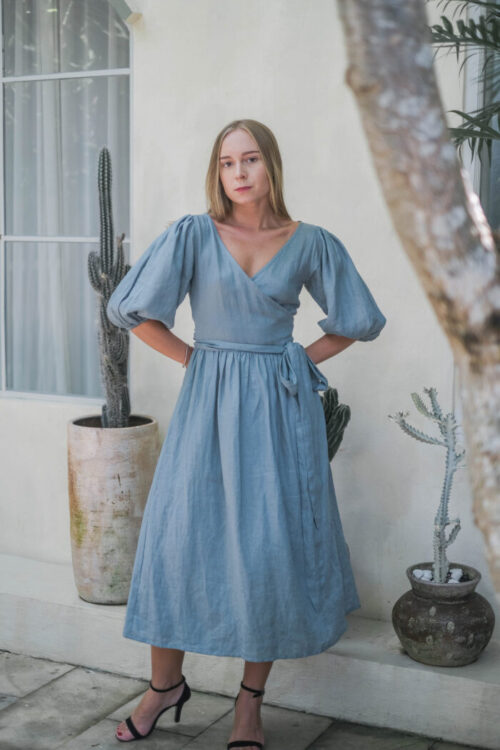
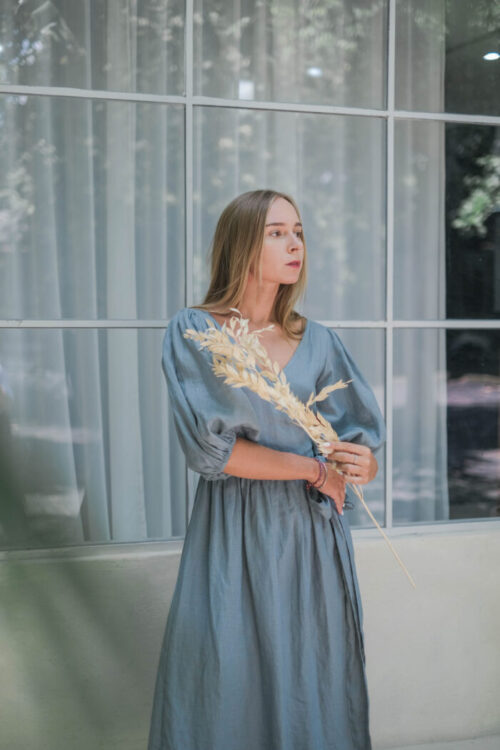
Sustainable fabrics bring a natural beauty that defines the visual identity of women’s fashion in Bali. Linen’s soft texture, bamboo’s smooth drape, and rayon’s fluid movement create garments that feel effortless and refined. These materials enhance simple silhouettes, allowing design to focus on proportion, movement, and fit rather than excessive embellishment. The result is clothing that feels elegant without being overworked, an aesthetic that resonates strongly with modern women seeking understated, timeless style.
Supporting Slow Fashion Values
The use of sustainable fabrics encourages a slower, more intentional approach to fashion. Natural materials are often paired with small-batch or made-to-order production, allowing greater attention to detail and reducing waste. Garments are designed to last, soften over time, and remain wearable across seasons. This approach stands in contrast to fast fashion cycles and supports women in building wardrobes based on quality rather than quantity. Sustainable fabrics become a foundation for fashion that values longevity and mindful consumption.
Craftsmanship Enhanced by Fabric Choice
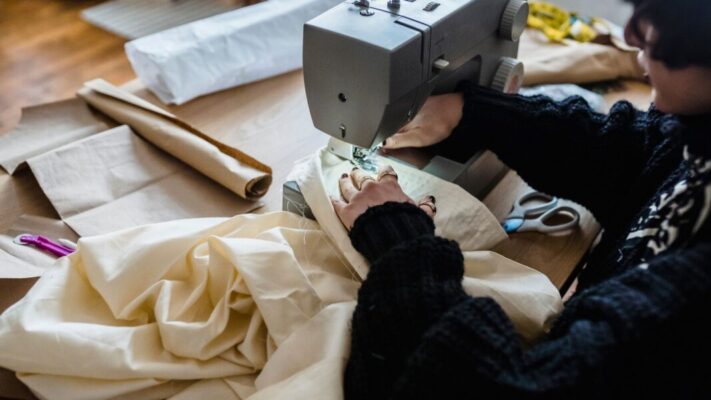
Sustainable fabrics require skill and experience to work with properly. Women’s fashion manufacturers in Bali understand how different natural fibers behave during cutting, sewing, and finishing. Linen requires precise handling to maintain structure, while rayon and bamboo demand careful stitching to preserve their drape and softness. This fabric knowledge elevates craftsmanship, resulting in garments that not only look beautiful but also feel balanced, durable, and comfortable in everyday wear. Sustainable fabrics are closely tied to ethical fashion practices. Natural fibers generally have a lower environmental impact and are often sourced from renewable resources. When combined with responsible production methods and fair labor practices, these materials support a more holistic form of sustainability. Women’s fashion in Bali reflects this interconnected approach, where care for the environment and respect for people are treated as equally important.
Meeting the Expectations of Modern Women
Today’s women are increasingly conscious of how their clothing is made. They seek transparency, comfort, and values that align with their lifestyles. Sustainable fabrics answer these expectations by offering clothing that feels good to wear and good to support. In Bali, women’s fashion responds naturally to this demand, using fabric choices that reflect authenticity, responsibility, and modern femininity. Sustainable fabrics are not an added feature in women’s fashion from Bali, they are a defining element. They shape how garments look, feel, and function, while reinforcing values of balance, simplicity, and respect for nature. By centering women’s fashion around natural materials and conscious design, Bali continues to set an example of how sustainability can form the very identity of a fashion culture, not just its future direction.