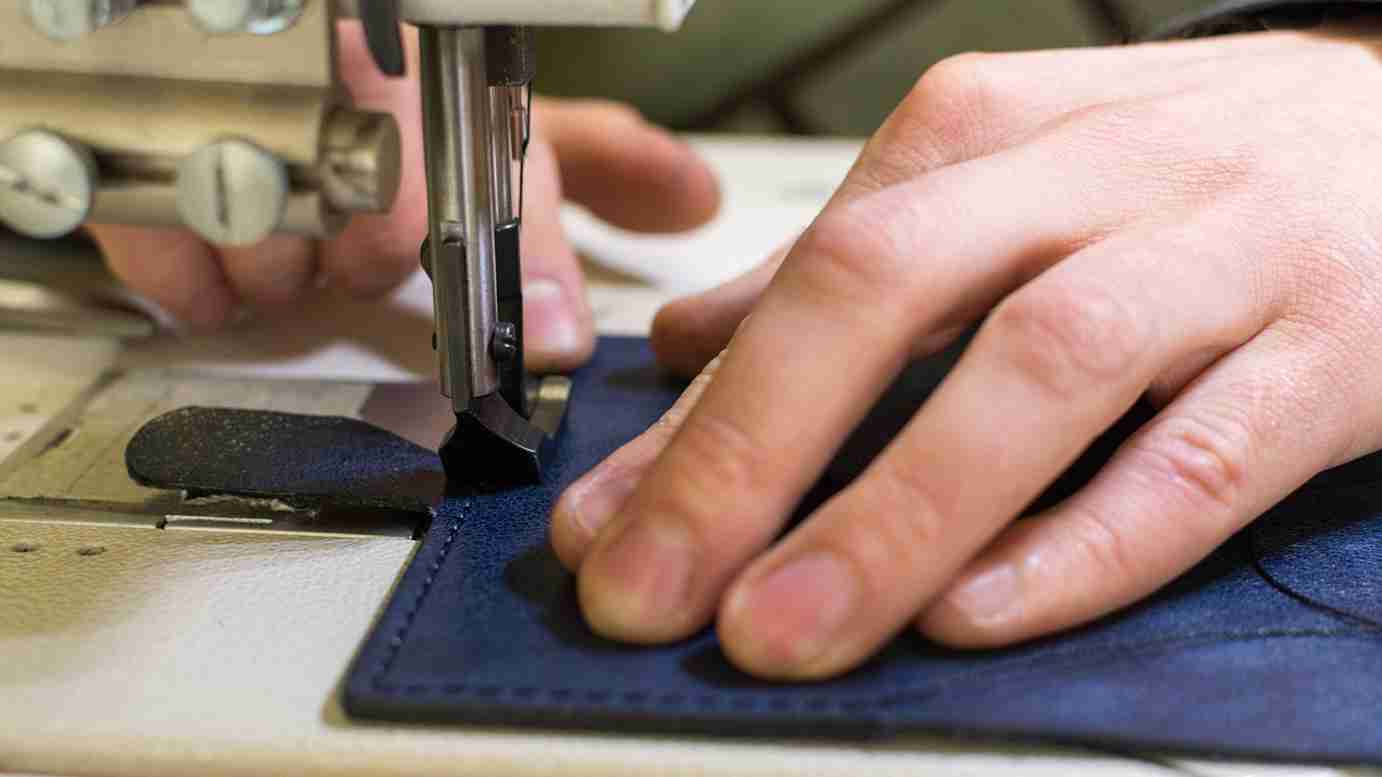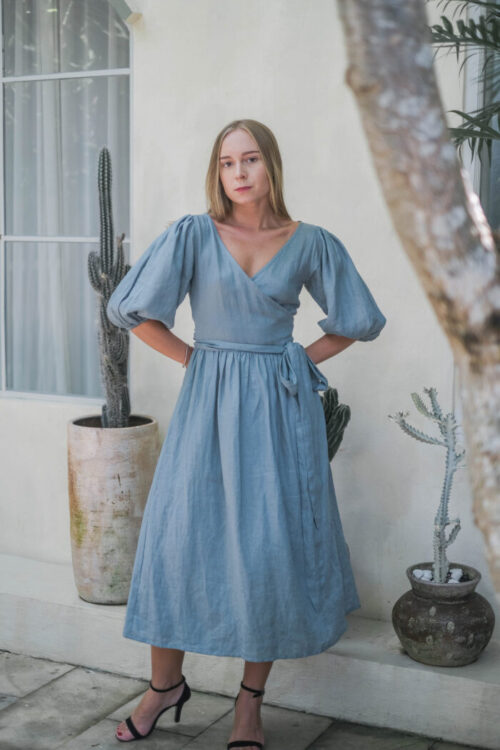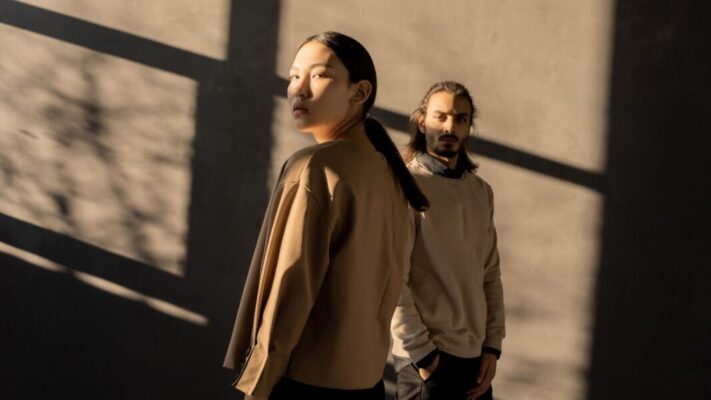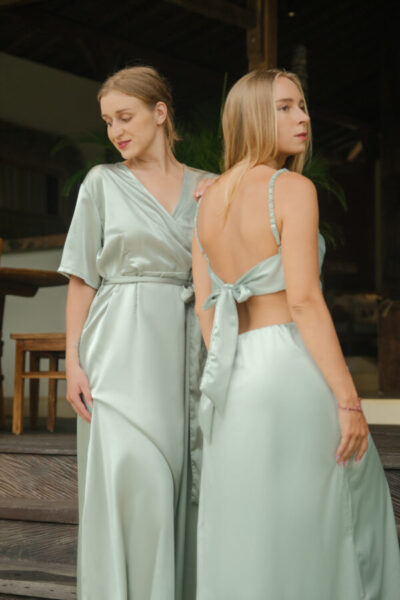
In Bali, movement is not limited to a single activity or setting. A typical day can begin with sunrise yoga, continue with cycling or gym training, and end with an afternoon surf session by the ocean. This fluid, active lifestyle strongly influences how activewear is designed on the island. Clothing must adapt effortlessly from calm, mindful movement to dynamic, high-energy activity without needing constant outfit changes. Designers who work within this environment understand that activewear is not just performance gear, but a daily uniform that supports multiple forms of movement and self-expression.
Designing for Versatility and Transition
Activewear inspired by Bali’s lifestyle must transition smoothly between activities. From yoga studios to beach paths and surf breaks, garments are expected to perform across different intensities and environments. Designers focus on versatile silhouettes that offer flexibility, stretch, and support without feeling restrictive. Pieces are often designed to look refined enough for casual wear while still functioning as technical activewear. This balance allows wearers to move freely through their day, reinforcing the idea that activewear should adapt to life, not the other way around.
Comfort as the Foundation of Performance
Comfort is the starting point of activewear design in Bali. Warm temperatures and high humidity demand fabrics and construction that allow the skin to breathe and the body to cool naturally. Designers prioritize lightweight materials, smooth seams, and ergonomic cuts that move with the body. Instead of stiff compression or heavy layering, the focus is on softness, stretch, and natural support. When comfort is built into the design, performance follows effortlessly, allowing wearers to stay focused on movement rather than adjusting their clothing.
Fabrics That Respond to Tropical Conditions
Fabric choice plays a crucial role in designing activewear for Bali’s climate. Materials must handle sweat, saltwater, sun exposure, and frequent washing while maintaining their shape and feel. Designers often select performance fabrics that dry quickly, resist odor, and remain comfortable during prolonged wear. Stretch recovery and durability are equally important, especially for activities like yoga and surfing that involve repeated movement and contact with surfaces. By testing garments in real tropical conditions, designers ensure that functionality is proven, not theoretical.
Seamless Support for Mindful Movement
Yoga and low-impact activities require activewear that supports movement without distraction. Designs emphasize smooth waistbands, balanced compression, and minimal seams to prevent irritation during stretching or prolonged poses. The goal is to create garments that feel almost invisible on the body, allowing wearers to stay connected to their breath and movement. This sensitivity to mindful practice influences activewear design across all categories, reinforcing the importance of ease and awareness in every detail.
Durability for Ocean and Outdoor Life
Surfing and outdoor activities introduce a different set of demands. Activewear must withstand saltwater, sun exposure, and friction while maintaining comfort and structure. Designers account for these conditions through reinforced stitching, secure fits, and fabrics that retain elasticity even after repeated exposure to water. This durability ensures that garments remain reliable across environments, supporting the active, outdoor-focused lifestyle that defines Bali.
Aesthetic Simplicity With Purpose
Activewear designed for Bali often reflects a minimalist aesthetic rooted in nature. Clean lines, neutral tones, and subtle textures allow garments to feel timeless rather than trend-driven. This simplicity serves a functional purpose, as it makes pieces easier to mix, layer, and wear across different settings. Visual calm mirrors the island’s lifestyle philosophy, reinforcing the connection between movement, balance, and intentional living.
Sustainability Integrated Into Design
Designing activewear for Bali’s lifestyle also involves an awareness of environmental responsibility. Many designers and manufacturers incorporate sustainable materials, ethical production methods, and small-batch manufacturing into their process. This approach aligns with the island’s emphasis on harmony between people and nature. Activewear becomes not just a tool for physical movement, but an expression of conscious living that respects the environment in which it is worn. From yoga to surf, activewear designed in Bali reflects a lifestyle defined by movement, balance, and adaptability. By prioritizing comfort, versatility, durability, and mindful design, these garments support a wide range of activities without compromising style or function. Bali’s approach shows that activewear can be both performance-driven and deeply connected to everyday life, offering clothing that moves naturally with the body and the rhythm of the island itself.